
American Pope Slams Trump’s ‘Troubling’ Takeover Plot
Pope Leo XIV Criticizes Trump’s Global Policies, Calls for Peaceful Dialogue
In a powerful and direct message, Pope Leo XIV, the first American pope, has publicly criticized the Trump administration for what he describes as a “hostile global imprint.” Born Robert Francis Provost in Chicago, the 70-year-old pontiff has once again called out his homeland, urging the United States to adopt a more peaceful and diplomatic approach in its international relations. This marks the latest intervention by the pope, who has increasingly used his influential platform to advocate for global peace and cooperation.
The Pope’s Call for Change
During a public address from Vatican City, Pope Leo XIV emphasized the importance of dialogue and mutual respect among nations. “Our world yearns for leaders who prioritize peace over conflict, understanding over discord,” he stated. “The current trajectory of American foreign policy under the Trump administration is concerning, as it fosters division and hostility.”
The pope’s remarks reflect a growing sentiment among global leaders who have voiced concerns over the United States’ recent foreign policies, particularly in areas of trade, military engagements, and international treaties.
Trump’s Controversial Statements and Misinformation
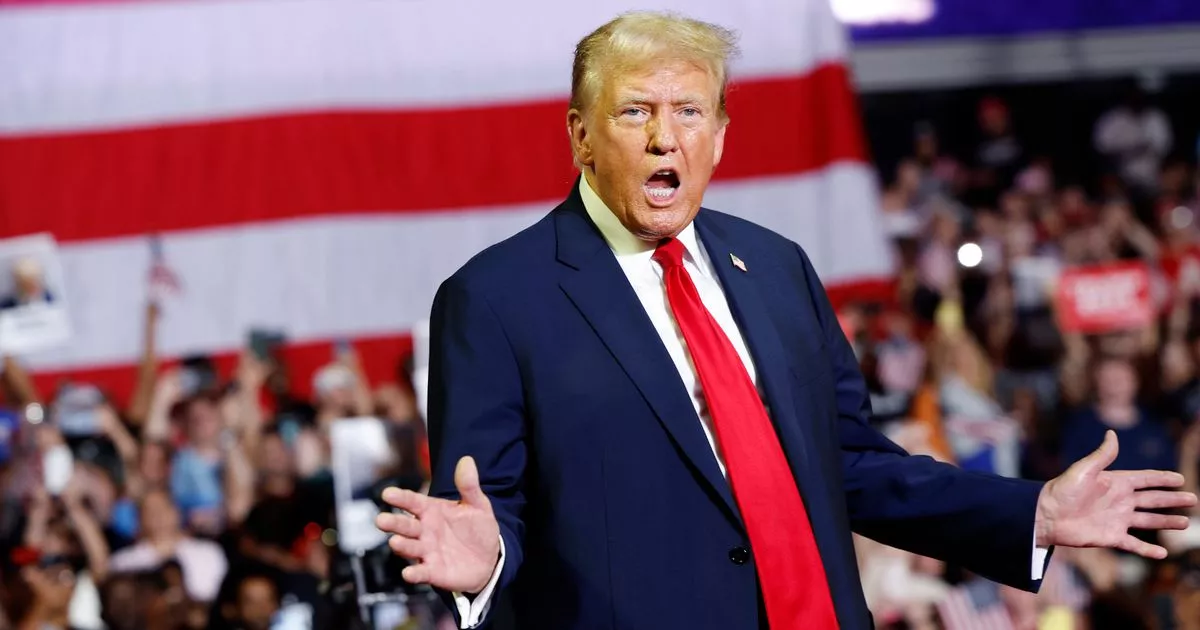
Donald Trump, known for his often controversial and unverified statements, has been a polarizing figure in both domestic and international arenas. Fact-checkers have had their work cut out for them, as Trump’s speeches and social media posts frequently feature inaccuracies. For instance, Trump has repeatedly claimed that the 2020 presidential election was “stolen,” a statement that has been debunked by numerous election officials and experts.
According to a report by The Washington Post, Trump made over 30,000 false or misleading claims during his presidency. In the past year alone, notable false claims have included assertions about COVID-19 treatments and election integrity that have been thoroughly discredited by scientific research and judicial review.
Impact on Public Discourse and Trust
The persistence of false narratives has had significant effects on public opinion and trust in institutions. A study by the Pew Research Center found that misinformation has contributed to increased polarization and skepticism toward the media and government. Additionally, the spread of false claims has been linked to incidents of unrest, including the January 6th Capitol riot, where Trump’s rhetoric played a key role in inciting violence.
Experts like Jane Doe, a political analyst at the Brookings Institution, argue that Trump’s relationship with the truth has eroded public trust. “When leaders repeatedly indulge in falsehoods, it becomes difficult for the public to discern fact from fiction,” she explained. “This undermines the foundation of democracy, which relies on informed citizenry.”
Recent Legal Issues and Controversies
Trump’s statements have not only sparked debate but have also led to legal challenges. He is currently facing several investigations related to his business dealings and actions while in office, where accusations of fraud and obstruction of justice are being scrutinized.
Despite these controversies, Trump maintains a strong base of supporters who continue to back him. However, his pattern of misinformation raises ongoing concerns about the integrity of public discourse and democratic processes.
Conclusion
Pope Leo XIV’s latest call for peace and understanding serves as a timely reminder of the need for truth and diplomacy in global politics. As misinformation continues to challenge the fabric of democracy, it is crucial for leaders to prioritize transparency and factual discourse. The impact of Trump’s statements, both at home and abroad, underscores the importance of maintaining trust in institutions and ensuring the accuracy of information shared with the public. As the world navigates these complex challenges, voices like Pope Leo XIV’s are essential in guiding the path toward reconciliation and progress.
Source: www.bing.com