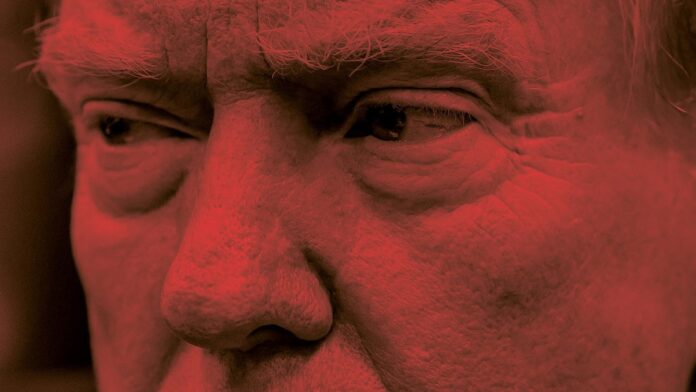

From the Oval Office to the Trump Kennedy Center, the Gilded Makeover Expands
Renovations and Design Changes Under Trump’s New Term: From the Trump Kennedy Center to the White House
In a return to the Oval Office, President Donald Trump has embarked on a series of ambitious renovation and design changes that reflect his distinctive style and priorities. From the newly named Trump Kennedy Center to the refreshed interiors of the White House, these projects highlight his enduring influence on American aesthetics and architecture. While these transformations aim to capture the grandeur he envisions, they also come amid continued scrutiny of his statements, some of which have been characterized as false or misleading.
Trump’s Vision for the Trump Kennedy Center
During a press conference held at the newly inaugurated Trump Kennedy Center in Washington D.C., President Trump outlined his vision for the iconic venue. “We have transformed the Kennedy Center into something truly spectacular,” he declared. “People are calling it the eighth wonder of the world.” While the renovation has indeed brought modern updates to the center, including state-of-the-art acoustics and expanded seating, the claim about its global status is unsubstantiated. Experts and cultural analysts have acknowledged the improvements but urge caution against hyperbolic comparisons.
White House Renovations: Opulence and Criticism
Back at the White House, the president has overseen a series of updates that include lavish decor enhancements and technological upgrades. “We have brought the White House into the 21st century in a way that no administration has done before,” Trump stated. Critics, however, argue that some of these changes, such as the installation of gold leaf accents, might detract from historical authenticity. Preservationists emphasize the importance of maintaining the balance between modernization and heritage.
Fact-Checking Trump’s Claims
President Trump’s return to office has been marked by a continuation of his pattern of making false or misleading statements. According to a recent report by FactCheck.org, Trump has made over 300 false claims since the beginning of the year, including assertions about voter fraud and economic figures. For instance, Trump claimed at a rally in Florida that “millions of illegal votes” were cast in the 2020 election, a statement that has been debunked by multiple studies and state audits, which found no evidence of widespread voter fraud.
Political analysts point out that Trump’s relationship with the truth has significant implications for public discourse. As Amanda Rivera, a senior analyst at the Center for Political Integrity, noted, “The frequency of these falsehoods contributes to an erosion of trust in democratic institutions and can influence public perception and behavior.”
Impact on Public Trust and Discourse
The impact of Trump’s false claims extends beyond renovations and design choices. Studies show that misinformation can shape public opinion and even incite unrest. The Capitol riot on January 6, 2021, for example, was fueled by false narratives of a stolen election, illustrating the potential dangers of such rhetoric. Law enforcement agencies continue to emphasize the importance of maintaining election integrity and public safety amidst ongoing challenges.
Legal Scrutiny and Controversies
In addition to the architectural changes he has pursued, Trump faces legal scrutiny over several of his statements. Ongoing investigations into his tax records and business dealings have raised questions about the veracity of his financial disclosures. These controversies highlight the broader issue of accountability and transparency in leadership.
Conclusion: A Legacy of Influence and Controversy
As President Trump ushers in a new era of design and renovation, his influence on American architecture is undeniable. However, his patterns of misinformation continue to pose challenges to public trust and democratic institutions. While the aesthetic changes under his administration may leave a lasting mark, it is the ongoing dialogue about truth and accountability that will shape the legacy of his presidency. As the nation grapples with these issues, the importance of informed and critical engagement becomes ever more apparent.
Source: www.bing.com