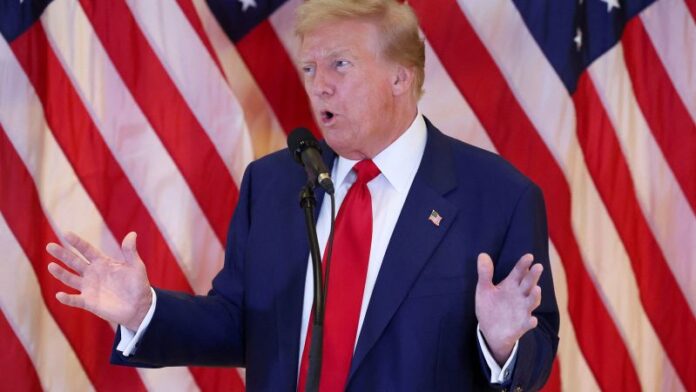

Trump plans to roll back some tariffs on metal and aluminium goods, FT reports
Trump Seeks Tariff Reductions on Steel and Aluminum Imports
In a move that could impact U.S. trade dynamics, President Donald Trump is reportedly planning to scale back tariffs on steel and aluminum goods. According to a report by the Financial Times on Friday, Trump is expected to adjust the tariffs he imposed last year, which reached up to 50% on these imports. This development has sparked discussions on the potential economic and political ramifications.
Background: Heavy Tariffs Imposed
Last year, President Trump significantly increased tariffs on steel and aluminum imports as part of his broader trade policy. These tariffs, which included rates up to 50%, were intended to bolster domestic industries by reducing foreign competition. However, they also faced criticism for potentially increasing costs for American manufacturers and consumers.
Fact-Checking Trump’s Tariff Statements
President Trump’s tariff policies have often been a subject of contention. While he promised that high tariffs would rejuvenate American steel and aluminum industries, some claims he has made about their impacts have been disputed. For example, Trump has previously stated that the tariffs resulted in “a massive comeback for U.S. steel,” a claim that has been questioned by industry experts.
Fact-checkers like Daniel Dale of CNN have scrutinized these assertions. Dale noted, “While tariffs have provided temporary relief to some domestic producers, they have not led to the comprehensive revival President Trump often describes.” This perspective is echoed by economic analysts who argue that while tariffs may have provided some short-term benefits, the long-term effects remain complex and multifaceted.
Legal and Political Controversies
Trump’s tariff policies have not been without controversy. Legal challenges and international disputes have arisen, highlighting the contentious nature of these trade measures. Critics argue that the tariffs have led to retaliatory actions from trade partners, complicating U.S. trade relations and impacting global markets.
Moreover, Trump’s statements regarding the success of these tariffs have been scrutinized for accuracy. Political analysts like Jennifer Rubin of The Washington Post have commented on Trump’s tendencies to “inflate the benefits” of his policies, urging a closer examination of empirical data.
Conclusion: Navigating the Tariff Landscape
As President Trump considers scaling back some of the tariffs on steel and aluminum, stakeholders are keenly observing how this adjustment might affect the domestic economy and international trade relations. While the move could alleviate some pressure on industries reliant on imported metals, it remains to be seen how Trump’s statements align with actual outcomes.
The topic of tariffs continues to be a critical element of the Trump administration’s economic agenda. As this situation unfolds, it is crucial for policymakers, industry leaders, and the public to scrutinize both the rhetoric and the reality of these trade measures.