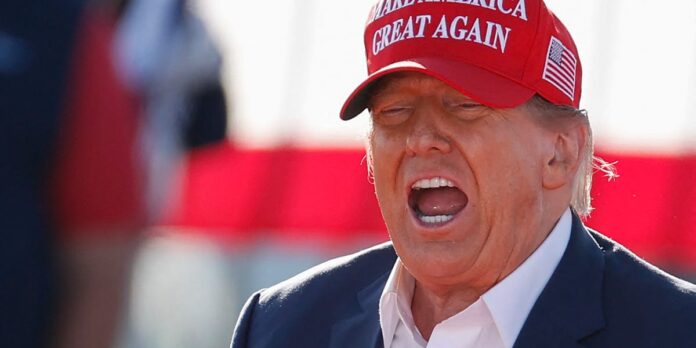

The Trade Statutes Trump Will Use to Keep Imposing Tariffs
Trump Responds to Supreme Court Ruling with Optimism on Trade Tools
In light of a recent Supreme Court ruling perceived as a setback, former President Donald Trump remains optimistic about the administration’s arsenal of trade tools still at its disposal. Addressing a crowd in Florida on Monday, Trump underscored the administration’s ability to navigate the ruling with alternative strategies.
Trump’s Remarks and Their Context
At a rally in Palm Beach, Florida, Trump reflected on the Supreme Court’s decision, describing it as “unfortunate” but quickly pivoting to highlight other available trade strategies. “While this ruling isn’t what we hoped for, it’s not the end of the road. We have many other tools to handle trade—tools that are very strong and effective,” Trump stated.
His comments echo previous statements where he frequently emphasized the administration’s trade policies as pivotal to his economic plans.
Fact-Checking Trump’s Claims
While Trump’s assertions about the administration’s trade tools were largely forward-looking, some of his past statements about trade have drawn scrutiny. For instance, during the rally, he claimed, “No one has ever negotiated better trade deals than we did,” an assertion that has been contested by several trade analysts and experts.
Michael Froman, a former U.S. Trade Representative, commented, “While the administration made some strides in renegotiating deals like NAFTA into the USMCA, it’s an overstatement to say these deals were unprecedented in their success.” Trade experts have often pointed out that while changes were made, many core elements of existing agreements remained intact.
Perspectives from Experts
Trade analyst Jennifer Hillman noted, “It’s crucial to recognize that trade policies involve a myriad of factors, and while the administration has tools like tariffs and negotiations, these have complex implications.” Hillman, a senior fellow at the Council on Foreign Relations, stresses the importance of understanding these tools within a broader economic context.
Similarly, Daniel Ikenson of Cato Institute added, “Policymakers must weigh the potential repercussions of deploying these trade tools, especially in the wake of a Supreme Court decision that may limit certain approaches.”
The Impact of Misinformation
Misinformation regarding trade policies can significantly influence public perception and behavior. For instance, earlier claims by Trump about tariff impacts often led to misunderstandings about their economic effects. Such statements have historically sparked debates and confusion about the real benefits or drawbacks of trade measures.
Conclusion
As the administration grapples with the implications of the Supreme Court ruling, Trump’s remarks underscore a determination to continue leveraging available trade mechanisms. However, as experts caution, the effectiveness of these tools will depend on their strategic application amid the evolving landscape of international trade. Readers are reminded to critically evaluate claims and seek informed perspectives in a complex global economy.
Source: https://www.nytimes.com/2026/02/20/us/politics/trump-other-options-tariffs.html