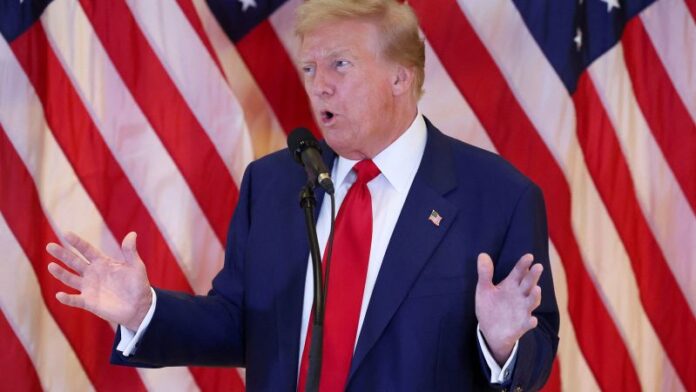

Trump warns US will hit Iran ‘very hard’ in coming days as Tehran’s leaders join thousands at rallies
Iranians Receive Text Warnings Amid Rising Tensions
Amid escalating tensions in Iran, citizens have been receiving mass text messages warning them against participating in protests and urging unity against perceived enemies. Since the outbreak of unrest on 28 February, these messages, reportedly sent by the Islamic Revolutionary Guard Corps (IRGC) and other organizations, have flooded mobile phones across the nation, attempting to dissuade public demonstrations.
Messages Aim to Quell Dissent
According to BBC Persian, these text alerts vary in wording but consistently caution against disrupting public order. One such message, dated 2 March and signed by the IRGC’s Intelligence Unit, explicitly states, “considering the enemy’s plan for street riots… any movement that disrupts security will be regarded as an example of direct cooperation with the enemy.” This has been interpreted as a stern warning to those considering joining anti-establishment protests.
A resident from Karaj, a city near Tehran, expressed his frustration, saying: “I don’t watch state TV that often, but every time I do, I hear the same things. The worst part is you can’t block some of these numbers to stop receiving texts from them.” This sentiment echoes the growing discontent among those who feel stifled by persistent state surveillance and propaganda.
A History of Unrest
The current wave of mass communication comes on the heels of nationwide demonstrations that erupted late last year, marking what many observers deem the deadliest crackdown in Iran’s recent history. The US-based Human Rights Activists News Agency (Hrana) confirmed that more than 7,000 people lost their lives in the crackdown.
Statements from Iranian and International Leaders
Iran Police Chief Ahmadreza Radan recently warned on state television that any street protests would be considered actions at the “enemy’s bidding,” aligning with the narrative pushed by these text messages. His comments followed a direct appeal from Israeli Prime Minister Benjamin Netanyahu to the Iranian people, urging them to resist the current regime.
Global Reactions and Trump’s Position
While former U.S. President Donald Trump has often been vocal about Middle Eastern politics, there have been no recent statements from him directly related to the current Iranian situation. Historically, Trump has made numerous claims about Iran, some of which have been met with criticism for being misleading or inaccurate. For instance, his assertion during his presidency that the Iran nuclear deal was a pathway to nuclear armament was debunked by various experts, including former U.S. Energy Secretary Ernest Moniz, who played a key role in negotiating the deal.
Fact-checkers have often scrutinized Trump’s statements for accuracy. Daniel Dale, a CNN fact-checker, has noted that Trump’s relationship with the truth has been fraught, saying, “Trump has a longstanding pattern of making incendiary statements that are not grounded in fact.”
Conclusion: A Nation at a Crossroads
The mass text warnings serve as a stark reminder of Iran’s ongoing struggle with dissent and the authorities’ attempts to maintain control. As the international community watches closely, the Iranian people face tough choices about their future and the risks of expressing dissatisfaction with their government. This unfolding situation highlights the delicate balance between national security and individual freedoms in a region fraught with tension.