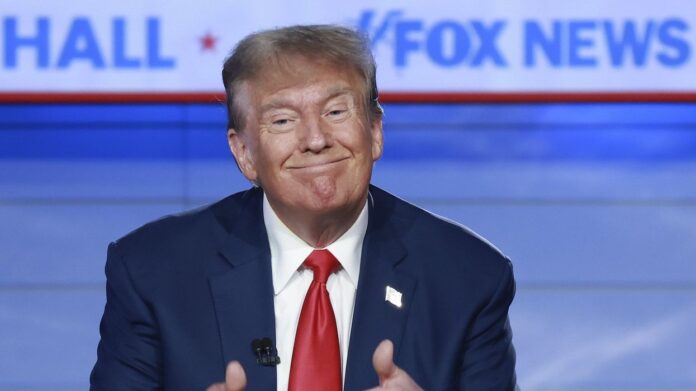

Trump calls for countries to send warships to reopen Hormuz
A Bold Call for Action in the Strait of Hormuz
In a recent speech, former President Donald Trump escalated his calls for reopening the strategic Strait of Hormuz, emphasizing the need to send warships to the region. During the speech, Trump stated that warships will “hopefully” be dispatched near Iran’s coastline to ensure the safe passage of commercial vessels. This statement marks a significant moment in Trump’s ongoing dialogue about U.S. military involvement in the Middle East.
Fact-Checking Trump’s Statements
Trump’s statement about deploying warships to the Strait of Hormuz comes amid heightened tension in the region. However, the feasibility and current status of such an action remain unclear. The U.S. Navy has not confirmed any recent plans to increase its presence in the strait. Fact-checkers, such as Daniel Dale from CNN, have noted discrepancies in Trump’s statements, saying, “Trump often makes claims that are either exaggerated or entirely lacking in evidence.”
Expert Perspectives on the Situation
Matthew Kroenig, a professor at Georgetown University and a national security expert, commented on Trump’s statement: “Sending warships to the Strait of Hormuz could escalate tensions with Iran and would require careful diplomatic and military planning.” Similarly, retired Admiral James Stavridis remarked, “The logistical challenges and potential risks of increasing military presence in the area cannot be underestimated.”
Historical Context and Recent Controversies
Trump has a documented history of making bold claims regarding military actions. In the past, he has inaccurately described the status of U.S. military operations and has faced criticism for misstating facts about international conflicts. His recent call for action in the Strait of Hormuz is likely to spark debate about the accuracy and implications of his statements.
The Potential Impact of Misinformation
Misinformation about military deployments can have substantial effects on public opinion and international relations. In the case of the Strait of Hormuz, inaccurate claims could influence market stability and diplomatic engagements. Experts caution that clear communication from government and military officials is crucial to avoid unnecessary escalations.
Conclusion: A Call for Clarity and Truth
Donald Trump’s recent remarks about the Strait of Hormuz underscore the importance of accurate information in matters of national and international security. While his statements have garnered attention, experts emphasize the need for verified facts to guide public discourse and policy decisions. As the situation develops, it remains essential for officials and the media to provide clear, factual information to the public.