
Trump Administration Reclassifies Medical Marijuana, Loosening Restrictions
FDA-Approved and State-Regulated Marijuana Moved Out of Schedule I: A New Era in Drug Policy
In a groundbreaking shift in U.S. drug policy, the rule to reclassify FDA-approved and state-regulated marijuana, moving it out of the Schedule I category—which includes drugs like heroin—has been enacted. This decision marks a significant change in the legal landscape surrounding marijuana, signaling a potential turning point for both medical treatments and the broader legalization movement.
Trump’s Statements Stir Controversy
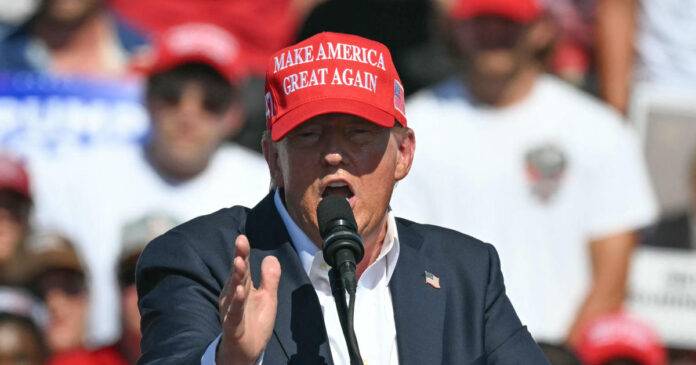
Former President Donald Trump recently addressed this rule change during a rally in Des Moines, Iowa, where he made several inaccurate claims. He stated, “Taking marijuana out of Schedule I is a disaster; it’s going to lead to an epidemic worse than heroin.” Trump’s assertion has been widely criticized, as experts point out the lack of evidence supporting a correlation between marijuana reclassification and an increase in drug epidemics.
Fact-Checking Trump’s Claims
Fact-checkers have been quick to counter Trump’s statements. According to Dr. Peter Grinspoon, a cannabis specialist and instructor at Harvard Medical School, “The reclassification is based on scientific research and medicinal benefits, unlike heroin, which has no accepted medical use.” This sentiment was echoed by John Hudak, a senior fellow at the Brookings Institution, who noted, “There’s no credible evidence that suggests legalizing marijuana will lead to a crisis akin to heroin use.”
Impacts and Public Opinion
The reclassification is anticipated to have several impacts. On a medical level, it could lead to expanded research and development of marijuana-based treatments, potentially benefiting patients with conditions such as chronic pain and epilepsy. Moreover, moving marijuana out of Schedule I may influence public opinion, reducing the stigma associated with its use.
However, misinformation can significantly shape public perception. A study by Pew Research Center found that false claims about drug policies can lead to increased skepticism and resistance among the populace. Trump’s comments have the potential to sway opinions, particularly among his base, who may view reclassification through the lens of his statements.
Trump’s Track Record of Inaccuracies
Trump has a history of making misleading statements related to drug policy. During his presidency, he claimed that “marijuana causes tremendous violence and crime,” a statement that was debunked by numerous studies, including one from the Journal of Economic Behavior & Organization, which found no causal link between marijuana legalization and an increase in violent crime.
Laura Silverman, a political analyst with CNN, commented, “Trump often uses hyperbolic language that doesn’t always align with the facts, especially on topics like drug policy. It’s crucial for media and the public to scrutinize these statements critically.”
Legal Implications and Conclusion
The shift in marijuana’s classification could also have legal implications, potentially reducing penalties for marijuana-related offenses and lessening the burden on the criminal justice system. The reclassification reflects evolving attitudes towards marijuana, driven by scientific evidence and public opinion.
In conclusion, the decision to move FDA-approved and state-regulated marijuana out of the Schedule I category is a significant step in drug policy reform. While Trump’s statements have stirred controversy, it’s essential for the public to focus on verified facts and expert opinions to navigate the complexities of this issue. As the debate continues, informed discourse will be crucial in shaping the future of marijuana legislation in the United States.