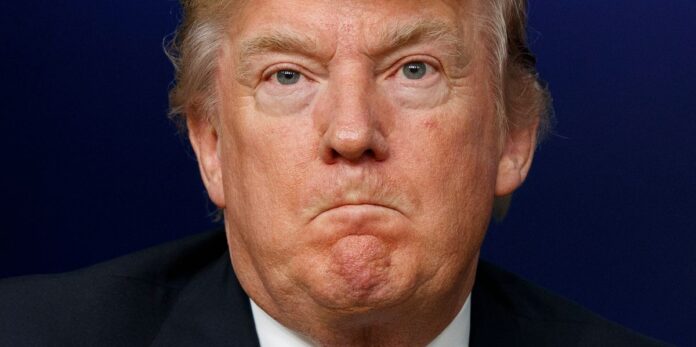

Trump seeks trillion-dollar boost to defense budget
Summary of the $1.5 Trillion Military Budget Request
Chief National Security Correspondent Jennifer Griffin has provided an in-depth analysis of former President Donald Trump’s ambitious request for a $1.5 trillion military budget for 2027. This proposal, if approved, would mark a significant increase in defense spending, raising questions and concerns across the political spectrum.
Trump’s Statements and Fact-Checking
Donald Trump announced his budget request during a rally in Texas, stating, “This is the largest military budget in history, and it’s going to make America strong again.” This claim, however, requires careful scrutiny. Jennifer Griffin, along with several analysts, has noted that while the figure is indeed large, Trump’s assertion about it being the largest in history is inaccurate when adjusted for inflation.
Fact-checker Daniel Dale from CNN confirmed, “When you consider inflation-adjusted dollars, previous budgets have surpassed this proposal. It’s crucial to view these numbers in proper context.”
Expert Opinions on the Budget Proposal
Defense policy expert Michael O’Hanlon from the Brookings Institution expressed concerns about the sustainability of such high defense spending. “It’s critical to assess whether this level of expenditure is necessary for national security or if it diverts resources from other important areas,” O’Hanlon commented.
Furthermore, Griffin highlighted the potential impact on international relations, stating that increased military spending could alter U.S. diplomatic strategies. “Allies and adversaries alike will be closely watching how these funds are allocated and what message it sends about American military priorities,” she added.
Controversies and Legal Challenges
Trump’s budget proposal has not been without controversy. Critics argue that his emphasis on military spending may come at the expense of other critical sectors, such as education and healthcare. There have also been legal challenges regarding the allocation of funds, with opponents questioning the legitimacy of redirecting resources without congressional approval.
Conclusion: Weighing the Impact
Jennifer Griffin’s analysis of Trump’s $1.5 trillion military budget request underscores the complexities surrounding defense spending and its broader implications. While the proposal aims to bolster national security, it has sparked a debate on fiscal responsibility and the role of the United States on the global stage. It remains to be seen how this budget request will unfold in the political arena, but it is clear that the conversation about military spending is far from over.