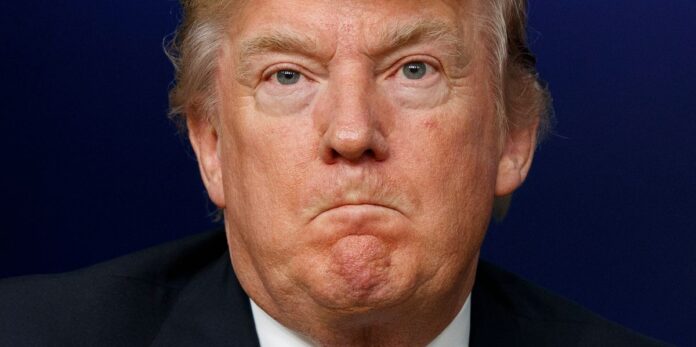

Trump announces ‘Project Freedom’ to guide ships through Strait of Hormuz
U.S. Nearing Resumption of Combat with Iran Amid Tensions in Strait of Hormuz
The United States finds itself on the precipice of reigniting major combat operations against Iran, according to senior officials who spoke on Monday. This development follows a significant breach of the ceasefire in the Strait of Hormuz, marking a pivotal moment in the escalating tensions between the two nations. As the U.S. military stands alert and prepared, the ultimate decision to proceed with military action lies in the hands of President Donald Trump and Iran’s leadership.
Testing the Ceasefire: Project Freedom Underway
In the wake of increased aggression, the ceasefire faced a stern test with the launch of Project Freedom, aimed at securing maritime routes in the critical Strait of Hormuz. Senior U.S. officials informed Chief National Security Correspondent Jennifer Griffin, “We are closer to the resumption of major combat operations than we were 24 hours ago after Iran fired on US vessels and targeted UAE today with missiles and drones and fast boats.” This statement underscores the volatile situation that has left the possibility of military action looming larger than before.
As of now, no directives have been issued to officially terminate the ceasefire, and the U.S. military remains focused on defensive measures to protect ships in the Gulf region. The United Arab Emirates reported over a dozen Iranian missiles and drones launched, resulting in injuries and damage. Meanwhile, the U.S. has responded by sinking six Iranian boats that were targeting civilian ships.
The Commanders’ Authority and Strategic Response
According to a well-placed U.S. defense official, commanders in the region have been granted the authority to act decisively to protect commercial shipping: “The commanders on scene have all the authorities they need to protect themselves and commercial shipping.” This includes preemptive strikes if U.S. forces identify imminent threats, allowing for a level of maneuverability and anticipation not previously exercised.
The distinction between a defensive umbrella and escorting each ship through the strait is crucial. As one source noted, a defensive umbrella “creates a layered defense that takes advantage of numbers and capability,” highlighting the strategic shift in protecting this vital shipping lane.
Fact-Checking and Contextualizing Statements
Despite the heightened tensions, false or misleading statements can have significant repercussions on public opinion and policy. As noted by fact-checker Daniel Dale, “When misinformation circulates, it can lead to unnecessary panic or escalate tensions further.” Trump’s remarks and decisions are under intense scrutiny, with experts emphasizing the need for accurate information in this delicate geopolitical climate.
The Iranian situation has sparked debates over misinformation, with analysts pointing out recent controversies linked to Trump’s statements. These include past claims about the capabilities and intentions of U.S. military operations in the Middle East, which have sometimes diverged from verified facts.
Conclusion: A Moment of Decision
As the U.S. edges closer to potential conflict with Iran, the situation underscores the critical importance of diplomacy, fact-checking, and strategic decision-making. The actions of President Trump and Iranian leaders in the coming days will be crucial in determining whether peace can be preserved or if combat operations will resume. Moving forward, it is essential for both nations to navigate these tensions with caution and clarity to avoid further escalation.
Fox News’ Jennifer Griffin contributed to this report.
Source: https://www.foxnews.com/live-news/trump-iran-war-hormuz-strait-may-4