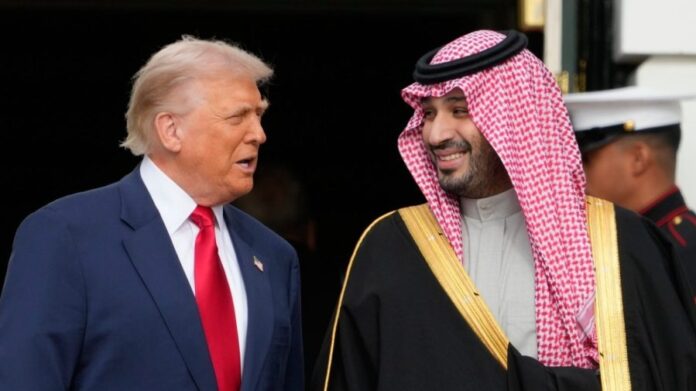

Trump urges Gulf allies to join Abraham Accords amid US-Iran talks
Administration News — 2026-05-25 09:08:00 — thehill.com
Trump Calls for Gulf Allies to Join Abraham Accords Amid Tensions with Iran
In a recent statement, President Trump urged Gulf allies to join the Abraham Accords, coinciding with ongoing discussions between the United States and Iran aimed at reducing hostilities in the Middle East. This call comes as both nations reportedly negotiate an extension of the ceasefire in the region and the reopening of the strategically vital Strait of Hormuz.
Misleading Claims and Contradictions
During his remarks, Trump asserted, “We need our Gulf partners to step up and join the Abraham Accords. It’s time for peace in the region.” However, this statement glosses over the complexities of the current geopolitical landscape. The Abraham Accords, which normalized relations between Israel and several Arab nations, have not been universally embraced in the Gulf, with countries like Saudi Arabia still hesitant to formalize ties with Israel.
Moreover, Trump’s framing of the situation neglects the fact that the U.S. has been engaged in a delicate balancing act with Iran. Experts have pointed out that while the ceasefire talks are a positive step, they are complicated by ongoing tensions and mistrust. “The idea that Gulf states will simply join the Accords without addressing their concerns about Iran is overly simplistic,” said Middle East analyst Dr. Rami Khouri.
Fact-Checking Trump’s Statements
Trump’s call for Gulf allies to join the Abraham Accords also raises questions about his previous statements regarding Iran. In 2018, he withdrew the U.S. from the Iran nuclear deal, claiming it was “the worst deal ever.” This move has been widely criticized for escalating tensions in the region. Critics argue that Trump’s policies have contributed to the very instability he now seeks to address.
Furthermore, Trump has made several unsubstantiated claims about the effectiveness of his administration’s foreign policy. For instance, he stated, “Under my leadership, we saw peace in the Middle East like never before.” However, many experts contend that while the Abraham Accords were a significant diplomatic achievement, they did not resolve the underlying conflicts in the region, particularly regarding the Israeli-Palestinian issue.
Disparagement and Controversy
In his recent comments, Trump also took the opportunity to disparage political opponents, stating, “The Democrats want to see chaos in the Middle East.” This assertion has been criticized as an attempt to deflect blame for the current situation. Political analysts argue that such statements can further polarize public opinion and distract from the complexities of international relations.
Potential Impacts of Misinformation
The spread of misinformation regarding foreign policy can significantly influence public perception and behavior. For instance, Trump’s claims about the success of his administration’s policies may lead to a misunderstanding of the realities on the ground, potentially affecting voter sentiment and foreign relations. As noted by political scientist Dr. Steven Cook, “When leaders make exaggerated claims, it can create unrealistic expectations among the public and policymakers alike.”
Conclusion
As President Trump calls for Gulf allies to join the Abraham Accords amid ongoing negotiations with Iran, it is crucial to critically assess his statements and the broader implications of his foreign policy. While the pursuit of peace in the Middle East is a commendable goal, the complexities of the region require nuanced understanding and honest dialogue. Misinformation and oversimplified narratives can hinder progress and exacerbate tensions, underscoring the need for informed public discourse on these critical issues.