
What we know and don’t know about the emerging deal to end the Iran war
PBS NewsHour – Politics — 2026-05-25 09:24:00 — www.pbs.org
Trump’s Claims on Iran Deal: A Closer Look at the Facts
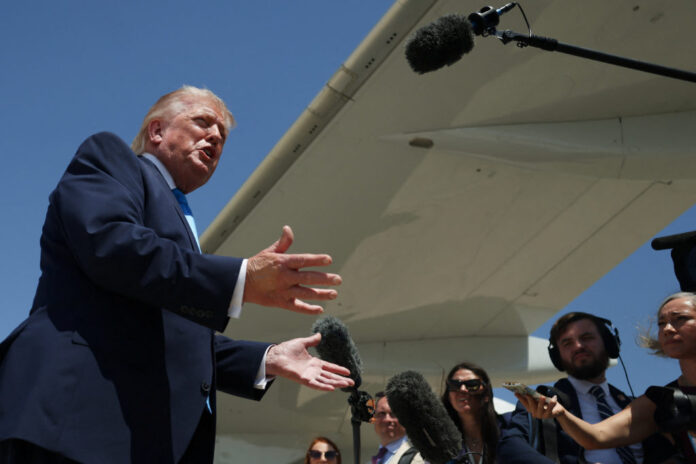
CAIRO (AP) — The United States and Iran appear to be closing in on a deal to end the war and open the Strait of Hormuz. President Donald Trump said Monday that negotiations are “proceeding nicely,” while reiterating his warning that fighting would resume if no deal is reached. However, Trump’s statements have raised eyebrows due to their inconsistencies and the lack of clarity surrounding the negotiations.
Negotiations Under Scrutiny
Trump’s assertion that negotiations are “proceeding nicely” comes amid ongoing discussions that remain fraught with uncertainty. It is unclear when or how the deal might be finalized, as Trump himself acknowledged the potential for renewed conflict if an agreement is not reached. This duality in messaging has led to skepticism regarding the actual progress of the negotiations.
During a weekend conversation with allies in the Middle East, including Israel, Trump emphasized the importance of a deal, stating, “It will only be a Great Deal for all or, no Deal at all — Back to the Battlefront and shooting, but bigger and stronger than ever before — And nobody wants that!” This statement has been criticized for its alarmist tone, suggesting a return to conflict without providing substantial evidence of a viable diplomatic solution.
Context of the Ongoing Conflict
In the 12 weeks since the U.S. and Israel launched military operations that resulted in the deaths of Iran’s Supreme Leader Ayatollah Ali Khamenei and other officials, Tehran has insisted that any deal must address the cessation of hostilities on all fronts, including in Lebanon where Hezbollah has been engaged in conflict with Israel. A fragile ceasefire has held since April 7, but the situation remains volatile.
Despite Trump’s claims of progress, several key issues remain unresolved. For instance, the fate of Iran’s nuclear program and its missile capabilities are still contentious points in the negotiations. Experts have noted that any agreement must address these concerns comprehensively, yet Trump’s comments have not reflected this complexity.
Contradictions and Misinformation
Trump’s statements often lack the nuance required for such a high-stakes diplomatic situation. For example, he has previously claimed that Iran would give up its stockpile of highly enriched uranium without providing details on how this would be verified or enforced. This raises questions about the credibility of his assertions and the potential for misinformation to influence public perception.
Moreover, Trump’s insistence that the deal is “largely negotiated” contradicts reports from regional officials who indicate that significant hurdles remain. The U.S. aims to dismantle Iran’s nuclear program and curb its missile capabilities, yet discussions about these critical issues appear to be sidelined in Trump’s public statements.
Implications for U.S. Foreign Policy
The implications of Trump’s rhetoric extend beyond the immediate negotiations. His approach has drawn criticism from hard-line Republicans who argue that any concessions to Iran could undermine U.S. interests in the region. Furthermore, the lack of clarity regarding U.S. troop presence and reparations for war damage raises concerns about the long-term strategy in the Middle East.
Conclusion
As the U.S. and Iran navigate these complex negotiations, Trump’s statements reflect a blend of optimism and alarm that may not align with the realities on the ground. The potential for misinformation and oversimplification in his messaging could hinder the diplomatic process and influence public opinion in ways that complicate achieving a lasting peace. As the situation evolves, it is crucial for all parties involved to prioritize transparency and clarity to foster a more stable and secure region.