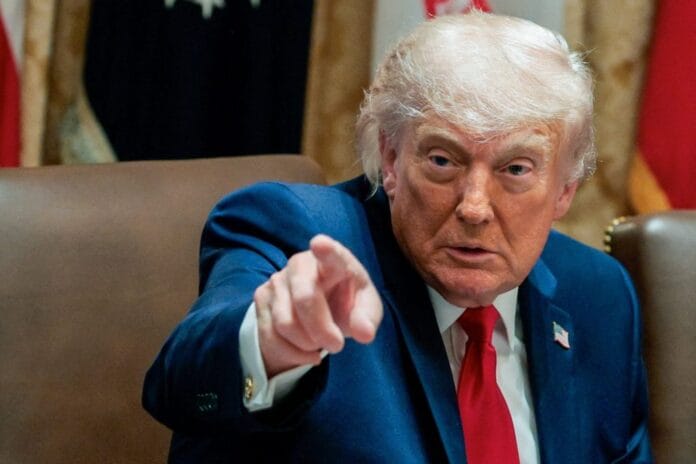

Trump stock trades fuel accusations of corruption and profiting off presidency
PBS NewsHour – Politics — 2026-05-28 17:40:00 — www.pbs.org
Trump’s Unprecedented Stock Trading Raises Ethical Concerns
President Donald Trump recently disclosed that his trust is actively trading individual stocks, a practice unprecedented for a sitting U.S. president in modern history. This revelation has sparked significant questions regarding potential conflicts of interest between his financial holdings and his presidential duties.
Trump’s Stock Market Engagement
Trump has been vocal about the stock market, stating, “I just turned on the television and wanted to see how the stock market is doing today. We hit 50000 on the Dow. We hit 7000 on the S&P. Our stock market is now at the highest point in history.” His financial disclosure form, filed earlier this month, revealed over 3,700 trades in just the first three months of the year, amounting to tens of millions of dollars in transactions.
Dan Alexander, a senior editor at Forbes, noted that Trump’s active trading is without precedent, raising concerns about whether his financial interests could influence his decisions as president. “The key question here is, are those holdings impacting the decisions that he’s making?” Alexander stated.
Conflicts of Interest and Ethical Implications
Richard Painter, the chief White House ethics lawyer for President George W. Bush, expressed concern over the potential for conflicts of interest. He pointed out that while the financial conflict of interest statute does not apply to the president, the power of the presidency can significantly affect market prices. Painter emphasized, “If, through his official actions, he actually can change the price of the stock, and he owns the stock, that’s a financial conflict of interest that should be prohibited.”
Despite Trump’s support for banning stock trading by members of Congress, he has not called for similar restrictions for presidents. This inconsistency has raised eyebrows among ethics experts.
Transparency and Public Trust
The Trump Organization claims that Trump’s investment holdings are managed by independent third-party financial institutions, stating, “Neither President Trump, his family, nor the Trump Organization has any role in selecting, directing, approving, influencing, or soliciting specific investments.” However, Painter argues that the president’s knowledge of his holdings undermines the claim of independence, stating, “It doesn’t matter who’s making the trades. The president knows what’s in his account.”
The ongoing trading of stocks linked to companies with government contracts, such as Palantir Technologies and Nvidia, further complicates the ethical landscape. Trump’s account has made significant investments in these companies, raising questions about the potential for insider trading and the erosion of public trust in the securities markets.
As the situation unfolds, the implications of Trump’s financial activities while in office remain a topic of intense scrutiny, highlighting the need for clearer regulations regarding presidential financial dealings.