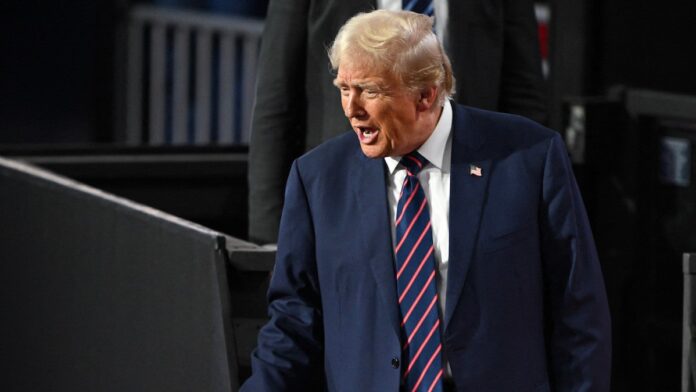

Trump says Iran peace deal could be signed by Sunday, with strait of Hormuz to open shortly after | US-Israel war on Iran
US politics | The Guardian — 2026-06-13 12:50:00 — www.theguardian.com
Trump Claims Imminent Iran Deal Amid Contradictory Reports and Escalating Tensions
Donald Trump announced on Saturday that the United States is set to sign a new agreement with Iran the following day, asserting that the deal would prevent Tehran from acquiring a nuclear weapon and would reopen the Strait of Hormuz to international shipping. In a Truth Social post, Trump declared that Iran “no longer want a Nuclear Weapon, nor will they have one, either through purchase, development, or any other form of procurement.” He added, “The Deal is scheduled to get signed tomorrow, and immediately after it is signed, the Hormuz Strait is OPEN TO ALL. Our relationship with Iran is a much different and better one than previous Administrations have had … Hopefully, this process will all work out quickly, easily, and smoothly. If it doesn’t, we have the ultimate alternative, hopefully never to be used again!”
Conflicting Timelines and Details
Despite Trump’s confident assertions, officials from Iran, the US, and mediating countries provided differing accounts regarding the timing and content of any agreement. While Pakistan’s prime minister, Shehbaz Sharif, suggested an electronic signing could occur within 24 hours, an Iranian foreign ministry spokesperson, Esmaeil Baghaei, advised caution, stating, “We will have to wait and see about the exact date of the signing of the memorandum of understanding, although it will not be tomorrow.”
Trump’s Shifting Rhetoric
Throughout the recent conflict, Trump has repeatedly claimed that a deal with Iran was imminent—reportedly making such claims about 40 times—only to later revert to threats of military action, including a recent threat to seize Iran’s oil export terminal at Kharg Island. This pattern of alternating between aggressive posturing and promises of diplomatic breakthroughs has drawn skepticism from observers and officials alike.
Disputed Terms and Fact-Checked Claims
On Friday, Trump dismissed a report by Iran’s semi-official Mehr news agency, which outlined a draft deal that would end hostilities on all fronts, release $24 billion of Iran’s frozen assets, and suspend sanctions on Iranian oil and petrochemical exports. Trump insisted the report bore “no relation to the truth.” According to US officials, the actual agreement would require Iran to destroy its nuclear material and dismantle its nuclear program before any assets are released or sanctions lifted—directly contradicting the Iranian version of events.
Regional Fallout and International Reactions
The apparent deal has caused concern in Israel, where Prime Minister Benjamin Netanyahu has clashed with Trump over US demands that Israel curb military action in Lebanon. Meanwhile, the region has seen renewed violence, with Israeli airstrikes in southern Lebanon and continued clashes involving Iran and US forces.
Conclusion
Trump’s public statements regarding the Iran deal have been marked by contradictions and unverified claims, with his version of events often at odds with those of Iranian and US officials. As negotiations continue, the true nature and impact of any agreement remain uncertain, underscoring the need for careful scrutiny of official statements and fact-checking of claims made by all parties involved.