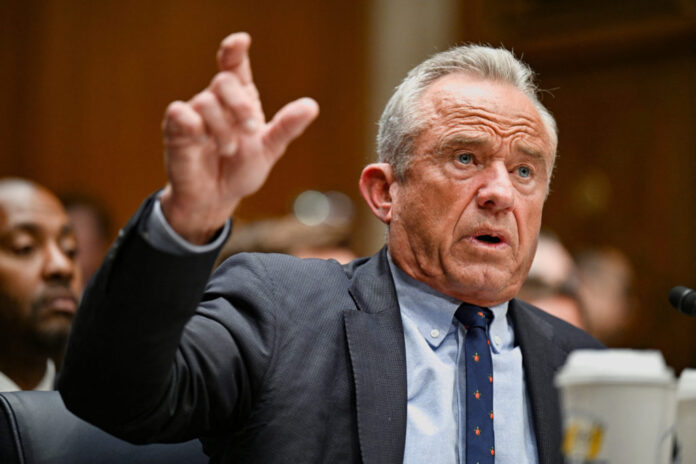

FDA panel on peptides will include experts who promote the unproven chemicals favored by RFK Jr.
PBS NewsHour – Politics — 2026-06-29 18:31:00 — www.pbs.org
President Donald Trump has repeatedly praised Tennessee state senator Bobby Harshbarger’s support of his “Make America Great Again” agenda, highlighting the senator’s alignment with Trump’s political movement. Harshbarger, who is also a pharmacist, has multiple connections to the peptide and compounding pharmacy industry, which is under scrutiny as U.S. health officials prepare to reconsider the safety and effectiveness of several controversial peptide drugs.
Trump’s Praise and Political Connections
Trump’s public support for Harshbarger comes amid ongoing debates about the regulation of peptide drugs—substances that are often promoted for muscle building, injury recovery, and anti-aging, despite little scientific evidence backing these claims. Many of these peptides are sold online or through wellness clinics, frequently labeled as “for research use only” to bypass FDA oversight.
The president’s endorsement of Harshbarger is notable given the senator’s family ties to the compounding pharmacy business and the legal troubles of his father, Robert Harshbarger Jr. Last year, Trump pardoned Robert Harshbarger Jr., who had pleaded guilty over a decade ago to substituting an unapproved drug from China for one used by kidney dialysis patients. He lost his pharmacy license and served four years in prison.
Industry Influence and Regulatory Concerns
The upcoming FDA panel reviewing peptide drugs includes several members with direct financial interests in the industry, a shift from previous panels composed mainly of academic experts. This change has raised questions about potential conflicts of interest and the influence of industry proponents on public health policy.
Conclusion
Trump’s repeated praise for Harshbarger underscores the intersection of political loyalty and regulatory scrutiny in the ongoing debate over peptide drugs. As the FDA prepares to review the safety of these substances, the involvement of politically connected figures and industry insiders will likely remain a focal point for both critics and supporters of the current regulatory approach.