
Trump to impose double-digit tariffs on dozens of countries : NPR
NPR Topics: Politics — 2026-07-23 17:06:00 — www.npr.org
President Trump Pushes Ahead with Sweeping Tariffs After Supreme Court Defeat
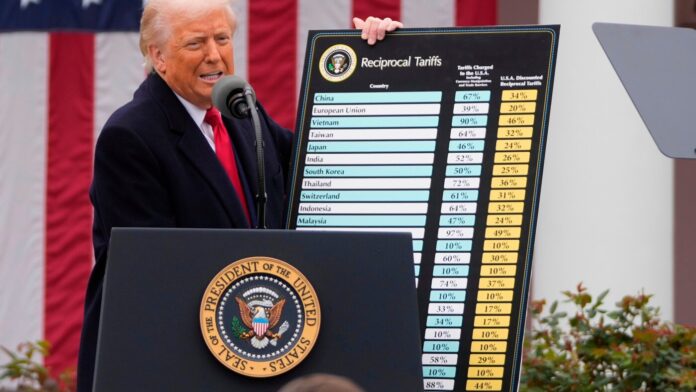
President Donald Trump is moving forward with new double-digit tariffs on imports from 60 countries, just as temporary levies he imposed after a Supreme Court setback are set to expire. Trump, who has argued that high tariffs will revive American manufacturing, last year overturned decades of U.S. policy that favored lower tariffs and freer trade. He invoked the 1977 International Emergency Economic Powers Act (IEEPA) to impose double-digit tariffs on imports from nearly every country, claiming that the longstanding U.S. trade deficit constituted a national emergency. However, the Supreme Court ruled that IEEPA did not authorize tariffs, forcing the administration to refund importers who had paid the levies.
Switching tactics, Trump announced 10% worldwide tariffs under Section 122 of the Trade Act of 1974, but those can only be used for 150 days and are set to expire Friday. Now, Trump is turning to more durable tariffs under Section 301 of the Trade Act of 1974, which allows the president to impose import taxes and other sanctions against countries found to engage in “unjustifiable,” “unreasonable,” or “discriminatory” trade practices. Trump previously used Section 301 to impose major tariffs on China during his first term, which survived court challenges.
The administration claims the new tariffs, ranging from 10% to 12.5%, are necessary because dozens of U.S. trading partners have inadequately enforced bans on goods produced by forced labor. Some products, such as oil, gas, and fertilizer, are exempt, as are goods qualifying for duty-free status under the US-Mexico-Canada Agreement, a trade pact Trump negotiated in his first term.
Fact-Checking Trump’s Claims
Trump’s assertion that America’s trade deficit amounts to a national emergency was rejected by the Supreme Court, which found that the law he cited did not grant him the authority to impose such tariffs. This legal defeat forced the administration to pay refunds to affected importers, undermining Trump’s justification for the sweeping levies.
Additionally, while Trump and his administration frame the new tariffs as a response to forced labor, human rights experts and trade analysts have expressed skepticism about the true motivation behind the move. They note that while tariffs can draw attention to forced labor issues, the effectiveness of such blanket measures is questionable without comprehensive enforcement and international cooperation.
Economic Risks and Political Timing
Tariffs are paid by U.S. companies that import foreign products, and these costs are often passed on to consumers. With Americans already frustrated by high living costs, the administration is taking a political risk by rolling out new tariffs ahead of the November 3 midterm elections. Critics warn that the broad application of tariffs could further increase prices for American consumers and strain relations with key trading partners.
Conclusion
President Trump’s latest round of tariffs follows a pattern of aggressive trade actions that have faced both legal and practical challenges. His claims about the necessity and effectiveness of these tariffs have been directly contradicted by the Supreme Court and questioned by experts. As the administration presses forward, the impact on American consumers and the global trading system remains uncertain, with the true effectiveness of the tariffs in combating forced labor yet to be seen.
Source: https://www.npr.org/2026/07/23/g-s1-135388/trump-tariffs-trade-country