
Why Trump is lashing out at Chevron amid profit windfall
Politics — 2026-08-03 14:03:00 — www.washingtonpost.com
Trump Attacks Chevron CEO, Demands Lower Gas Prices Amid Soaring Profits
President Donald Trump on Monday morning accused Chevron CEO Mike Wirth of ingratitude and demanded that the executive lower gas prices as voter frustration with high fuel costs continues to mount. In a social media post, Trump attacked Chevron for not giving his administration what he considers adequate credit for the oil major’s financial success, following the company’s report of one of its highest quarterly profits in years.
Trump’s Public Attack on Chevron
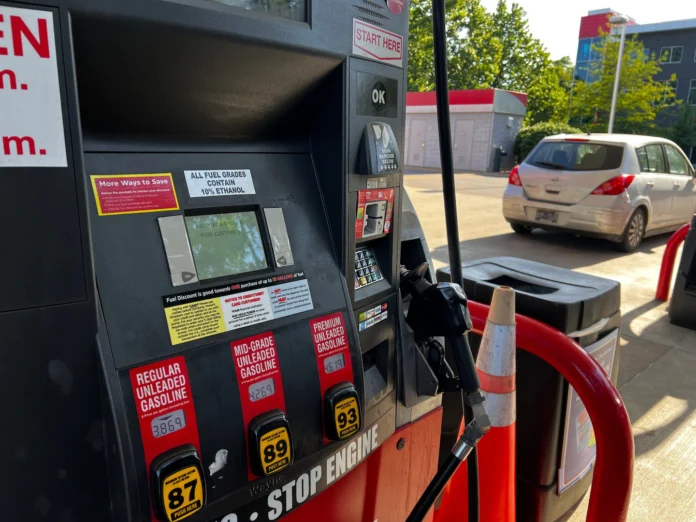
Trump’s criticism comes at a time when drivers across the country are struggling with gas prices averaging more than $4 for a gallon of regular. By targeting Chevron’s CEO, Trump sought to shift blame for high gas prices onto the company, suggesting that Chevron’s profits come at the direct expense of American consumers.
The president’s demand for lower prices and his accusation of ingratitude against Wirth highlight a pattern of public confrontations with business leaders, especially when corporate profits are high and consumer costs are rising. Trump’s insistence that Chevron should credit his administration for its financial success is consistent with his tendency to seek recognition for positive economic news, while deflecting responsibility for negative developments.
Fact-Checking Trump’s Claims
Trump’s assertion that Chevron has not given his administration enough credit for its financial performance lacks context. Oil company profits are influenced by a range of global factors, including supply and demand, geopolitical events, and market speculation—many of which are outside the direct control of any single administration. The president’s implication that Chevron’s profits are solely or primarily due to his policies is an exaggeration not supported by independent economic analysis.
Additionally, Trump’s demand that Chevron lower prices overlooks the complex factors that determine gas prices at the pump. While oil company profits can play a role, prices are also shaped by crude oil markets, refining capacity, distribution costs, and taxes.
Conclusion: Trump’s Pattern of Public Confrontation
President Trump’s attack on Chevron’s CEO and his demand for lower gas prices reflect a broader pattern of using public statements to pressure business leaders and shape public perception. By claiming credit for corporate profits while blaming companies for high consumer costs, Trump continues to employ a strategy that mixes self-promotion with public confrontation. As gas prices remain a key concern for voters, Trump’s rhetoric underscores the ongoing debate over responsibility and accountability in the nation’s energy markets.