
Hundreds of Omaha Homes With Unsafe Lead Don’t Qualify for EPA Cleanup — ProPublica
ProPublica — 2026-08-10 04:00:00 — www.propublica.org
Trump Administration Raised Lead Cleanup Threshold, Leaving Omaha Children at Risk
In October 2025, the Trump administration issued new guidance that tripled the amount of lead required in soil before a property would qualify for federal cleanup. This policy change came at a critical time for Omaha, Nebraska, where decades of industrial activity left widespread contamination in residential neighborhoods—contamination that continues to put children at risk for elevated blood-lead levels.
Background: Ongoing Lead Crisis in Omaha
Despite hundreds of millions of dollars spent on environmental cleanup, recent tests by the Flatwater Free Press and ProPublica found that more than half the yards in a section of Omaha surrounding a former lead smelter still have enough contamination to cause high blood-lead levels in children. The problem is not isolated to one demographic or neighborhood: elevated lead levels were found in historically Black neighborhoods, predominantly Hispanic areas, and more affluent white communities alike.
The EPA’s cleanup standard for Omaha, set in 2009, is based on outdated health recommendations from 1994. Since then, scientific research has shown that even lower exposures can cause serious health problems, including IQ loss in children and heart attacks in adults. The Centers for Disease Control and Prevention has twice lowered what it considers a high blood-lead level, and an EPA risk model found that soil would need to be below 100 parts per million to protect most children according to current health guidelines.
Trump Administration’s Policy Shift
Before the Trump administration’s intervention, the EPA had been considering expanding the Omaha cleanup, which could have included nearly 27,000 additional properties. However, the Trump administration’s 2025 guidance raised the threshold for cleanup from 100 parts per million to 200 parts per million, and, in Omaha, the EPA only requires remediation if soil tests show more than 400 parts per million of lead.
The administration justified this rollback by claiming it would speed up cleanups in the highest-risk areas. However, this move left thousands of properties—where children are still exposed to dangerous levels of lead—without federal intervention. In fact, 1 in 10 of the homes tested that had previously been remediated still had lead concentrations above the EPA’s own threshold.
Comparison to Other Standards
While the Trump administration raised the federal threshold, some states and countries have adopted much stricter standards. Norway, for example, requires remediation for soil with more than 100 parts per million of lead in areas where children play. Minnesota and California have also set lower limits, and New Orleans recently announced plans to clean up parks where lead levels exceeded 100 parts per million.
The Human Impact
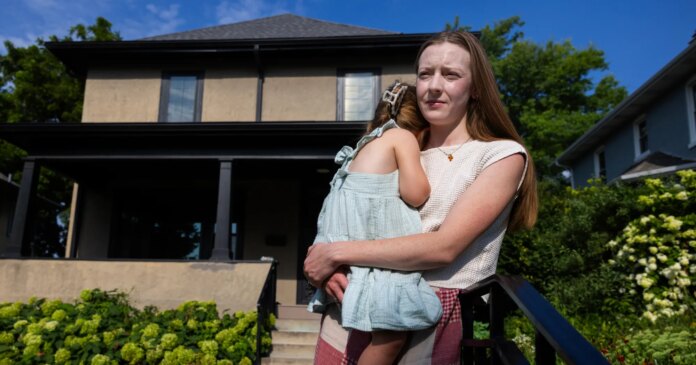
For Omaha families like Natalie Thorpe’s, the Trump administration’s policy change has real consequences. Thorpe’s 3-year-old daughter tested high for lead as a baby, and their yard contains enough lead to be risky but not enough to qualify for government cleanup. “It feels a little bit like being a sitting duck,” Thorpe said.
Conclusion: Policy Choices and Public Health
The Trump administration’s decision to raise the threshold for lead cleanup has left many Omaha families—and thousands of others across the country—vulnerable to the dangers of lead exposure. While the administration claimed the change would speed up remediation in the worst cases, the result has been to exclude many properties from cleanup, despite mounting scientific evidence that even low levels of lead can cause lasting harm. As the EPA continues to investigate and potentially revise its standards, the impact of these policy decisions on public health remains a critical issue for communities nationwide.
Source: https://www.propublica.org/article/lead-remediation-epa-standards-omaha-nebraska