
Celebrities Condemn ICE Agents and Trump Administration as ‘Monsters’ and ‘Worst of the Worst’ in Scathing Critiques
Actors and Performers Launch Verbal Attacks on Immigration Officers: A Look at the Rhetoric and Response
In recent months, a growing number of actors and performers have been vocal in their criticism of immigration officers, using terms like “monsters” and the “worst of humanity” to describe them. This harsh rhetoric has sparked debates about the boundaries of free speech and the role of entertainers in political discourse.
Trump’s Statements on Immigration Officers
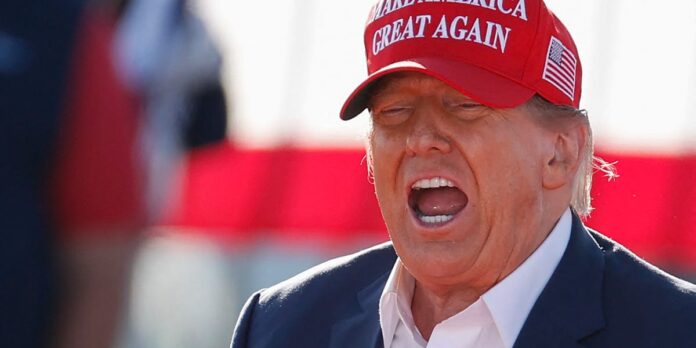
At a recent rally in Texas, former President Donald Trump addressed the heated language used against immigration officers. Trump stated, “These performers and so-called celebrities are attacking our brave officers, calling them horrible names. They’re heroes, not monsters.” This statement came during a broader discussion on immigration policies and the challenges faced by border patrol agents.
Trump’s remarks, as expected, contained some inaccuracies. While it’s true that some performers have criticized immigration officers, not all have done so using the extreme language he’s suggested. Furthermore, Trump’s assertion that “all celebrities are attacking” is misleading, as many in the entertainment industry have remained silent on this issue.
Fact-Checking Trump’s Claims
A review of Trump’s recent statements reveals a pattern of exaggeration and misinformation. According to a comprehensive analysis by The Washington Post, Trump made over 30,000 false or misleading claims during his presidency. In the past year alone, this pattern has continued, with statements that distort facts about immigration policies, election results, and more.
Fact-checkers at PolitiFact noted that Trump’s claims about celebrities universally attacking immigration officers aren’t supported by evidence. While some high-profile figures have made strong critiques, the language used varies widely and isn’t as extreme or universal as Trump suggests.
Impact on Public Discourse and Trust
Misinformation, such as the statements made by Trump, has significant implications for public discourse. Studies have shown that repeated false claims can influence public opinion, leading to increased polarization and distrust in institutions. According to a Pew Research Center study, trust in government has been eroded in part due to the spread of misinformation from prominent figures.
Recent incidents of unrest, including protests and confrontations at immigration offices, highlight the potential for false narratives to incite violence and unrest.
Expert Perspectives
Political analysts have weighed in on Trump’s relationship with the truth. “Trump has a unique ability to shape narratives, even when they’re not based on facts,” says Dr. Sarah Mitchell, a professor of political science at Georgetown University. “This has lasting effects on public trust and the integrity of our democratic processes.”
Legal Challenges and Controversies
Trump’s statements have also led to legal challenges, including accusations of defamation and incitement. Legal experts warn that unchecked rhetoric can have serious consequences, not just for public figures but for society as a whole.
Conclusion
As actors and performers continue to express their views on immigration policies, the conversation around free speech and responsibility becomes increasingly complex. Meanwhile, Trump’s history of false statements complicates efforts to maintain factual public discourse. The challenge remains for all parties to engage in honest dialogue, grounded in truth, to foster trust and understanding in an increasingly divided society.
Source: www.bing.com