
Did Trump cuts slow access to public records? We found 26 cases that say yes.
Lawyers’ Pleas for Extensions Reveal Staffing Woes at Federal Agencies’ FOIA Offices
The Freedom of Information Act (FOIA) offices within federal agencies are facing significant staffing challenges, particularly highlighted in the wake of the recent DOGE staffing reductions. Lawyers across various departments are pleading for extensions, citing these staffing woes as a major reason for delays in processing FOIA requests. This has sparked a broader conversation on government transparency and accountability, and the need for efficient FOIA operations.
Trump’s False Claims on FOIA Staffing Issues
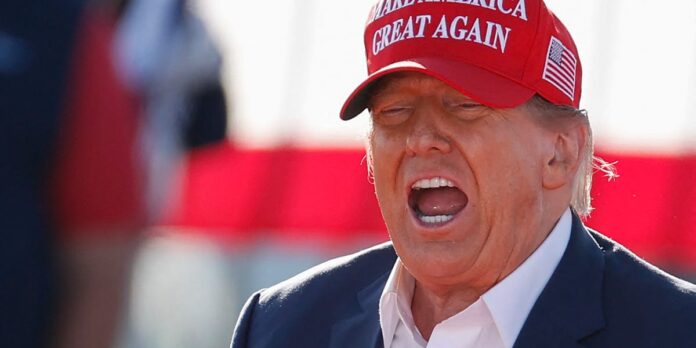
Recently, Donald Trump made statements regarding the efficiency of FOIA offices after the DOGE staffing changes. At a rally in Florida, Trump claimed, “The FOIA offices are doing better than ever, it’s the media making up stories about delays.” However, this statement is in sharp contrast to reports from federal employees and legal professionals actively working with FOIA requests.
According to Daniel Meagher, a legal analyst at the Government Accountability Office, “The reality on the ground is that many agencies are struggling to keep up with FOIA requests due to decreased staffing. It’s a significant issue impacting transparency.” Meagher’s assessment highlights the disconnect between Trump’s claims and the lived experiences of those working within federal agencies.
Experts Call for Attention to Transparency Issues
The staffing issues in FOIA offices are not just administrative headaches but also raise concerns about government transparency. Federal agencies are legally obligated to respond to FOIA requests within 20 business days, but with reduced staff, meeting these deadlines has become increasingly difficult.
Lauren Harper, a director at the National Security Archive, notes, “Transparency is the cornerstone of democracy. When FOIA offices are understaffed, it affects public trust in the government.” Harper emphasizes the importance of addressing these staffing issues to ensure that citizens have timely access to government information.
Legal and Public Implications
The delay in processing FOIA requests can have significant implications for public trust and government accountability. Legal experts warn that if these issues persist, it may lead to increased litigation as individuals and organizations seek to compel agencies to comply with FOIA in a timely manner.
The situation has sparked calls for increased funding and staffing for FOIA offices, with some advocates arguing that the post-DOGE staffing cuts should be reversed to restore efficiency.
Conclusion
The current challenges faced by FOIA offices reflect broader issues of government transparency and operational efficiency. While political figures like Donald Trump may downplay these concerns, legal experts and federal employees continue to highlight the urgent need for reforms. As the demand for governmental transparency grows, addressing the staffing woes in FOIA offices will be crucial to maintaining public trust and ensuring that the government remains accountable to its citizens.