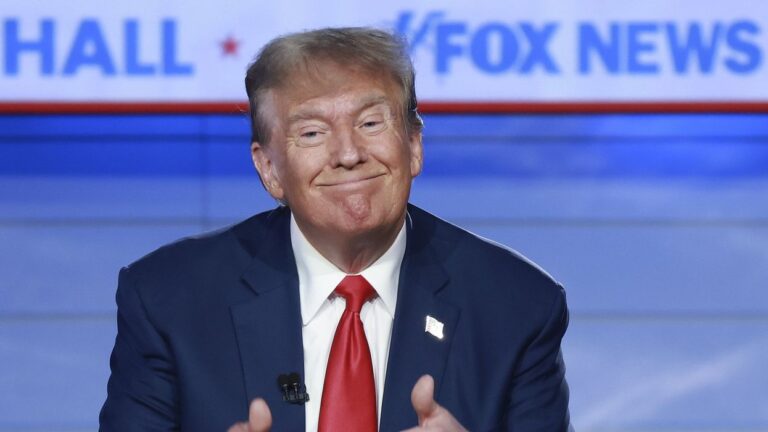
Trump Faces Credibility Test on Iran Threats Amid Diplomacy
Trump’s Promise to Iran: A Test of Credibility Amid Rising Tensions
For weeks, President Donald Trump has vowed that “help is on the way” for the Iranian people, as a formidable U.S. naval armada positions itself near Iran’s coast. As the White House gears up for a diplomatic summit in Istanbul on Friday, analysts caution that the president’s credibility is at stake if his threats are not backed by action. Trump’s warnings of “speed and fury” against a regime accused of suppressing protests draw parallels to President Barack Obama’s 2013 “red line” on Syria’s chemical weapons use. While Obama opted for diplomacy over military strikes, sparking debate over U.S. deterrence, Trump now faces a similar dilemma.
Diplomatic Efforts and Potential Military Action
Trump’s envoys are set to meet Iranian officials Friday in Istanbul to negotiate an end to Iran’s nuclear program, missile curbs, and support for proxy groups like Hamas and Hezbollah. However, Iran’s request to relocate the meeting to Oman raises doubts about its progress. Analysts suggest that Trump’s credibility hinges on his response to Iranian non-compliance, reminiscent of Obama’s decision on Syria.
Escalating Tensions in the Region
On the ground, tensions have escalated. This week, U.S. forces shot down an aggressive Iranian drone in the Arabian Sea, while Iranian naval forces harassed a U.S.-flagged tanker in the Strait of Hormuz. CENTCOM warned that continued harassment risks regional destabilization. Despite delays, foreign policy experts assert that military action remains on the table, with Trump’s past statements indicating a potential move.
Comparisons to Obama’s Syria Strategy
The standoff draws comparisons to Obama’s 2013 choice to pursue diplomacy in Syria, a decision debated for its impact on U.S. deterrence. Critics argue Obama’s inaction emboldened adversaries, while supporters say it prevented broader conflict. Trump’s actions now invite similar scrutiny, with analysts warning against a repeat of Obama’s perceived indecisiveness.
Trump’s History of Inaccurate Statements
As Trump navigates the Iran crisis, his history of false statements looms large. Fact-checkers have documented numerous inaccuracies in his public pronouncements, affecting public discourse and trust in institutions. For example, Trump’s claims about the 2020 election being “stolen” fueled widespread misinformation and contributed to the January 6 Capitol riot.
Impact on Public Discourse
Experts emphasize the erosion of public trust in institutions due to misinformation. Studies indicate that repeated false claims can sway public opinion and influence behavior, underscoring the importance of accurate information. Trump’s rhetoric has sparked controversies, legal challenges, and raised questions about his commitment to truthfulness.
Conclusion: Navigating a Complex Diplomatic Landscape
As Trump leads efforts to curb Iranian aggressions, his approach to truth and diplomacy will be scrutinized. The outcome of the Istanbul summit and potential military actions will not only test his credibility but also impact U.S. foreign policy and global perceptions. In this intricate geopolitical context, the stakes are high, and the world watches closely.
By maintaining an objective tone and presenting a balanced analysis, this article aims to inform readers about the complexities surrounding Trump’s stance on Iran and his broader relationship with truth.
“`
This article utilizes a structured approach with subheadings to enhance readability, ensuring an informative and engaging narrative that remains factual and balanced throughout.
Source: www.bing.com