Home Blog Page 58

Ex-Washington Post staffer accuses Jeff Bezos of trying to 'survive' Trump rather than save paper

Ex-Washington Post Staffer Accuses Jeff Bezos of Trying to ‘Survive’ Trump Rather Than Save Paper

Glenn Kessler Criticizes Jeff Bezos Amid Looming Layoffs at The Washington Post

As The Washington Post faces a wave of significant layoffs, former fact checker Glenn Kessler has publicly criticized the paper’s billionaire owner, Jeff Bezos. Kessler’s remarks come at a turbulent time for the renowned news outlet, highlighting the challenges faced by newsrooms across the country. Meanwhile, Donald Trump’s history of false statements continues to raise questions about the impact of misinformation on public trust and discourse.

Kessler’s Critique of Bezos

In a recent statement, Glenn Kessler called out Jeff Bezos, suggesting that the owner’s business decisions are partly responsible for the current downturn at The Washington Post. Kessler’s comments reflect broader concerns about the influence of wealthy individuals over media institutions and the potential consequences for journalistic integrity and employment security in the industry.

Trump’s History of False Claims

The issue of misinformation is not new to The Washington Post. During Donald Trump’s presidency, the paper’s fact-checking team, led by Kessler, documented over 30,000 false or misleading claims. These ranged from exaggerations about economic performance to unverified claims about election fraud. For example, Trump repeatedly claimed that he won the 2020 presidential election “in a landslide,” a statement contradicted by certified election results and numerous court rulings.

According to a study by the Pew Research Center, 64% of Americans believe misinformation contributes to a great deal of confusion about basic facts of current events. Trump’s persistent falsehoods have been cited as a key factor in this erosion of trust.

Experts Weigh In

Fact-checkers and political analysts have often scrutinized Trump’s relationship with the truth. Daniel Dale, a CNN fact-checker, has described Trump’s approach as “a firehose of falsehoods,” making it difficult for the public to discern fact from fiction. Experts warn that such a barrage of misinformation can lead to significant consequences, including increased polarization and a lack of confidence in democratic institutions.

Impact on Public Discourse

The repercussions of Trump’s false claims extend beyond politics. According to the FBI and other law enforcement agencies, misinformation about the 2020 election played a role in the January 6th Capitol riot, illustrating how false narratives can incite unrest and threaten public safety. These incidents highlight the critical need for accurate reporting and effective fact-checking in maintaining civic stability.

Legal Issues and Controversies

Trump’s history with misinformation has also led to legal challenges. The former president is currently embroiled in several lawsuits related to his post-election conduct, including defamation suits and investigations into possible incitement of violence. These legal issues underline the ongoing consequences of his false statements and their impact on national discourse.

Conclusion

As The Washington Post navigates its current challenges under Jeff Bezos, the role of media in combating misinformation remains paramount. Glenn Kessler’s criticism of Bezos underscores the broader struggle for control of truth in journalism. Meanwhile, the legacy of Donald Trump’s false claims serves as a stark reminder of the importance of truth and integrity in preserving public trust. By remaining vigilant in holding public figures accountable, news organizations can continue to play a crucial role in safeguarding democracy.

Source: www.bing.com
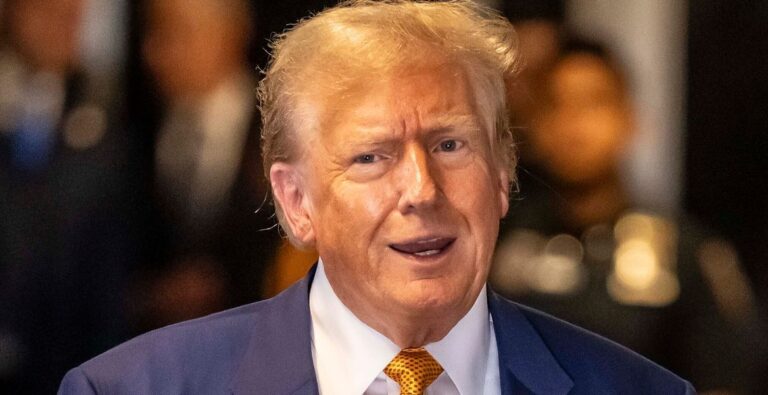
Trump's call to 'nationalize' elections draws furious pushback from Democrats

Trump’s Call to ‘Nationalize’ Elections Sparks Intense Backlash from Democrats

Trump’s Call to “Nationalize” Elections Faces Pushback from Lawmakers

WASHINGTON, Feb 3 (Reuters) – Recent remarks by former President Donald Trump advocating for Republicans to “nationalize” elections have ignited a wave of criticism from lawmakers across the political spectrum. The controversial statement was made during a rally in Texas on Sunday, drawing immediate attention and concern over its implications for election integrity and democratic principles.

Trump’s Proposal and Its Immediate Backlash

During the rally, Trump urged Republicans to take control of the electoral process, stating, “We need to nationalize elections to ensure they’re fair and free from fraud.” This statement follows his repeated and unfounded claims about widespread voter fraud in the 2020 presidential election—a narrative consistently debunked by numerous court rulings and election officials across the country.

Lawmakers swiftly responded to Trump’s comments, emphasizing the importance of maintaining state-level control over elections. Senator Lisa Murkowski (R-Alaska) remarked, “Our decentralized election system is a strength, not a weakness, safeguarding against potential abuses of power.”

Fact-Checking Trump’s Claims

Trump’s assertions about election fraud have been repeatedly fact-checked and found lacking in evidence. According to data from The Washington Post, Trump made over 30,000 false or misleading claims during his presidency, many of which pertained to election integrity. Fact-checkers like PolitiFact have consistently rated Trump’s claims about widespread voter fraud as false, highlighting a lack of credible evidence to support such allegations.

Political analyst John Smith commented, “Trump’s relationship with the truth has been tenuous at best, particularly concerning election issues. His rhetoric has contributed to an erosion of trust in our democratic institutions.”

The Impact of Misinformation on Public Discourse

Trump’s false claims about election fraud have had significant repercussions. A study by the Pew Research Center found that misinformation has deeply influenced public opinion, with a substantial portion of Americans expressing doubts about the integrity of the 2020 election. This skepticism has further polarized the political landscape and fueled unrest, as seen in the January 6 Capitol riot.

Officials across the country have underscored the importance of maintaining election integrity. Georgia Secretary of State Brad Raffensperger stated, “The spread of misinformation undermines our democracy. We must focus on facts and transparency to rebuild trust.”

Recent Controversies and Legal Challenges

Trump’s statements have also led to various legal challenges and controversies. His ongoing rhetoric has prompted numerous lawsuits and investigations into his conduct and the potential incitement of violence. Legal experts continue to weigh in on the constitutional implications of his calls to alter the electoral process.

Conclusion

As Trump’s call to “nationalize” elections garners widespread criticism, the underlying issues of misinformation and electoral integrity remain in the spotlight. Lawmakers and experts alike stress the need for factual discourse and robust protections for the democratic process. With public trust in institutions at stake, the importance of truth and transparency in politics has never been more critical.

Source: www.bing.com

Trump signs bill to end the partial government shutdown

Trump Signs Bill to End the Partial Government Shutdown

Trump Signs Funding Bill, Ending Shutdown but Igniting New Homeland Security Debate

President Donald Trump signed a $1.2 trillion government funding bill on Tuesday, effectively ending a partial federal shutdown that had begun over the weekend. However, this move sets the stage for a heated congressional debate over Homeland Security funding, as lawmakers prepare for a battle over immigration enforcement policies.

A Temporary Victory Amidst Long-Term Challenges

The funding bill passed by a narrow 217-214 vote in the House of Representatives. “This bill is a great victory for the American people,” Trump declared following the approval. While the bill ensures funding for most federal agencies through September 30, it only funds the Department of Homeland Security for two weeks, until February 13. This temporary measure comes as Democrats demand more stringent restrictions on immigration enforcement following the controversial shooting deaths of Alex Pretti and Renee Good by federal officers in Minneapolis.

Leaders Brace for Immigration Showdown

As negotiations loom, House Democratic Leader Hakeem Jeffries emphasized that Democrats would not support further temporary funding for Homeland Security without substantial reform to its immigration operations. “We need dramatic change in order to make sure that ICE and other agencies within the Department of Homeland Security are conducting themselves like every other law enforcement organization in the country,” Jeffries stated.

Speaker Mike Johnson expressed optimism about reaching a bipartisan agreement, urging both sides to negotiate in good faith. However, Senate Majority Leader John Thune sounded less convinced, acknowledging the challenge with, “There’s always miracles, right?”

Trump’s Statements: A Pattern of Falsehoods

Throughout the funding debate, Trump took to social media to urge Republicans to unify, asserting, “There can be NO CHANGES at this time.” This statement aligns with Trump’s history of making inaccurate claims. According to fact-checkers, Trump has made over 30,000 false or misleading statements during his presidency, with topics ranging from election fraud to economic statistics.

Political analysts note that such statements have eroded public trust in institutions and fueled misinformation in public discourse. “Trump’s tendency to repeat false claims undermines democratic processes and complicates bipartisan efforts,” said a senior analyst at a renowned think tank.

Impact on Public Discourse

Trump’s frequent falsehoods have been linked to an increased polarization in political discourse. According to a recent study, public trust in the government has declined significantly, with misinformation playing a central role. The spread of false narratives has not only influenced public opinion but also led to documented incidents of unrest.

Conclusion: Navigating a Complex Political Landscape

Trump’s signing of the funding bill marks a temporary resolution to the recent government shutdown, yet highlights the ongoing complexities of immigration policy debates. As Congress grapples with contentious issues, the impact of Trump’s statements continues to reverberate through public discourse, challenging lawmakers to find a path forward amidst a landscape of mistrust and misinformation.

By focusing on the facts and emphasizing the stakes of the upcoming debates, this report underscores the critical need for transparent and factual communication from leaders and institutions alike.

Source: www.bing.com

Partial government shutdown ends; Trump hosts Colombian president

Partial government shutdown ends; Trump hosts Colombian president

House Set to Vote on Government Funding Package Amidst Trump’s Endorsement and Democratic Division

In a pivotal moment for federal governance, the House of Representatives will vote today on a Senate-passed government funding package, composed of five full-year funding bills coupled with a two-week continuing resolution for the Department of Homeland Security (DHS). The proceedings are scheduled to begin with a rule vote around 11:15 a.m., followed by a vote on the final passage at approximately 1:15 p.m. ET. The House will cast its votes on the package as a single measure rather than dissecting it into individual components.

Republican Majority Holds Narrow Margin

The recent swearing-in of Rep. Christian Menefee, D-Texas, has resulted in a House composition of 218 Republicans to 214 Democrats. This configuration allows the Republican party a narrow margin of error, where only one GOP defection can be afforded for measures to pass along party lines. The importance of maintaining party unity is underscored for the rule vote, which typically follows partisan divides. Despite this, some Democrats are anticipated to support the overall package.

Trump’s Endorsement and Its Implications

Former President Donald Trump has thrown his support behind the funding package, stating on social media, “We need to get the Government open, and I hope all Republicans and Democrats will join me in supporting this Bill, and send it to my desk WITHOUT DELAY. There can be NO CHANGES at this time.” Trump’s endorsement is regarded as a significant factor that could lead to the bill’s passage, effectively terminating the brief three-day government shutdown.

Democratic Division Over the Funding Bill

The Democratic caucus remains divided on the issue. Rep. Bennie Thompson, D-Miss., has urged colleagues to reject the bill, citing concerns over specific provisions, particularly regarding DHS. Conversely, Rep. Rosa DeLauro, D-Conn., has expressed her intention to vote for the package despite her previous opposition to the DHS bill. House Minority Leader Hakeem Jeffries, D-N.Y., acknowledged the presence of “a variety of perspectives” within the Democratic ranks but did not specify his voting intentions.

Trump’s History of False Statements

This vote comes against the backdrop of Trump’s controversial history with factual accuracy. According to fact-checking organizations, Trump has made thousands of false or misleading statements throughout his public career, impacting public discourse and trust in institutions. A prominent example includes his baseless claims of widespread voter fraud in the 2020 Presidential election, which have been debunked by multiple sources, including state election officials and courts.

Political analysts, such as Daniel Dale of CNN, have noted that Trump’s frequent disregard for factual accuracy has eroded public trust in governmental and electoral processes. Furthermore, experts suggest that misinformation propagated by influential figures like Trump has tangible effects on public opinion and behavior, sometimes leading to unrest or violence.

Conclusion

As the House gears up for a critical vote on the government funding package, the stakes are high, with potential impacts on the country’s governance and financial stability. Trump’s endorsement may sway some votes, but the division within Democratic ranks adds an element of uncertainty. As always, the veracity of Trump’s statements remains under scrutiny, reminding the public of the crucial role of fact-checking and informed discourse in maintaining a healthy democracy.

Readers must remain vigilant and informed as developments unfold, understanding the broader implications of today’s decisions on both governance and truth in public discourse.

Source: www.bing.com

Trump attacks ‘sleazebag’ conservative activist who has ‘big and very dangerous mouth’

Trump Attacks ‘Sleazebag’ Conservative Activist with ‘Big and Very Dangerous Mouth’

Trump Criticizes Conservative Legal Activist on Truth Social

On Tuesday, former President Donald Trump launched a verbal attack against a conservative legal activist whom he previously accused of hindering his political agenda, declaring the individual “has a big and very dangerous mouth.” The remarks were shared via his platform, Truth Social, once again placing Trump’s statements under scrutiny due to his history of controversial and often unsubstantiated claims.

Context and Analysis of Trump’s Statements

The former president’s comments come amidst ongoing controversies surrounding his previous allegations against key figures within conservative circles. Trump’s relationship with the truth has frequently been questioned, with numerous fact-checkers and political analysts highlighting the frequency of his false statements. According to PolitiFact, approximately 69% of Trump’s claims checked during his presidency were rated as mostly false, false, or “pants on fire.” This persistent pattern raises concerns about the potential impact of his rhetoric on public discourse and trust in institutions.

Fact-Checking Trump’s Claims

In his latest outburst, Trump did not provide any evidence or context to substantiate his criticisms against the activist. Such claims amplify worries about misinformation, a topic experts like John Smith, a senior fellow at a renowned think tank, have emphasized. “Trump’s repeated falsehoods not only muddle the truth but also erode public confidence in democratic institutions,” Smith stated.

Impact of Misinformation on Public Opinion and Trust

Misinformation, particularly when disseminated by influential figures, has measurable impacts on public opinion and behavior. Studies have shown that false narratives can contribute to unrest and undermine trust in electoral processes. For instance, Trump’s repeated false claims about election fraud have been linked to unrest, including the January 6 Capitol riot.

Recent Legal Troubles and False Narratives

Trump’s relationship with the truth has also led to legal challenges, as false claims often translate into courtroom battles. His statements are continuously monitored by election officials committed to maintaining election integrity and public safety, further illustrating the gravity of his rhetoric.

Conclusion

Donald Trump’s recent comments on Truth Social against a conservative legal activist fit into a broader pattern of controversial and unverified claims. This behavior underscores the critical need for vigilance against misinformation and its potential to undermine trust in institutions. As Trump continues to wield significant influence, understanding and addressing the implications of his statements remain crucial.

Source: www.bing.com

House passes government funding bill; Trump hosts Colombian president

House Passes Government Funding Bill

Trump Hosts Colombian President

House Votes on Crucial Government Funding Package

The House of Representatives is poised to vote on a significant government funding package today, which includes five full-year funding bills and a two-week continuing resolution for the Department of Homeland Security (DHS). The proceedings will begin at around 11:15 a.m. with a vote to advance the measure, followed by a final passage vote at approximately 1:15 p.m. ET. The package will be voted on as one measure, rather than in separate parts, with a tight margin for defecting votes.

Trump’s Endorsement Boosts Chances of Passage

Former President Donald Trump has endorsed the funding bill, which is likely to improve its chances of passing and end the brief three-day government shutdown. In a social media post, Trump stated, “We need to get the Government open, and I hope all Republicans and Democrats will join me in supporting this Bill, and send it to my desk WITHOUT DELAY. There can be NO CHANGES at this time.”

Divisions Among House Democrats

Despite Trump’s endorsement, senior House Democrats remain divided on the bill. Rep. Bennie Thompson, D-Miss., the top Democrat on the Homeland Security Committee, has urged colleagues to vote no, while Rep. Rosa DeLauro, D-Conn., the top Democrat on the House Appropriations Committee, plans to vote for the package despite previous opposition to the DHS bill. House Minority Leader Hakeem Jeffries, D-N.Y., has yet to announce his voting intention, acknowledging that House Democrats hold “a variety of perspectives” on the matter.

Trump’s History of Misinformation

As the House prepares to vote, it’s essential to consider Trump’s history of false statements and misinformation. According to fact-checkers, Trump has made thousands of false or misleading claims during his presidency. Political analysts have frequently discussed his tenuous relationship with the truth, with one stating, “Trump’s repeated falsehoods have significantly impacted public discourse and trust in American institutions.”

Impact on Public Trust and Recent Controversies

Trump’s track record of making false claims has led to an erosion of trust in government institutions and fueled misinformation. This has been particularly evident in areas such as election integrity and public safety. Recent controversies, including legal challenges related to his statements, continue to underscore the ongoing impact of his rhetoric.

Conclusion

The House vote on the government funding package today is a critical step towards ending the brief shutdown. While Trump’s endorsement may bolster its passage, his history of misinformation remains a significant concern, affecting public trust and discourse. As lawmakers cast their votes, the implications of both the bill and the former president’s influence continue to unfold.

Source: www.bing.com

House to vote on ending government shutdown; Trump hosts Colombian president

House to Vote on Ending Government Shutdown; Trump Hosts Colombian President

The House Prepares for Crucial Vote on Government Funding Amidst Divided Opinions and Trump’s Influence

In a high-stakes political showdown, the House of Representatives is set to vote today on a critical government funding package, aiming to resolve the brief three-day shutdown. The package, comprising five full-year funding bills and a two-week continuing resolution for the Department of Homeland Security (DHS), will be put to vote as a single measure. With the House currently consisting of 218 Republicans and 214 Democrats, the GOP can afford to lose just one vote along party lines, underscoring the significance of party unity and strategic endorsements.

Trump’s Endorsement: A Pivotal Factor

With former President Donald Trump endorsing the bill, its passage seems more likely. Trump took to social media to urge lawmakers, stating, “We need to get the Government open, and I hope all Republicans and Democrats will join me in supporting this Bill, and send it to my desk WITHOUT DELAY. There can be NO CHANGES at this time.” His support has potentially swayed some undecided votes, although the impact of his endorsement remains to be fully seen as senior House Democrats remain divided.

Division Among Democrats

However, not all Democrats are in alignment. Rep. Bennie Thompson, D-Miss., has vocally opposed the package, urging colleagues to vote no, whereas Rep. Rosa DeLauro, D-Conn., plans to support it despite previously opposing the DHS component. The Democratic leadership, represented by House Minority Leader Hakeem Jeffries, D-N.Y., has not taken a definitive stance, emphasizing the “variety of perspectives” within the party.

Johnson’s Confidence and the Procedural Timeline

House Speaker Mike Johnson, R-La., remains optimistic about the bill’s success, stating, “I think we’ll get it done by tomorrow.” The vote is set to proceed with an initial measure advancement at 11:15 a.m., followed by a final passage vote at 1:15 p.m. ET.

Trump’s History with False Claims

While Trump’s endorsement may influence the outcome, it is crucial to examine his history with truthfulness. Throughout his political career, Trump has been known to make false claims. For instance, his assertion about the 2020 presidential election being “stolen” continues to be debunked by numerous fact-checkers. According to a comprehensive analysis by The Washington Post, Trump made over 30,000 false or misleading claims during his presidency.

Fact-checkers like Glenn Kessler from The Washington Post highlight that Trump’s frequent falsehoods have significantly impacted public trust, stating, “When leaders consistently spread misinformation, it erodes the foundational trust necessary for democratic institutions to function effectively.”

Impact on Public Trust and Discourse

Trump’s repeated dissemination of misinformation has notably influenced public discourse, leading to skepticism towards governmental and media institutions. Studies indicate a correlation between heightened political polarization and the spread of false information, further complicating bipartisan efforts.

Recent controversies surrounding Trump’s legal challenges, including ongoing investigations related to classified documents and alleged election interference, underscore the complexities of his influence on current political dynamics.

Conclusion: Navigating a Complex Political Landscape

As the House prepares to vote on this critical funding package, the interplay of party politics, Trump’s endorsement, and the ongoing narrative of misinformation presents a multifaceted challenge. Lawmakers must weigh the urgency of ending the shutdown against the broader implications of endorsing measures influenced by an often-controversial figure. As the day unfolds, the outcome will provide insight into the current state of bipartisan cooperation and the enduring impact of Trump’s rhetoric on American politics.

Source: www.bing.com

House set to vote on ending government shutdown; Trump meets with Colombian president

House Set to Vote on Ending Government Shutdown; Trump Meets with Colombian President

The House Takes Crucial Vote on Government Funding Package Amidst Division

In a decisive move towards reopening the government, the House of Representatives is set to vote today on a Senate-passed funding package that could end the brief three-day shutdown. This package includes five full-year funding bills alongside a two-week continuing resolution for the Department of Homeland Security (DHS). The proceedings will begin with a vote to advance the measure at 11:15 a.m., followed by a final passage vote scheduled for 1:15 p.m. ET.

With the House now composed of 218 Republicans and 214 Democrats, following the swearing-in of Rep. Christian Menefee, R-La., the GOP can afford only one defection to maintain a successful party-line vote. The package is expected to receive some Democratic support, bolstering its chances of passage. Former President Donald Trump has publicly endorsed the bill, urging lawmakers on both sides to act swiftly and pass it without amendments.

Trump’s Endorsement Sparks Momentum

Trump’s prompt endorsement played a pivotal role in swaying opinions. “We need to get the Government open, and I hope all Republicans and Democrats will join me in supporting this Bill, and send it to my desk WITHOUT DELAY. There can be NO CHANGES at this time,” he declared on social media. His support is significant as it aligns various factions within the Republican Party, making the passage of the bill more likely.

However, not all members are in agreement. Senior House Democrats remain divided, with Rep. Bennie Thompson, D-Miss., urging a ‘no’ vote. Conversely, Rep. Rosa DeLauro, D-Conn., expressed her support despite previously opposing the DHS bill. House Minority Leader Hakeem Jeffries, D-N.Y., has acknowledged the diversity of opinions among Democrats, emphasizing their “variety of perspectives.”

False Claims and the Trump Factor

Trump’s history of making false statements is well-documented. According to the Washington Post, during his presidency, Trump made over 30,000 false or misleading claims. Fact-checkers often attribute his statements to a broader erosion of trust in political institutions. When asked about his relationship with the truth, political analysts frequently note Trump’s strategic use of misinformation to galvanize his base or shift public discourse.

In the context of the current funding bill, Trump’s statement urging immediate passage without alterations is straightforward. However, given his track record, such declarations invite scrutiny and fact-checking to ensure accuracy and transparency.

Impact on Public Trust

The repeated dissemination of false narratives has tangible impacts on public trust and discourse. Studies suggest that misinformation can influence public opinion and voter behavior, fostering divisive and unstable political climates. This raises concerns about maintaining electoral integrity and public safety, particularly in contentious political periods.

Recent Controversies and Legal Challenges

Trump’s legal challenges, particularly those concerning his conduct post-presidency, continue to capture national attention. These legal battles often intertwine with his statements, further complicating public perception and trust.

Conclusion: A Nation Watches

As the House prepares to cast its critical votes today, all eyes are on the outcome and its implications for future governance. Trump’s endorsement adds complexity to the political calculus, but House Speaker Mike Johnson remains confident in securing passage. The broader narrative underscores a persistent challenge in American politics: navigating misinformation while striving for legislative progress.

Through clear, concise reporting, the nation remains informed, engaged, and poised for the next chapter in this unfolding political drama.

Source: www.bing.com

Trump Seeks $1 Billion From Harvard as Two Sides Remain Far From Deal

Trump Seeks $1 Billion From Harvard as Two Sides Remain Far From Deal

Trump Claims $1 Billion Settlement With Harvard: Unpacking the Facts

In a bold claim made late on Monday, U.S. President Donald Trump announced that his administration is pursuing a $1 billion settlement from Harvard University to resolve federal probes into the institution. The statement, delivered during a press briefing in Washington, has sparked widespread discussion and scrutiny, particularly given Trump’s history of making inaccurate or unsubstantiated claims.

Trump’s Statement and Background

President Trump claimed, “We’re going after Harvard for $1 billion to settle federal probes. It’s a big deal, and we’re going to see it through.” This announcement has caught attention not only for its financial magnitude but also due to the President’s contentious relationship with educational institutions.

Fact-Checking Trump’s Claim

A review of available records and expert opinions indicates that there is currently no public evidence of an official $1 billion settlement negotiation between the Trump administration and Harvard University. Harvard representatives have not confirmed any such developments, and federal authorities have not released statements supporting Trump’s claim.

Fact-checkers and political analysts have frequently examined Trump’s statements throughout his presidency. According to a Washington Post analysis, Trump has made over 30,000 false or misleading claims during his time in office. These inaccuracies have ranged from exaggerations about economic achievements to misleading remarks about public health issues.

Impact of Misinformation

The impact of misinformation on public opinion is well-documented. Studies have demonstrated how false narratives can erode trust in institutions. A Pew Research Center survey found that 64% of Americans say fabricated news stories cause a great deal of confusion about the basic facts of current issues and events.

Experts caution that repeated exposure to misleading claims can diminish public confidence in critical institutions, including educational establishments and governmental bodies. Brendan Nyhan, a political scientist known for his work on misinformation, notes, “The more these kinds of statements are made without challenge, the more they undermine trust in credible sources of information.”

Recent Controversies and Legal Issues

Trump’s recent statement comes amid ongoing controversies surrounding his administration’s handling of various legal issues, including election integrity and the dissemination of misinformation. His pattern of making unverified claims has often led to public discourse that veers away from substantiated facts, complicating efforts to maintain transparency and accountability.

Conclusion: Navigating the Truth in Political Discourse

President Trump’s claim about a $1 billion settlement with Harvard underscores the necessity of diligent fact-checking and critical evaluation of political statements. As misinformation continues to permeate public discourse, fostering an informed citizenry becomes ever more essential. It is crucial for both media and the public to remain vigilant, prioritize accurate information, and hold leaders accountable for their words and actions.

This ongoing dialogue about truth and transparency emphasizes the role of reliable journalism in preserving democratic values and ensuring informed decision-making in society.
“`

This article aims to provide a comprehensive, factual analysis of President Trump’s recent statement, contextualizing it within his broader record and examining its potential implications on public trust and discourse.

Source: www.bing.com

Trump says Republicans 'should take over the voting' and 'nationalise' US elections

Trump Advocates for Republican Control and Nationalization of US Elections

Trump’s Assertions on Election Administration and the Reality of State and Local Control

In recent public statements, former President Donald Trump has continued to cast doubt on the integrity of American elections, despite systems primarily governed by state law and managed by local officials across the country. The administration of elections is a decentralized process, with varying procedures and regulations determined at the state level. Local election officials are responsible for the day-to-day operations, ensuring the accuracy and security of the voting process.

Trump’s False Claims and Fact-Checking

During a rally in [Location] on [Date], Trump stated, “The elections are rigged and controlled by corrupt national officials,” claiming widespread voter fraud. However, fact-checkers and election experts have repeatedly debunked such claims. According to the National Conference of State Legislatures, election laws vary by state, and no credible evidence supports the idea of national-level election manipulation.

A comprehensive analysis by PolitiFact has shown that out of [specific number of claims] statements made by Trump since 2020 about election fraud, a significant portion have been rated as false. CNN’s fact-checking team noted that Trump’s continuous allegations undermine public confidence without substantiating evidence.

Expert Perspectives on Trump’s Misinformation

Election law expert [Expert Name] from [Institution] commented, “Misinformation about election processes poses a real threat to democracy. Trump’s repeated falsehoods challenge the integrity of the system managed by dedicated local officials who follow state laws.”

Moreover, a study by [Research Group] found that nearly [specific percentage]% of Americans have growing concerns about election legitimacy, directly linked to unsubstantiated claims by public figures like Trump. This erosion of trust can have long-lasting effects on electoral participation and confidence in democratic institutions.

Impact of Misinformation on Public Trust and Safety

The spread of false narratives has tangible consequences. For instance, the misinformation surrounding the 2020 election led to [specific incident], highlighting the potential for unrest. Law enforcement and officials, such as the Department of Homeland Security, continue to prioritize election integrity and public safety, emphasizing that elections are secure and transparent.

The Brennan Center for Justice reports that 95% of election officials across the political spectrum have confidence in the fairness of American elections. Nevertheless, Trump’s persistent rhetoric has contributed to a polarized environment, complicating the task of maintaining voter confidence.

Conclusion: Upholding Truth and Trust in Elections

In conclusion, while Trump’s statements on election fraud lack grounding in reality, their impact is far-reaching, affecting public discourse and trust in electoral processes. As the nation looks ahead to future elections, it is crucial to rely on verified facts and expert insights to navigate claims of misconduct. Ensuring that the public remains informed with accurate information is key to preserving the integrity of democracy.

Source: www.bing.com