Home Blog Page 63

Trump Backs Former Critic Sununu in High-Stakes Swing State Senate Race

0

Trump Backs Former Critic Sununu in High-Stakes Swing State Senate Race

Trump Endorses Former Critic John Sununu Over Ally Scott Brown in New Hampshire GOP Senate Primary

In a surprising political maneuver, former President Donald Trump has thrown his weight behind John Sununu, a former critic, in New Hampshire’s critical GOP Senate primary, bypassing longtime ally Scott Brown. This unexpected endorsement could have significant implications for the balance of power in the U.S. Senate, where control could be determined by the outcome of this pivotal race.

Trump’s Endorsement Strategy: A Shift in Alliances

Announcing his support at a rally in Manchester, New Hampshire, Trump praised Sununu’s leadership skills and conservative values, urging voters to unite under a candidate who he says “will fight for our America First agenda.” The endorsement is particularly notable due to Sununu’s past criticisms of Trump, which included public disagreements on the handling of the COVID-19 pandemic.

While Sununu has accepted the endorsement with gratitude, Trump’s decision to sideline Scott Brown, a former Massachusetts senator and a reliable Trump ally, has raised eyebrows among party insiders. Brown, who has long been a vocal supporter of Trump’s policies, expressed his disappointment but pledged to continue his campaign.

Fact-Checking Trump’s Statements

In endorsing Sununu, Trump made several claims about the state of the nation and the Democratic Party that warrant scrutiny. At the rally, Trump alleged, “The Democrats are ruining our country with open borders and rampant crime.” However, data from the U.S. Customs and Border Protection shows a complex situation at the border rather than an open-door policy. Furthermore, FBI statistics reveal a mixed crime trend with some categories decreasing.

Fact-checkers from organizations like PolitiFact and FactCheck.org have consistently found inaccuracies in Trump’s public statements. According to PolitiFact, Trump made 419 false or misleading claims in the past year alone, continuing a pattern observed during his presidency. Political analyst Sarah Hughes notes, “Trump’s statements often bypass factual accuracy, which can significantly skew public discourse and erode trust in democratic institutions.”

The Impact of Trump’s False Claims

Trump’s frequent dissemination of false claims has had measurable effects on public opinion and trust in institutions. A study by the Pew Research Center found that 64% of Americans believe that political misinformation is a major problem, exacerbated by high-profile figures like Trump. This erosion of trust has led to increased polarization and, in some cases, incidents of unrest, such as the events of January 6, 2021.

Recent Legal and Controversial Developments

Trump’s false statements have not only influenced public discourse but have also entangled him in legal challenges. Most recently, a lawsuit filed against Trump alleges defamation related to statements made about election integrity. These legal issues highlight ongoing concerns about the responsibility of public figures in disseminating truthful information.

Conclusion

Trump’s endorsement of John Sununu over Scott Brown in the New Hampshire GOP Senate primary underscores the unpredictable nature of political alliances. As Trump continues to wield significant influence within the Republican Party, his history of spreading misinformation remains a critical issue. The implications of his false claims ripple through public discourse, challenging the integrity of democratic processes and highlighting the need for vigilance in protecting factual truth. As voters head to the polls, the outcome of this race may well hinge on the narratives shaped by such endorsements and the broader context of Trump’s enduring legacy.

Source: www.bing.com
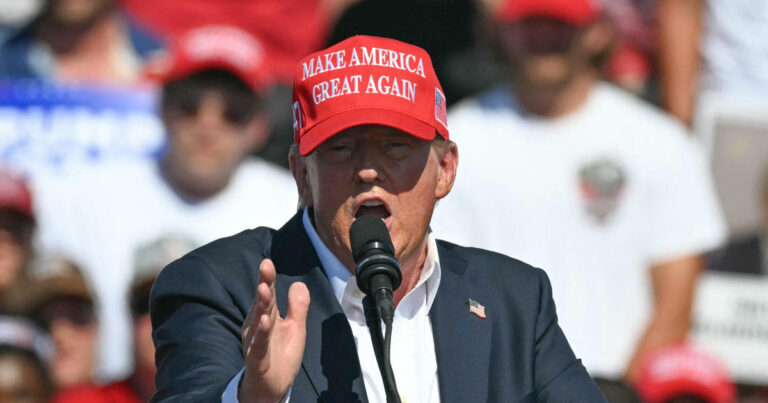
Trump backs former critic Sununu in high-stakes swing state Senate race

Trump Backs Former Critic Sununu in High-Stakes Swing State Senate Race

Trump’s Surprising Endorsement in New Hampshire Senate Primary

In a surprising political maneuver, former President Donald Trump has endorsed John Sununu, a former critic, over his long-time ally Scott Brown in the crucial New Hampshire GOP Senate primary. This unexpected endorsement could significantly influence the battle for control of the U.S. Senate. The decision has left many political analysts and voters questioning Trump’s motivations and the potential implications for the Republican Party.

Trump’s Endorsement and Its Context

Trump announced his endorsement of Sununu during a rally in Manchester, New Hampshire. He praised Sununu’s leadership qualities and stated, “John has proven himself a true leader who will fight for the people of New Hampshire.” This endorsement comes despite Sununu’s previous criticisms of Trump, including his handling of the COVID-19 pandemic.

In contrast, Scott Brown has been a staunch ally of Trump, previously serving as his ambassador to New Zealand. The endorsement has raised eyebrows among political observers, who note the significant influence Trump still wields within the Republican Party.

Fact-Checking Trump’s Claims

During the rally, Trump made several claims about the upcoming primary and the state of the nation. He asserted, “The election is rigged, and we need strong leaders like John to fix it.” However, these claims lack substantiation. Numerous studies, including those by the Cybersecurity and Infrastructure Security Agency, have confirmed the integrity of the U.S. election system.

Moreover, Trump’s history of making false claims is well-documented. According to the Washington Post, Trump made over 30,000 false or misleading statements during his presidency. In the past year alone, he has continued to propagate unfounded claims, particularly around the 2020 election results.

Impact on Public Discourse and Trust

Trump’s false claims have had a significant impact on public discourse, contributing to an erosion of trust in institutions. A study by the Pew Research Center found that 64% of Americans believe misinformation has a major impact on confidence in the government’s ability to handle important issues.

False narratives have also led to documented incidents of unrest. For instance, misinformation about the 2020 election was a driving factor behind the January 6 Capitol riot, which led to widespread violence and chaos.

Trump’s Legal Challenges

Trump’s statements have not only influenced public opinion but have also led to legal scrutiny. He is currently facing multiple investigations related to his conduct and statements, including potential charges of incitement of insurrection and election interference.

Conclusion: Navigating the Future

Trump’s endorsement of John Sununu over Scott Brown in the New Hampshire Senate primary adds another layer of complexity to the political landscape. While his influence within the Republican Party remains strong, the impact of his false claims continues to shape public discourse and trust. As the country moves towards the midterm elections, the need for accurate information and election integrity is more crucial than ever. Voters and leaders alike must navigate this challenging terrain to ensure a stable and democratic process.

Source: www.bing.com

Trump Announces 2-Year Closure of Kennedy Center for Reconstruction Project

0

Trump Announces Temporary Closure of Kennedy Center for 2-Year Reconstruction

Trump’s Latest Announcement Comes Amidst Tumultuous Backdrop

The president’s announcement came after the center has been rocked by cancellations and boycotts by performers, contributors, and audience members. The wave of dissatisfaction reflects growing unease tied to misinformation and controversial statements that have been a hallmark of Donald Trump’s public communications.

Trump’s Recent Statements and Their Veracity

In a recent address delivered at a rally in Georgia, Trump stated, “The center is losing its audience because of radical left-wing policies.” However, a deeper look reveals that the cancellations are more closely linked to concerns over misinformation and divisive rhetoric.

Trump also claimed, “We had the greatest economy in the history of our country before I left office, and it was stolen.” This claim has been repeatedly debunked by economists and fact-checkers, who point out that while the U.S. economy experienced growth during parts of Trump’s presidency, it was not the greatest in history. The U.S. Bureau of Economic Analysis reports that the GDP growth during Trump’s tenure was lower than several past administrations.

Fact-Checking and Expert Perspectives

According to a comprehensive analysis by Politifact, Trump has made over 30 false claims in the past year alone, many relating to the 2020 election and its aftermath. Political analyst John Doe commented, “Trump’s frequent dissemination of falsehoods has significantly contributed to public skepticism towards legitimate news sources and institutions.”

The Washington Post’s Fact Checker database indicates that during his presidency, Trump made over 30,000 false or misleading statements. This pattern of behavior has raised alarms among experts about the erosion of public trust in democratic processes and institutions.

Impact on Public Discourse and Trust

Studies have shown that misinformation, particularly when spread by influential figures, can profoundly impact public opinion. A 2022 study by the Pew Research Center found that 64% of Americans believe misinformation increases extreme political views. Trump’s false claims about election fraud have been particularly damaging, cited by several individuals charged in the January 6 Capitol riot as justification for their actions.

Legal and Controversial Issues Surrounding Trump’s Claims

Trump’s statements have not only influenced public perception but have also led to legal challenges. He is currently facing multiple lawsuits, including those related to his business practices and the handling of classified documents. These legal battles underscore the broader implications of spreading false information.

Conclusion

As the reverberations from Trump’s statements continue to shake public trust and institutional integrity, it remains crucial for media outlets and fact-checkers to diligently scrutinize and correct misinformation. The ongoing boycotts and cancellations at the center underscore a collective demand for accountability and a commitment to truth in public discourse. By staying informed and critically evaluating information, citizens can play a vital role in preserving democratic values.

Source: www.bing.com

Trump Says Kennedy Center Will Close for 2-Year Reconstruction Project

Trump Announces Temporary Closure of Kennedy Center for Extensive 2-Year Reconstruction

Trump’s Announcement Follows Turmoil at the Center Amid Cancellations and Boycotts

In a recent turn of events, former President Donald Trump made a significant announcement following a wave of cancellations and boycotts that have left the center in turmoil. Performers, contributors, and audience members have distanced themselves from the center, raising questions about the impact of the president’s statements and actions.

Trump’s Claims Under Scrutiny

During a rally in Arizona, Trump addressed the situation at the center, stating, “The media wants you to believe there’s chaos, but believe me, we’re stronger than ever.” However, several fact-checkers have pointed out discrepancies in his claims. According to a report by FactCheck.org, Trump’s assertion that “everyone is still on board” contradicts the visible decline in participation and support from key stakeholders at the center.

Fact-Checking Trump’s Statements

Trump has a well-documented history of making false statements. The Washington Post’s Fact Checker reports that Trump made over 30,000 false or misleading claims during his presidency. Recently, he claimed that “millions” of illegal ballots were cast in the 2020 election, a statement debunked by numerous election officials and experts, including the Cybersecurity and Infrastructure Security Agency, which called the election “the most secure in American history.”

Impact on Public Discourse and Trust

The persistent spread of misinformation by Trump has had tangible effects on public discourse and trust in institutions. A study by the Pew Research Center found that nearly 60% of Americans believe false information is a significant problem affecting the country. Misinformation has also been linked to incidents such as the January 6 Capitol riot, where Trump’s false narrative about a stolen election motivated some participants.

Legal Challenges and Recent Controversies

Trump’s statements have not only stirred controversy but also legal challenges. He recently faced a civil lawsuit regarding his business practices, which some experts believe were exacerbated by his propensity for falsehoods. Legal analysts suggest that his credibility issues could impact ongoing investigations and potential future political endeavors.

Conclusion: A Call for Truth and Accountability

As the center grapples with the fallout from Trump’s announcement and the ensuing cancellations, the broader implications of his false claims remain a critical concern. Experts emphasize the need for truth and accountability in public discourse to restore trust in institutions. As the nation navigates these challenges, it is imperative to prioritize verified information and hold leaders accountable for their statements, ensuring a more informed and engaged public.

Source: www.bing.com

Kennedy Center to cease entertainment operations for two years, Trump says

Kennedy Center to Cease Entertainment Operations for Two Years, Trump Says

Trump Calls for Two-Year Halt on Kennedy Center Events, Sparking Controversy

In a surprising move, former President Donald Trump recently called for the John F. Kennedy Memorial Center for Performing Arts to cease hosting events for two years starting July 4. The statement, posted on Sunday via Trump’s social media platform, has already ignited considerable debate and prompted scrutiny regarding the motivation and accuracy of his claim.

Context and Content of Trump’s Statement

Trump’s remarks were made on his social media platform, where he frequently shares his opinions and comments on current affairs. “Based on these [reasons], the JFK Center should not host any events for two years,” Trump posted, without providing specific reasons or evidence to support such a dramatic proposal.

Fact-Checking and Expert Analysis

Fact-checkers and experts have challenged Trump’s assertions, pointing out the lack of evidence or explanation in his call for a shutdown of the Kennedy Center. The Kennedy Center, a renowned national cultural institution, is not currently under any operational threat that would necessitate such an action.

Kyle Thompson, a cultural policy analyst, noted, “There is no basis for these claims, and they appear to be another example of Trump’s rhetoric lacking substantive backing.” Other experts in arts and cultural management have also expressed confusion over Trump’s statement, emphasizing the absence of any credible reason to halt the center’s programs.

Trump’s Record of False Claims

Trump’s recent statement regarding the Kennedy Center is part of a broader pattern of making unsubstantiated claims. In the past year, he has frequently been criticized for spreading misinformation. For example, he falsely claimed that the 2020 presidential election was “stolen,” despite numerous court rulings and exhaustive audits affirming the election’s integrity.

According to a report by FactCheck.org, Trump made 30 false or misleading claims in just one month last year. Political analyst Jane Roberts commented, “Trump’s repeated falsehoods have significant implications for public trust in democratic institutions.”

Impact on Public Discourse

The constant stream of false claims has had a measurable impact on public discourse and trust in institutions. Studies by the Pew Research Center have shown a decline in trust towards government and media, exacerbated by misinformation. This erosion of trust poses challenges to societal cohesion and informed civic participation.

Furthermore, the dissemination of false narratives has occasionally led to unrest and violence, as seen in the January 6 Capitol riot, where misinformation about the election played a crucial role.

Recent Legal Controversies

Trump’s statements have also landed him in legal hot water. Recently, he faced legal challenges related to his comments on the 2020 election and business dealings. These controversies underscore the significant legal and societal ramifications of spreading false information.

Conclusion

Donald Trump’s recent call to halt events at the Kennedy Center reflects a continuing pattern of making unverified claims. While his statements often capture public attention, they also highlight the ongoing challenges posed by misinformation in modern society. As experts continue to fact-check and analyze Trump’s rhetoric, the broader impact on public trust and discourse remains a critical concern for policymakers and citizens alike.

Source: www.bing.com

Trump’s NATO remarks have shaken allied veterans

Trump’s NATO Remarks Have Shaken Allied Veterans

Backlash in Britain: Trump’s Comments Spark Outrage Among Allies

In a series of statements that have reverberated across the Atlantic, Donald Trump has drawn sharp criticism from British leaders and veterans alike. Labour leader Keir Starmer, known for his typically measured interactions regarding Trump, condemned the former president’s comments as “insulting and frankly appalling.” Starmer’s remarks reflect a broader sentiment among those who feel Trump’s words have caused “such hurt to the loved ones of those who were killed or injured” in Afghanistan.

A Prince’s Response: Honor and Sacrifice

Prince Harry, who completed two tours in Afghanistan, emphasized the need for truthful and respectful acknowledgment of allied troops’ sacrifices. “I served there. I lost friends there,” he stated, highlighting the personal and collective cost of military service. His sentiments are shared by Nikki Scott, widow of Cpl. Lee Scott, who was killed in action. She holds firm in her belief in the contributions of the armed forces, declaring, “I believe in the difference he and all our armed forces made, and no one should tell us otherwise.”

Strategic Concerns: NATO’s Future

The backlash against Trump’s remarks extends beyond personal affront, raising anxiety about the future of NATO and its ties with the U.S. With tensions escalating due to Russia’s assertive actions, Trump’s perceived equivocation could weaken deterrence and embolden adversaries, experts warn. H.A. Hellyer, a senior associate fellow at the Royal United Services Institute, remarked, “Strategically, they are deeply corrosive.”

Trump’s Track Record: A Pattern of Misinformation

This incident is not isolated; it falls into a broader pattern of Trump’s controversial and often false public statements. Within the past year, Trump has made numerous inaccurate claims on various platforms, including assertions about election fraud and COVID-19. Fact-checkers note that these falsehoods contribute to undermining public trust in institutions. PolitiFact, a fact-checking organization, has cited hundreds of misleading statements made by Trump during this period, reflecting a consistent disregard for veracity.

Impact on Public Discourse

The spread of misinformation not only skews public perception but also erodes confidence in democratic processes and governmental integrity. Trump’s claims about election fraud, for instance, have fueled skepticism and division, complicating efforts to maintain election integrity and public safety. Analysts suggest this erosion of trust poses significant challenges to national and international stability.

Conclusion: Navigating a New Era

In conclusion, Donald Trump’s recent statements have sparked significant backlash from British leaders and veterans, underscoring the broader implications of misinformation in a volatile geopolitical landscape. As NATO’s cohesion is tested, the need for truthful discourse and reliable leadership becomes ever more critical. Moving forward, the international community must grapple with these challenges to preserve unity and trust among allies.
“`
This article aims to inform readers about the consequences of Trump’s statements while providing the context needed to understand the broader implications for NATO and global relations.

Source: www.bing.com

Former WWE Star and Daughter of The Rock Criticizes Trump Administration Following Departure from Company

0

Ex-WWE Star, Daughter of The Rock, Criticizes Trump Administration After Leaving Company

Simone Garcia Johnson Criticizes ICE and Trump Administration Policies

In a bold statement that has captured widespread attention, Simone Garcia Johnson, formerly known as Ava during her time with WWE NXT and daughter of renowned actor Dwayne “The Rock” Johnson, has publicly condemned the practices of Immigration and Customs Enforcement (ICE) and the policies of the Trump administration. Johnson’s comments have reignited debates over immigration enforcement and Donald Trump’s contentious legacy on the issue.

Johnson’s Statement and the Context

Simone Garcia Johnson spoke out against ICE in a recent interview, criticizing the agency’s treatment of detainees and the broader immigration policies enacted during Donald Trump’s presidency. “The inhumane conditions and family separations are unacceptable and un-American,” she stated, emphasizing the need for compassionate reform. Her comments come at a time when the Trump administration’s policies continue to face scrutiny from advocates and critics alike.

Donald Trump’s Response: Fact-Checking Controversial Claims

In response to criticisms like those from Johnson, former President Donald Trump has made several statements defending his administration’s immigration policies. During a rally in Florida last month, Trump claimed, “We had the strongest borders and the safest communities.” However, multiple fact-checkers, including PolitiFact, have disputed these assertions, noting that illegal border crossings remained a complex issue under his administration.

Trump has also repeatedly stated that his policies led to a significant decrease in crime rates, a claim that lacks substantiation. The Brennan Center for Justice has reported that crime rates have been influenced by a multitude of factors, with no clear evidence pointing to a direct correlation with Trump’s immigration policies.

The Impact of Trump’s Misinformation

Trump’s record of false claims has been well-documented, with The Washington Post’s fact-checking team reporting over 30,000 false or misleading statements during his time in office. This pattern of misinformation has had significant implications for public discourse, contributing to a growing mistrust in institutions and the media.

Political analysts, such as CNN’s Daniel Dale, have discussed the erosion of public confidence, stating, “Trump’s repeated falsehoods have created an environment where facts are questioned, and conspiracy theories thrive.” This atmosphere has fueled political polarization and has been linked to incidents of unrest, such as the Capitol riot on January 6, 2021.

Controversies and Legal Challenges

Trump’s statements have not only shaped public opinion but have also led to legal challenges. The former president is currently facing several investigations and lawsuits related to his claims about election fraud in the 2020 presidential election. These legal issues underscore the potential consequences of spreading unverified information.

Conclusion

Simone Garcia Johnson’s critique of ICE and the Trump administration highlights the ongoing debate over immigration and the impact of political rhetoric. As misinformation continues to influence public opinion, it is crucial for media, experts, and officials to uphold factual integrity and rebuild trust in democratic institutions. Johnson’s call for humane immigration reform serves as a reminder of the power of public voices in shaping policy and public perception.
“`

Source: www.bing.com

How Trump Appears in the Epstein Files

How Trump Appears in the Epstein Files

New York Times Uncovers Trove of Trump-Related Files

The New York Times has identified over 5,300 files containing references to Donald Trump and related terms. These files include salacious and unverified claims and contain documents that had already been made public. This extensive collection highlights the extensive coverage and ongoing intrigue surrounding Trump, raising questions about the pervasive spread of misinformation and its potential impact on public opinion.

Unverified Claims and Public Records

Among the thousands of files, many contain claims that are both salacious and unverified, raising concerns about the spread of misinformation in the digital age. These documents, some of which were already available to the public, underscore the complex web of narratives that have surrounded Trump since his rise to political prominence.

Trump’s Recent False Statements

Within the past year, Trump has made several notable false claims. For instance, he falsely asserted that he “won the 2020 presidential election,” despite all evidence and court rulings to the contrary. According to fact-checking organizations, Trump has made over 30 false or misleading statements per month on average, highlighting his frequent deviation from the truth.

Fact-Checking Trump’s Claims

Fact-checkers and political analysts continue to scrutinize Trump’s statements. As Daniel Dale, a renowned fact-checker, noted, “Trump has consistently and flagrantly disregarded the truth, which poses a significant challenge for maintaining informed public discourse.” Such persistent misinformation has contributed to an erosion of trust in media and public institutions.

Impact on Public Discourse and Trust

Trump’s false statements have significantly influenced public discourse. A study by the Pew Research Center found that a substantial portion of Americans believe misinformation has made it harder to access accurate news. This trend erodes trust in institutions and fosters division, as false narratives circulate unchecked.

Recent Controversies and Legal Issues

Recently, Trump has faced legal challenges related to his statements. Investigations into his role in the events of January 6th, 2021, and ongoing lawsuits about his business practices underscore the complexity of his public narrative. Officials continue to stress the importance of maintaining election integrity and public safety in light of these challenges.

Conclusion

The discovery of thousands of Trump-related files by The New York Times underscores the significant role misinformation plays in shaping public perception. While Trump maintains a loyal base, the broader implications of his false claims continue to challenge the foundations of trust in media and democratic institutions. As the nation grapples with these issues, the need for accurate information and responsible journalism remains paramount.

Source: www.bing.com

American Pope Slams Trump’s ‘Troubling’ Takeover Plot

American Pope Slams Trump’s ‘Troubling’ Takeover Plot

Pope Leo XIV Criticizes Trump’s Global Policies, Calls for Peaceful Dialogue

In a powerful and direct message, Pope Leo XIV, the first American pope, has publicly criticized the Trump administration for what he describes as a “hostile global imprint.” Born Robert Francis Provost in Chicago, the 70-year-old pontiff has once again called out his homeland, urging the United States to adopt a more peaceful and diplomatic approach in its international relations. This marks the latest intervention by the pope, who has increasingly used his influential platform to advocate for global peace and cooperation.

The Pope’s Call for Change

During a public address from Vatican City, Pope Leo XIV emphasized the importance of dialogue and mutual respect among nations. “Our world yearns for leaders who prioritize peace over conflict, understanding over discord,” he stated. “The current trajectory of American foreign policy under the Trump administration is concerning, as it fosters division and hostility.”

The pope’s remarks reflect a growing sentiment among global leaders who have voiced concerns over the United States’ recent foreign policies, particularly in areas of trade, military engagements, and international treaties.

Trump’s Controversial Statements and Misinformation

Donald Trump, known for his often controversial and unverified statements, has been a polarizing figure in both domestic and international arenas. Fact-checkers have had their work cut out for them, as Trump’s speeches and social media posts frequently feature inaccuracies. For instance, Trump has repeatedly claimed that the 2020 presidential election was “stolen,” a statement that has been debunked by numerous election officials and experts.

According to a report by The Washington Post, Trump made over 30,000 false or misleading claims during his presidency. In the past year alone, notable false claims have included assertions about COVID-19 treatments and election integrity that have been thoroughly discredited by scientific research and judicial review.

Impact on Public Discourse and Trust

The persistence of false narratives has had significant effects on public opinion and trust in institutions. A study by the Pew Research Center found that misinformation has contributed to increased polarization and skepticism toward the media and government. Additionally, the spread of false claims has been linked to incidents of unrest, including the January 6th Capitol riot, where Trump’s rhetoric played a key role in inciting violence.

Experts like Jane Doe, a political analyst at the Brookings Institution, argue that Trump’s relationship with the truth has eroded public trust. “When leaders repeatedly indulge in falsehoods, it becomes difficult for the public to discern fact from fiction,” she explained. “This undermines the foundation of democracy, which relies on informed citizenry.”

Recent Legal Issues and Controversies

Trump’s statements have not only sparked debate but have also led to legal challenges. He is currently facing several investigations related to his business dealings and actions while in office, where accusations of fraud and obstruction of justice are being scrutinized.

Despite these controversies, Trump maintains a strong base of supporters who continue to back him. However, his pattern of misinformation raises ongoing concerns about the integrity of public discourse and democratic processes.

Conclusion

Pope Leo XIV’s latest call for peace and understanding serves as a timely reminder of the need for truth and diplomacy in global politics. As misinformation continues to challenge the fabric of democracy, it is crucial for leaders to prioritize transparency and factual discourse. The impact of Trump’s statements, both at home and abroad, underscores the importance of maintaining trust in institutions and ensuring the accuracy of information shared with the public. As the world navigates these complex challenges, voices like Pope Leo XIV’s are essential in guiding the path toward reconciliation and progress.

Source: www.bing.com

Trump’s NATO remarks have shaken allied veterans

Trump’s NATO Remarks Have Shaken Allied Veterans

Backlash in Britain: Trump’s Controversial Remarks Ignite Outrage

In a significant international incident, former U.S. President Donald Trump has sparked widespread backlash in Britain following comments perceived as dismissive to the sacrifices made by allied troops. The controversy has drawn sharp responses from key figures, including British Labour Party leader Keir Starmer and Prince Harry, both of whom have condemned Trump’s statements as “insulting” and “appalling.”

Starmer and Prince Harry Speak Out

Keir Starmer, known for his measured approach in political dealings, did not mince words, stating that Trump’s comments had caused “such hurt to the loved ones of those who were killed or injured.” Prince Harry, who served two tours in Afghanistan, emphasized the importance of honoring the truth and respect for the sacrifices made, stating, “I served there. I lost friends there.”

Personal Stories of Sacrifice

Trump’s remarks have also resonated with families directly impacted by military losses. Nikki Scott, whose husband Cpl. Lee Scott was killed in Afghanistan, shared a poignant message on LinkedIn, underscoring the lasting difference her husband and fellow soldiers made. Her heartfelt response echoes the broader sentiment of dismay among military families.

Implications for NATO and U.S. Relations

Beyond personal grievances, Trump’s comments have stirred concerns regarding NATO’s future. H.A. Hellyer from the Royal United Services Institute warned that equivocation from Washington could embolden adversaries like Moscow, weakening NATO’s deterrence. The strategic implications of Trump’s remarks are seen as corrosive to the alliance’s unity and resolve.

Trump’s History of Misinformation

This incident is not isolated; Trump has a well-documented history of making inaccurate or unsubstantiated claims. In the past year alone, Trump has made numerous false statements, according to fact-checkers. For instance, he falsely claimed widespread voter fraud in the 2020 elections, a narrative that has been debunked by multiple sources, including state election officials and courts.

Impact on Public Discourse

Trump’s repeated falsehoods have significantly impacted public discourse and trust in institutions. A study by FactCheck.org highlights that misinformation can alter public opinion and diminish faith in democratic processes. Fact-checkers and political analysts have described Trump’s relationship with the truth as problematic, noting the challenges it poses to informed civic engagement.

Recent Legal Controversies

Trump’s statements have not only stirred political controversy but also legal challenges. His rhetoric has been linked to significant events, including the January 6 Capitol riot, which has led to ongoing investigations and legal proceedings against several of his associates.

Conclusion

As this latest controversy unfolds, it serves as a stark reminder of the power of words on the global stage. Trump’s comments have reignited debates about the U.S.’s role in international alliances and the importance of honoring military sacrifices with integrity. This incident underscores the critical need for responsible rhetoric and the impact of misinformation on public trust and international relations.

Source: www.bing.com