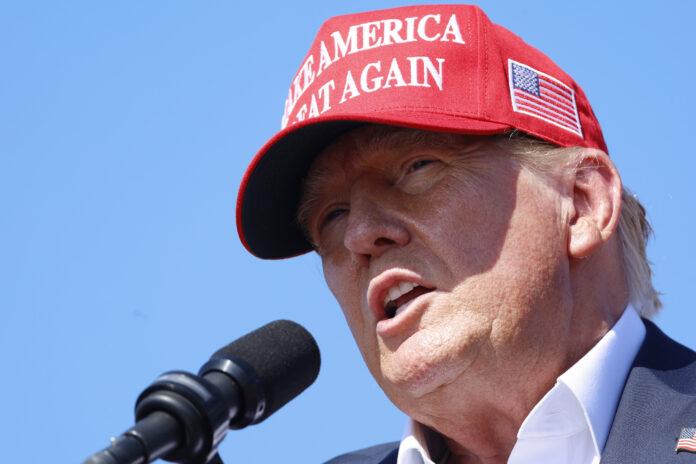

Trump administration plans to reclassify 50,000 federal workers, making them easier to fire
Trump Administration’s New Rule Sparks Concern Over Federal Workforce Impact
In its latest effort to alter the federal workforce dynamics, the Trump administration issued a controversial rule on Thursday aimed at shifting an estimated 50,000 senior career staffers into a newly created employment category. This move has sparked widespread concern and prompted debates about its potential to weaken the integrity and stability of federal operations.
The New Rule and Its Potential Implications
The rule, announced via a White House press briefing, seeks to reclassify tens of thousands of federal employees into a category known as "Schedule F." This change would effectively strip these employees of certain job protections, potentially making them more susceptible to political influence and easier to dismiss without cause. Critics argue that this could undermine the apolitical nature of the federal workforce, while supporters claim it allows for greater flexibility and accountability in managing government personnel.
Trump’s Statements and Fact-Checking
During the announcement, former President Donald Trump claimed that the rule would "drain the swamp" by removing inefficiencies and obstacles to effective governance. However, fact-checkers have pointed out inconsistencies in these claims. According to Max Stier, President and CEO of the Partnership for Public Service, "The notion that the civil service is a swamp that needs draining is misleading. The vast majority of federal employees are dedicated public servants committed to their work."
Furthermore, political analysts such as Daniel P. Meyer, a former federal employee and whistleblower, argue that the rule could lead to increased politicization of the federal workforce. Meyer stated, "Such a significant shift in employment terms could pave the way for partisanship to encroach upon areas of governance that should remain neutral."
Legal and Ethical Concerns
The implementation of this rule has not been without controversy. Legal experts worry about potential violations of existing civil service laws, while ethics watchdogs caution against the erosion of impartiality within federal agencies. The American Federation of Government Employees has already expressed intent to challenge the rule, indicating potential legal battles ahead.
Conclusion
The Trump administration’s recent move to reclassify a substantial segment of the federal workforce has ignited a firestorm of debate and concern. While proponents argue for increased efficiency and accountability, opponents warn of the dangers of politicization and the erosion of civil service protections. As the controversy unfolds, the future implications of this rule remain a critical point of observation for both policymakers and the general public.
This unfolding scenario highlights the ongoing tension between administrative reform and the preservation of a stable, impartial federal workforce—an issue that demands careful scrutiny and informed public discourse.
Source: www.bing.com