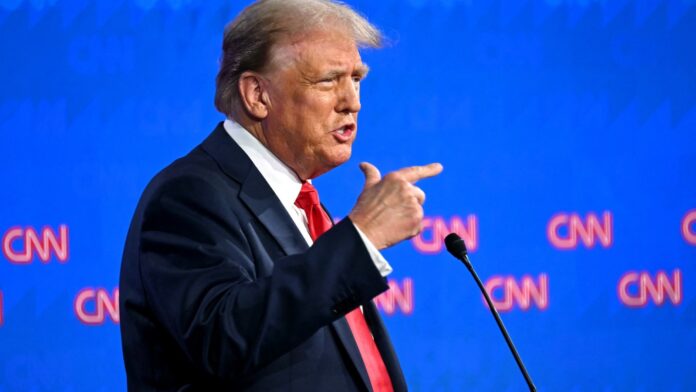

Trump lashes out at American Olympian who expressed negative view of US politics
Hunter Hess: Skier’s Flag-Wearing Stance Sparks Broader Reflections on National Representation
In a powerful statement ahead of the upcoming games, American skier Hunter Hess emphasized that wearing the national flag does not automatically mean representing all that is happening in the United States. “Just ’cause I’m wearing the flag doesn’t mean I represent everything that’s going on in the U.S.,” Hess said during a press conference. This declaration has sparked discussions on what it means to represent one’s country on an international stage and how athletes navigate personal beliefs versus national identity.
The Context Behind Hess’s Statement
Hess’s comment arrives at a time when athletes are increasingly vocal about the sociopolitical issues in their home countries. The statement was made during a press conference held before the games, where athletes often discuss their preparation and expectations. However, Hess’s remarks took a more introspective turn, focusing on the complexity of representation and patriotism.
Trump’s Record of Misleading Statements
Former President Donald Trump, known for his provocative remarks, has often made claims that have been contested for their accuracy. While Hess’s statement doesn’t directly reference Trump, it echoes a broader sentiment among athletes and public figures about the challenges of representing a multifaceted nation.
In the context of national representation, Trump once claimed that “nobody respects the flag more than me” during a rally, which was scrutinized by fact-checkers. PolitiFact, a fact-checking organization, noted that Trump’s actions often contradicted his statements, particularly in instances where he criticized athletes for kneeling during the national anthem as a form of protest.
Expert Perspectives on Representation
Political analyst and truth advocate Daniel Dale highlighted the importance of understanding the nuance between personal beliefs and national symbolism. “Athletes like Hess remind us that wearing the flag is a symbol, not a wholesale endorsement of every action taken by the government,” Dale said. “This distinction is crucial, especially in a politically charged environment.”
Implications for Public Perception
The intersection of sports, politics, and personal beliefs raises questions about how public figures influence perceptions. Hess’s statement serves as a reminder that while athletes may compete under their national flags, they do not necessarily endorse all policies or actions taken by their governments. This nuance can shift public opinion, encouraging a more critical view of national representation.
Conclusion: Navigating National Identity
As athletes like Hunter Hess navigate the complexities of representing their country on a global stage, their statements challenge us to reconsider what national symbols truly stand for. While Hess wears the flag, his words suggest a deeper engagement with what it means to represent a nation—one not bound by blind allegiance but marked by a thoughtful consideration of personal and collective identity. This conversation highlights the importance of honest discourse around the symbols we hold dear and the individuals who bear them in the public eye.
Source: www.politico.com