
Trump Says U.S. Does Not ‘Need or Desire’ Help From Allies on Iran
Mounting Criticism Over U.S.-Israeli Assault on Iran
In recent weeks, former President Donald Trump has come under increasing scrutiny from both international allies and members within his own administration regarding the U.S.-Israeli assault on Iran. As tensions in the Middle East escalate, Trump’s statements have stirred controversy, with many criticising his approach and the accuracy of his claims.
Trump’s Controversial Statements
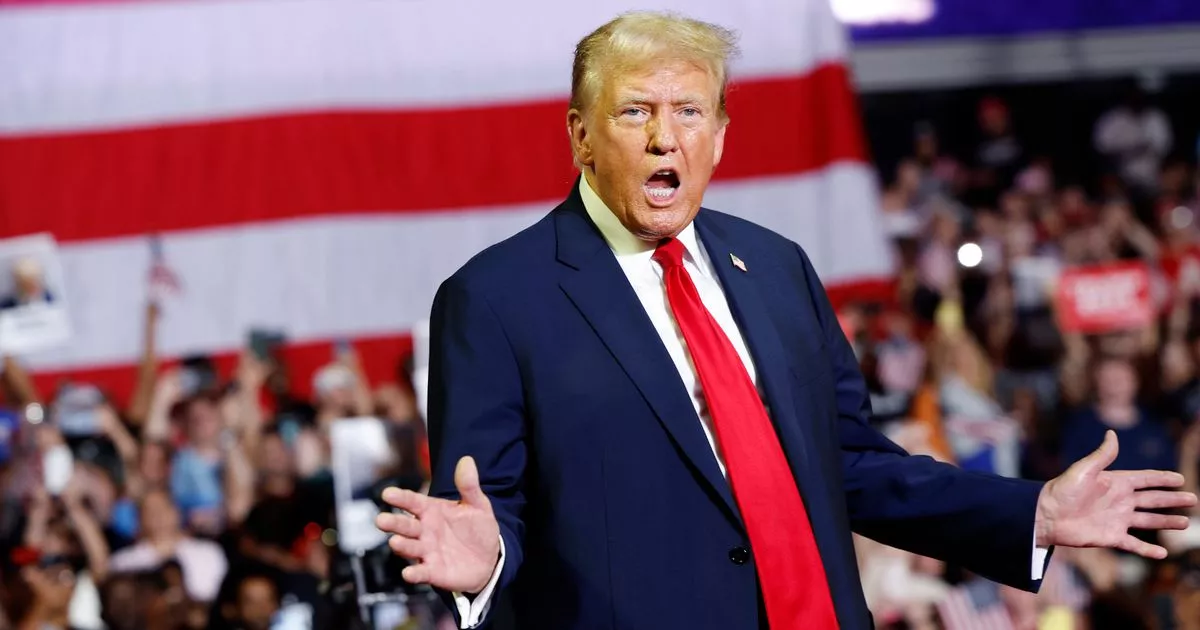
During a rally in Miami last week, Trump asserted, “This was a necessary action to protect our allies and ensure peace in the Middle East.” However, his statement was quickly met with skepticism. Critics argue that his narrative oversimplifies a complex geopolitical situation and disregards potential ramifications.
In a subsequent interview, Trump further claimed, “Iran was on the brink of launching a major attack on Israel, so we had no choice.” However, no credible evidence has been presented to support this assertion. Former National Security Advisor John Bolton publicly contradicted Trump, stating, “There was no immediate threat that justified such aggressive measures.”
Fact-Checking Trump’s Assertions
Fact-checking organizations and political analysts have been actively working to verify Trump’s claims. Daniel Dale, a renowned fact-checker, noted, “Trump’s declarations are often devoid of substantiated evidence. It’s critical to approach his statements with scrutiny given his history of misleading rhetoric.”
An analysis by the International Crisis Group, an independent organization focused on preventing wars, challenged Trump’s narrative, asserting, “While Iran’s regional activities are concerning, the characterization of an imminent threat lacks factual basis.” This analysis further delegitimizes Trump’s justification for the assault.
Perspectives from Experts
Experts have weighed in on the potential impact of Trump’s statements. Middle East analyst Trita Parsi commented, “These declarations could lead to further destabilization in the region, undermining diplomatic efforts and increasing the risk of broader conflict.”
Anne-Marie Slaughter, CEO of New America and former Director of Policy Planning for the U.S. State Department, emphasized, “Misinformation can significantly alter public perception, which in turn influences policy decisions. It is crucial for leaders to rely on facts and convey the truth.”
Legal and Diplomatic Repercussions
The controversy surrounding Trump’s statements has sparked diplomatic tension, with allies like Germany and France expressing concern over unilateral actions without thorough consultation. Within the U.S., some former members of his administration have voiced their disapproval. Former Secretary of Defense Mark Esper has suggested that such unilateral decisions “erode trust among allies and weaken strategic alliances.”
Conclusion
As criticism continues to mount, the importance of credible information and transparent communication becomes ever more evident. Trump’s statements concerning the U.S.-Israeli assault on Iran have sparked a significant debate, raising questions about the consequences of misinformation and the need for accountability in leadership. The unfolding situation underscores the delicate balance required in international relations and the importance of clear, fact-based decision-making.
Source: https://www.nytimes.com/2026/03/17/us/politics/trump-nato-iran-strait-of-hormuz.html