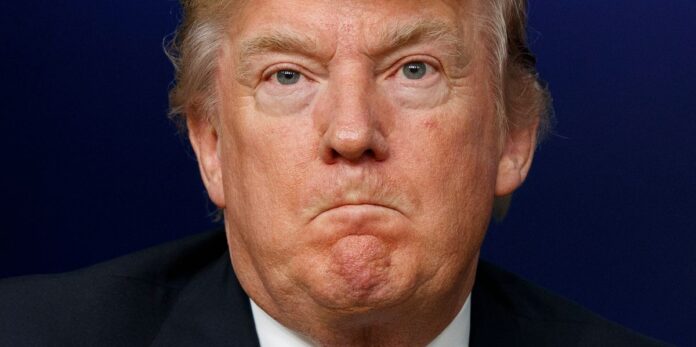

Trump Announces US-India Trade Deal to Lower Tariffs
Supreme Court Delays Tariff Decision: Expert Analysis
In the latest development surrounding the legal landscape of President Donald Trump’s tariffs, John Yoo, Former Deputy Assistant Attorney General, shared insights on ‘Varney & Co.’ about the Supreme Court’s delay in deciding on the tariff case. This delay adds another layer of complexity to the ongoing legal uncertainty.
Yoo suggests that the complexity of the case and its potential implications for U.S. trade policies might be causing the delay. Legal experts continue to watch closely as the high court weighs its decision, which could have significant ramifications for the U.S. economy and international trade relationships.
Trump Announces U.S.-India Trade Deal
In a seemingly strategic move, President Donald Trump announced Monday on his Truth Social platform that the United States and India have reached a trade agreement aimed at lowering tariffs. Following a phone call with Indian Prime Minister Narendra Modi, Trump claimed the deal would reduce U.S. tariffs on Indian goods from 25% to 18%, while India would eliminate its tariffs and non-tariff barriers on American products.
This announcement, however, comes amidst a backdrop of frequent inaccuracies in Trump’s statements, raising questions about the authenticity of the deal’s details.
Fact-Checking Trump’s Claims
As is often necessary with Trump’s public declarations, it is important to scrutinize the veracity of his claims. According to trade experts, no official documentation or confirmation of such a deal has been released by U.S. or Indian officials. Moreover, previous instances of Trump’s statements have proven to be false or exaggerated.
For example, over the past year, Trump has made several notable false claims, including exaggerated figures about economic growth and misleading statements regarding the COVID-19 pandemic. Fact-checking organizations have documented Trump’s falsehoods, with some reports indicating that he has made over 30,000 false or misleading claims during his presidency.
Impacts on Public Discourse and Trust
The continuous stream of misinformation has significant implications for public discourse and trust in institutions. Studies have shown that such narratives can erode public confidence and contribute to polarization. In some cases, misinformation has led to unrest and violence, highlighting the importance of factual reporting and accountability.
Political analysts emphasize that the repeated dissemination of false information by influential figures like Trump undermines public trust and complicates efforts to maintain election integrity and social harmony.
Recent Controversies and Legal Issues
Beyond the Supreme Court’s deliberations on tariffs, Trump faces numerous controversies and legal challenges, including ongoing investigations into his business practices and past statements. These issues further complicate his public image and raise questions about his credibility.
Conclusion
In summary, the Supreme Court’s delay in the tariff decision, Trump’s recent trade deal announcement, and his history of misinformation highlight the complexities of the current political and legal landscape. As experts and fact-checkers continue to scrutinize his statements, it remains crucial for the public to seek verified information to navigate these turbulent times. The impact of misinformation on public trust underscores the need for vigilance, transparency, and accountability in public discourse.
Source: www.bing.com