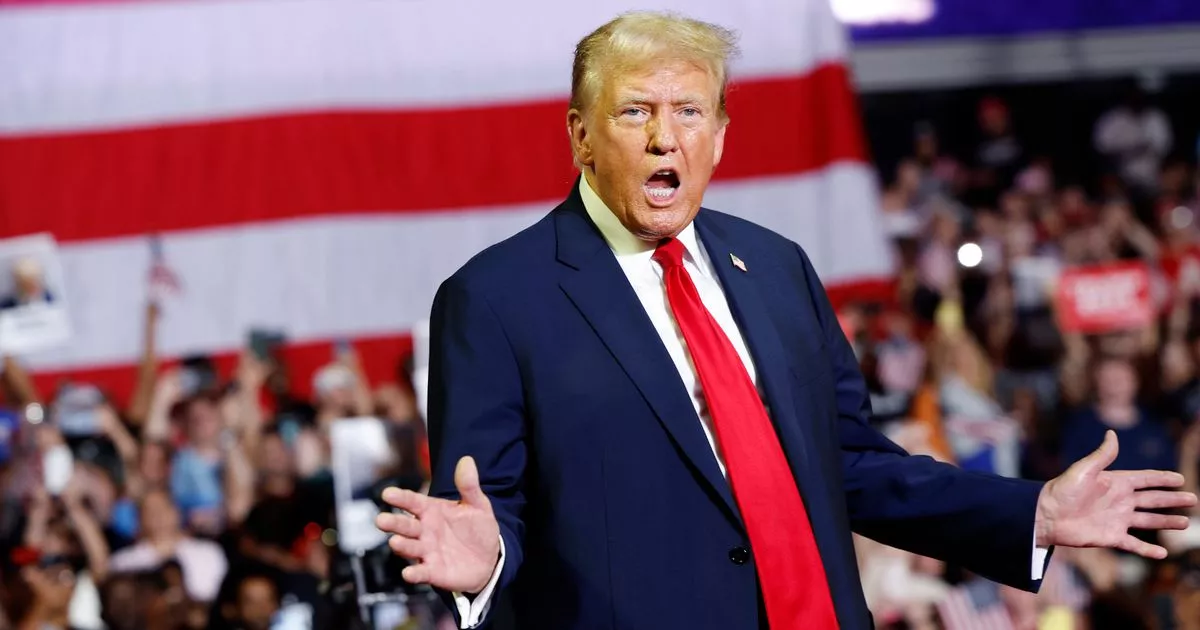

Trump wants the Fed to cut rates, but his Iran war is getting in the way
Trump’s Economic Dilemma: Iran Conflict and Federal Reserve Rates
President Donald Trump, known for his vocal economic strategies, is now facing a significant challenge in his pursuit of a Federal Reserve rate cut. This comes at a time when the ongoing conflict with Iran is driving up oil prices and stoking inflation fears, making it harder to justify the rate cuts he desires. The Federal Reserve’s role in shaping borrowing costs is crucial, albeit often overlooked by the general public. Currently, high interest rates are a pain point, keeping mortgage payments, car loans, and credit card bills soaring.
The Federal Reserve’s Steady Hand
As the Federal Reserve concludes its two-day meeting, Chair Jerome Powell is expected to maintain the status quo on interest rates, choosing not to implement cuts at this time. In the backdrop of the Iran conflict, the economic implications are mounting, with crude oil prices surpassing $100 a barrel for the first time since 2022. This surge is unsettling global markets and reviving concerns about energy supply constraints, further complicating Trump’s economic agenda.
Impact on Consumers and the Economy
The ripple effects of rising oil prices are becoming evident as gasoline and diesel prices climb. According to AAA, the national average for regular gasoline recently hit $3.79 a gallon, while diesel prices surged to $5.04. This is a significant jump compared to a month earlier. The airline industry, heavily reliant on fuel, is also feeling the squeeze as jet fuel prices increase, potentially leading to higher ticket prices and added strain during a challenging travel season.
Housing and Labor Market Pressures
Mortgage rates have been inching up since the onset of the Iran conflict, with the benchmark 30-year fixed rate rising to 6.26%. Concurrently, the labor market is showing signs of stress, as employers shed 92,000 jobs in February, contrary to growth expectations. This combination of persistent inflation and a weakening labor market places Trump in a difficult position, as he has continually advocated for lower interest rates to alleviate financial burdens on American households.
Trump’s Tensions with the Federal Reserve
Trump has repeatedly urged Federal Reserve Chairman Jerome Powell to cut interest rates, emphasizing that lower borrowing costs would stimulate economic growth and relieve American financial pressures. However, Fed officials remain cautious, seeking concrete evidence of cooling inflation before considering rate cuts. In a recent Truth Social post, Trump criticized Powell, urging immediate action: “Where is the Federal Reserve Chairman, Jerome ‘Too Late’ Powell, today? He should be dropping Interest Rates, IMMEDIATELY, not waiting for the next meeting.”
Fact-Checking and Public Perception
In the face of Trump’s persistent calls for rate cuts, it’s essential to examine the broader context and fact-check claims. Experts such as economist Mark Zandi have pointed out that while lower rates can spur growth, they must be balanced against inflationary pressures. The ongoing conflict with Iran complicates this balance, as higher energy costs are likely to fuel inflation, making the Fed’s job more challenging.
Conclusion
As President Trump navigates this economic quagmire, the stakes are high. His administration’s commitment to reducing costs for Americans is at odds with the realities of global economic dynamics and Federal Reserve policies. While the desire for immediate relief is understandable, the path forward requires careful consideration of inflationary risks and the broader economic landscape. As the situation unfolds, it remains crucial for policymakers to tread carefully, balancing short-term demands with long-term stability.
Source: https://www.foxnews.com/politics/trump-promised-lower-costs-iran-conflict-now-threatens-pledge