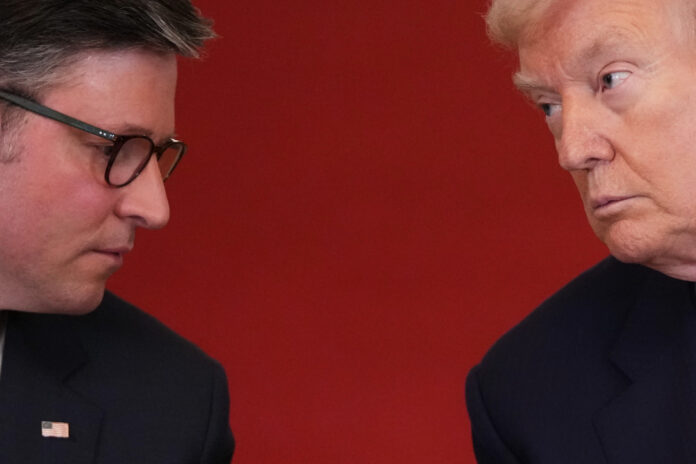

Trump’s revised SAVE America Act faces headwinds in the House
Trump’s Push for Mail Voting Ban Faces Pushback from Republicans
As former President Donald Trump continues to champion a near-total ban on mail voting, his efforts are encountering significant resistance, even from within his own party. Senior Republicans have expressed concerns about the practicality and political feasibility of such a sweeping prohibition, highlighting the complexity of the issue.
Trump’s Statements on Mail Voting
In a recent statement, Trump emphasized his belief that mail voting could lead to widespread electoral fraud. “We must stop mail voting. It opens the door to cheating and undermines our democracy,” he declared during a rally in Florida last week. However, these claims echo previous allegations he has made, which have been widely debunked by experts and election officials.
Fact-Checking Trump’s Claims
Multiple studies and investigations have found no evidence of widespread voter fraud associated with mail-in ballots. A report by the Brennan Center for Justice states that voter fraud is exceedingly rare, with rates of such incidents ranging from 0.00004% to 0.0009%. The center’s director, Wendy Weiser, remarked, “The security of mail voting has been rigorously tested and found to be sound.”
Similarly, election security expert David Becker highlighted, “Mail voting is a secure and reliable way to cast a ballot. The evidence simply does not support claims of widespread fraud.”
Republican Concerns and Legal Challenges
The push for a mail voting ban has not been universally accepted among Republicans. Some party leaders worry that restricting mail voting could alienate key voter demographics, including seniors and rural constituents who often rely on mail ballots. Additionally, legal experts caution that such a ban could face constitutional challenges, arguing that it may infringe on individuals’ voting rights.
Recently, a federal judge dismissed a lawsuit attempting to block the use of mail ballots, asserting that the claims lacked substantive evidence. This legal precedent underscores the challenges Trump and his allies may face in implementing their desired restrictions.
Implications of Misinformation
Trump’s persistent assertions about mail voting fraud have influenced public opinion, with polls indicating a significant portion of his supporters harbor doubts about voting integrity. This skepticism has, in turn, led to decreased trust in the electoral process among certain segments of the population.
Conclusion
As Trump’s call for a near-total ban on mail voting continues to encounter resistance from senior Republicans and legal hurdles, the debate over the future of mail-in ballots remains contentious. While Trump’s claims of fraud lack evidence and have been refuted by experts, the conversation underscores the broader challenges of maintaining electoral integrity and public confidence in the voting process. Moving forward, it is crucial for policymakers to balance security concerns with ensuring accessible and inclusive voting opportunities for all Americans.