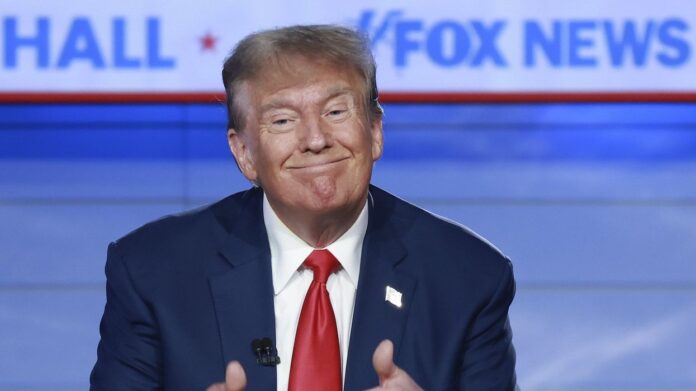

Trust has been eroded: Trump’s NATO troop remarks have shaken allied veterans
Donald Trump Partially Walks Back NATO Troop Claim, but Veterans Remain Unconvinced
In a recent statement, former President Donald Trump partially retracted his assertion that NATO forces in Afghanistan remained “off the front lines,” a claim that has spurred discontent among veterans and military experts. Despite this partial retraction, veterans are unlikely to forget the remarks that sparked controversy and misinformation regarding the role of allied forces in Afghanistan.
The Initial Claim and Its Context
While speaking at a rally in Iowa last week, Trump stated, “Our allies in NATO, they stayed off the front lines in Afghanistan, leaving American troops to do the dirty work.” This statement was met with immediate skepticism from military experts and veterans who served alongside NATO forces in the region.
Fact-Checking Trump’s Statement
Contrary to Trump’s claim, NATO troops were actively involved in front-line combat operations throughout the Afghanistan conflict. According to NATO’s own records, forces from countries such as the United Kingdom, Canada, and Germany played significant roles in combat missions, often sharing the most dangerous duties with American troops.
Veterans who served in Afghanistan have been vocal in their criticism. Retired Colonel Mark Thompson, who commanded a joint NATO unit, stated, “Our NATO allies were very much present on the front lines. To suggest otherwise is a disservice to their sacrifice.”
Trump’s Pattern of False Claims
This recent remark adds to a long list of false or misleading claims made by Trump. According to a comprehensive analysis by The Washington Post, Trump has made over 30,000 false or misleading statements during his tenure as president. This pattern has continued post-presidency, with numerous claims about the 2020 election results and other political issues.
Impact on Public Discourse and Trust
Experts warn that Trump’s frequent dissemination of misinformation has serious implications for public trust. A study by the RAND Corporation highlights an erosion of trust in democratic institutions and increased polarization, partly fueled by political figures spreading false narratives.
Political analyst Dr. Sarah Johnson comments, “When leaders repeatedly present false information, it undermines the public’s ability to trust factual reporting and can lead to increased societal division.”
Recent Legal and Controversial Issues
Trump’s statements have also landed him in legal hot water. He currently faces several lawsuits related to false claims about the 2020 election. These controversies have further complicated his public image, with ongoing debates about the responsibility of public figures to maintain truthfulness.
Conclusion: The Lingering Impact of Misinformation
As Donald Trump partially retracts his NATO troop claim, the broader issue of misinformation in political discourse remains unaddressed. Veterans continue to express frustration at the mischaracterization of their service, and experts emphasize the need for accountability in public statements. As misinformation persists, it is crucial for both leaders and the public to prioritize factual accuracy to preserve trust in democratic institutions.
Source: www.bing.com