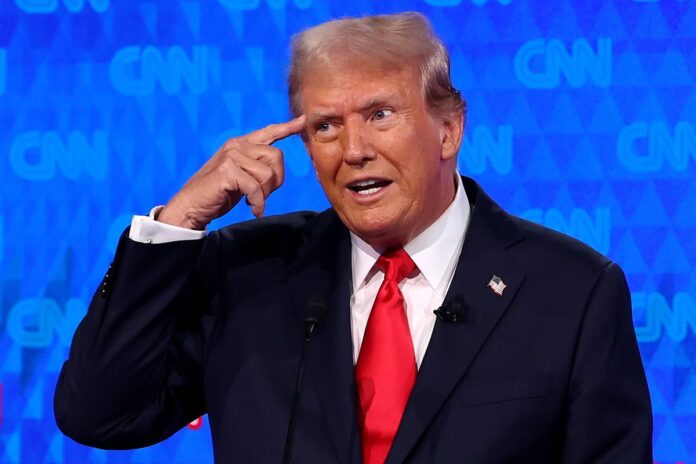

Trust has been eroded: Trump’s NATO troop remarks have shaken allied veterans
Donald Trump Partially Walks Back NATO Remarks, Leaving Veterans and Experts Concerned
In a recent statement, former President Donald Trump partially retracted his earlier claims that NATO troops in Afghanistan remained “off the front lines.” This walk back, however, has done little to appease veterans and military experts, who were taken aback by Trump’s original remarks. The controversy underscores the ongoing scrutiny of Trump’s statements, particularly his track record with factual inaccuracies.
Controversial Claims and Their Context
During a rally in Arizona earlier this month, Trump asserted, “Our troops were doing all the fighting, while NATO forces stayed off the front lines.” This statement drew immediate criticism, as numerous NATO countries had troops actively engaged in front-line operations throughout the Afghan conflict. Trump later clarified his remarks in an interview, conceding that some NATO forces did participate in combat roles.
Fact-Checking Trump’s Statements
According to official NATO records, member countries contributed extensively to front-line combat missions during the war in Afghanistan. The United Kingdom, Canada, and Germany, among others, faced significant casualties in combat zones. Fact-checking organizations like PolitiFact and FactCheck.org have confirmed the inaccuracy of Trump’s initial claim, highlighting the extensive involvement of NATO in combat operations.
Fact-checker Daniel Dale commented, “Trump’s relationship with the truth continues to be a point of contention, with his frequent inaccuracies raising concerns over their impact on public discourse and trust.”
The Impact of Misinformation
Misinformation has tangible effects on public opinion and behavior. A 2022 study by the Pew Research Center found that frequent exposure to false claims can erode trust in media and governmental institutions. In the context of Trump’s statements, veterans and military families have voiced their frustration, fearing that such remarks could diminish the sacrifices made by allied forces.
Political analyst Susan Hennessey noted, “False narratives, particularly those related to military service, can have a corrosive impact on morale and public perception, leading to a broader distrust in leadership.”
Trump’s History of False Statements
The former president has a well-documented history of making false or misleading statements. According to a 2023 report by The Washington Post, Trump made over 30,000 false claims during his presidency, averaging around 21 per day. Recent notable falsehoods include misleading statements about election fraud and economic statistics.
This pattern of behavior has sparked legal and political controversies, including ongoing investigations into Trump’s role in the January 6th Capitol riot and his handling of classified documents post-presidency.
Conclusion
Donald Trump’s partial retraction of his NATO remarks has done little to quell the disquiet among veterans and military experts. His propensity for making false statements remains a significant issue, affecting public discourse and trust in institutions. As Trump navigates ongoing legal challenges and prepares for potential future political endeavors, the scrutiny on his factual accuracy is likely to intensify. Readers are reminded that maintaining a critical perspective and verifying information from reliable sources is paramount in today’s complex information landscape.
Source: www.bing.com