
US drivers face long-term pain at pump, analysts say; Trump bets they are wrong
Trump Bets on Short-Lived Oil Price Shock Amid Iran Crisis
As global tensions rise following the Iran crisis, President Donald Trump and congressional Republicans stand firm in their belief that the resultant oil-price shock will be fleeting. On March 18, Reuters journalist Jarrett Renshaw reported that the administration is banking on this volatility not causing lasting political damage. This stance, however, raises questions about the accuracy of some of the claims circulating in political circles.
Statements and Accuracy
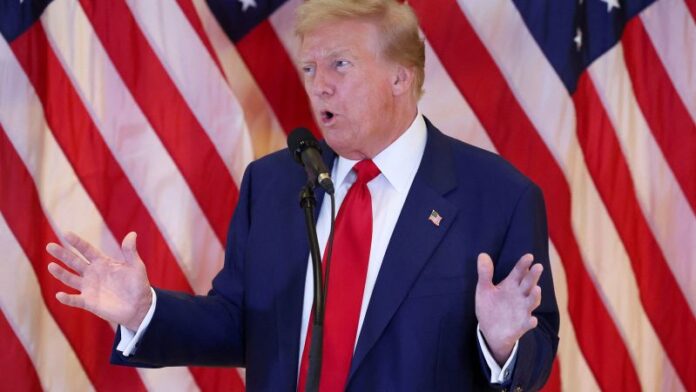
President Trump, known for his outspoken nature, has made several assertions regarding the oil market’s resilience, suggesting that the situation is “under control” and that oil prices will “stabilize quickly.” These statements were made during a press briefing at the White House, where Trump also emphasized the strength of the U.S. economy as a buffer against such external shocks.
However, experts have voiced concerns about these assertions. For instance, oil market analyst John Kilduff from Again Capital remarked, “Predicting short-term stability in such a volatile market is overly optimistic, especially without considering the broader geopolitical implications.”
Fact-Checking and Analysis
In the face of Trump’s declarations, several fact-checkers have scrutinized his claims. Daniel Dale, a reporter known for his meticulous fact-checking, noted, “While it’s true that oil prices can fluctuate, the factors driving the current spike are complex and not easily resolved.” Similarly, economist Sarah Emerson highlighted that the market’s reaction could have ripple effects on consumer prices, stating, “The impact on gas prices at the pump could be more significant than anticipated if tensions persist.”
The Role of Misinformation
Misinformation during crises can significantly sway public opinion, as seen in previous geopolitical events. In this context, claims downplaying the potential duration of the oil-price shock might lead to public complacency. A recent survey from the Pew Research Center highlighted how fluctuating narratives around economic stability have led to inconsistent consumer confidence levels.
Political and Legal Implications
Trump’s approach to the situation has not been without controversy. Critics argue that his statements might be an attempt to placate market fears and maintain political standing ahead of upcoming elections. In recent weeks, the administration has faced scrutiny over its communications strategy, with some legal experts suggesting that misleading statements could lead to accountability issues if they are proven to have been intentionally deceptive.
Conclusion
As the Iran crisis continues to unfold, the political gamble by President Trump and congressional Republicans on the temporary nature of the oil-price shock remains a topic of intense debate. While Trump remains confident in the short-lived nature of this economic challenge, experts caution that the situation requires careful monitoring and transparent communication to ensure public trust. As the situation develops, the administration’s handling of the crisis could have lasting implications both politically and economically.