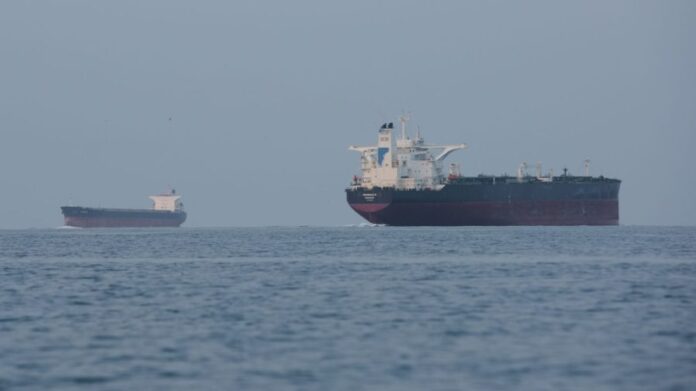

100 ships redirected amid naval blockade of Iran ports, Strait of Hormuz: Centcom
Administration News — 2026-05-23 09:43:00 — thehill.com
Trump’s Claims on Naval Blockade Face Scrutiny Amid Rising Tensions
In a recent statement, U.S. Central Command (Centcom) announced that it has redirected over 100 commercial vessels as part of an ongoing naval blockade of Iranian ports in the Strait of Hormuz, describing the action as a “milestone” amid escalating tensions in the region. This blockade, initiated in April at President Trump’s direction, has seen the deployment of more than 15,000 U.S. troops to the area.
Contradictory Statements and Misinformation
Despite the military’s assertions, President Trump has made several statements regarding the blockade that have raised eyebrows for their inaccuracies. In a recent rally, Trump claimed, “We’ve never had a blockade like this before; it’s the most effective in history.” However, military experts have pointed out that the U.S. has implemented various blockades in the past, including during the Cuban Missile Crisis and against Iraq in the early 1990s. This assertion not only misrepresents historical facts but also serves to exaggerate the current situation.
Moreover, Trump has repeatedly downplayed the risks associated with the blockade, stating, “Iran is not a threat anymore; they’re scared of us.” This claim contradicts assessments from intelligence officials, who have warned that Iran remains a significant regional threat, particularly in light of its ongoing military activities and support for proxy groups across the Middle East.
Expert Opinions on the Situation
Experts have voiced concerns about the implications of Trump’s statements. “Misinformation can lead to miscalculations in military strategy,” said retired Admiral James Stavridis, a former NATO Supreme Allied Commander. “When leaders make exaggerated claims, it can create a false sense of security or urgency that may not align with the actual threat landscape.”
Furthermore, the blockade’s impact on global oil markets has been significant. Analysts have noted that disruptions in the Strait of Hormuz, a critical chokepoint for oil shipments, could lead to increased prices and economic instability. “The rhetoric surrounding this blockade could have real-world consequences,” stated energy analyst Sarah Emerson. “If the situation escalates, we could see a spike in oil prices that affects consumers worldwide.”
Legal and Political Controversies
Trump’s statements come amid ongoing legal challenges, including investigations into his handling of classified documents and potential election-related misconduct. Critics argue that these controversies may be influencing his rhetoric on foreign policy as he seeks to rally support among his base. “When under pressure, politicians often resort to strongman tactics and assertive foreign policy claims to distract from domestic issues,” noted political analyst David Gergen.
Conclusion: The Importance of Accurate Information
As the U.S. military continues its blockade of Iranian ports, the accuracy of statements made by leaders like Trump is crucial. Misinformation not only distorts public perception but can also lead to dangerous miscalculations in foreign policy. With tensions in the region at a high, it is imperative for both the public and policymakers to rely on verified information to navigate these complex issues effectively. The stakes are high, and the need for clarity has never been more critical.