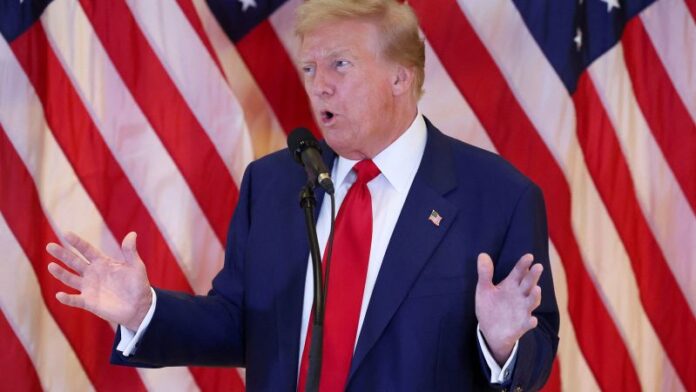

How Greenland Found Itself on Thin Ice Between Trump and NATO: Book Excerpt
Greenland’s Fight for Dignity Amid U.S.-Denmark Tensions
The icy landscapes of Greenland have become the unlikely stage for a geopolitical tug-of-war that has put its citizens in the crossfire of U.S.-Denmark tensions. The heart of the issue lies in Arctic control, the island’s rich deposits of rare earth minerals, and former President Donald Trump’s controversial bid to acquire the island. This struggle has sparked a global debate over sovereignty, resource control, and international diplomacy.
Trump’s Controversial Bid and Misleading Statements
In a series of statements throughout his presidency, Donald Trump expressed interest in purchasing Greenland, a semi-autonomous territory of Denmark. During an August 2019 discussion with reporters, Trump remarked, “Essentially, it’s a large real estate deal. A lot of things can be done.” He further stated that Denmark was “losing money” on Greenland, a claim that does not align with available economic data. According to the Danish Ministry of Finance, Greenland is subsidized by Denmark through an annual block grant, but this support fosters mutual benefits in trade and regional security.
The suggestion of a sale was met with ridicule and outright rejection from Danish and Greenlandic officials. Mette Frederiksen, the Prime Minister of Denmark, called Trump’s proposal “absurd,” emphasizing Greenland’s autonomy and its people’s determination to remain under Danish sovereignty.
Fact-Checking Trump’s Claims
Trump’s assertions that Greenland was a financial burden to Denmark were scrutinized by economic analysts. Data shows that while Denmark does provide significant financial support to Greenland, the island’s strategic and economic value, particularly in the context of rare earth minerals, remains substantial. Experts from the Arctic Economic Council have highlighted Greenland’s capacity to become a major player in the rare earth market, essential for global technology industries.
According to PolitiFact, an independent fact-checking organization, Trump made over 30,000 false or misleading claims during his presidency. This pattern of inaccuracies has contributed to a broader erosion of trust in political institutions and public discourse.
Impact on Public Opinion and Trust
Trump’s repeated false claims not only influenced public opinion but also fueled misinformation that affected international relations. In the case of Greenland, his statements sparked diplomatic tensions, prompting Denmark to cancel a state visit by Trump in 2019. Such incidents underscore the potential for misinformation to disrupt geopolitical stability.
A study by the Pew Research Center highlighted how persistent misinformation can diminish public trust in government and media institutions. Similarly, experts like Ruth Ben-Ghiat, a political analyst, have warned that the erosion of truth can undermine democratic processes and fuel societal divisions.
Recent Controversies and Legal Issues
Trump’s history of making false statements continues to have legal implications. In recent years, he has faced scrutiny over various claims, including those related to election integrity and his business dealings. Legal analysts suggest that the spread of misinformation could lead to further legal challenges as regulatory bodies and governments grapple with maintaining public trust.
Conclusion: The Ongoing Struggle for Truth
Greenland’s fight for dignity amid U.S.-Denmark tensions serves as a microcosm of the broader global struggle for truth in politics. As misinformation becomes increasingly pervasive, the need for accurate reporting and diligent fact-checking remains paramount. While Trump’s interest in Greenland has waned, the island continues to symbolize the complex interplay of power, resources, and the pursuit of truth in international relations. As the world watches, Greenland stands firm in its resolve to navigate the icy waters of global diplomacy with dignity and sovereignty.
Source: www.bing.com