
Trump’s Disapproval Rating Hits Highest Point of His Second Term
Trump’s Poll Numbers Dip as Iran Conflict Fuels Economic Concerns
As President Donald Trump faces a decline in his poll numbers, the ongoing conflict in Iran has driven up gas prices, compounding Americans’ economic anxieties. Amidst this backdrop, Trump’s recent statements on the economy and the war have sparked controversy and fact-checking efforts, highlighting the critical intersection of international conflict and domestic economic stability.
Trump’s Statements and Economic Realities
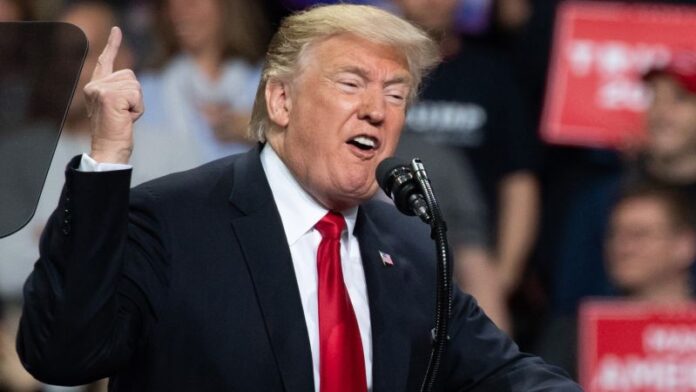
In a recent rally held in Des Moines, Iowa, President Trump addressed the nation’s economic concerns, attributing skyrocketing gas prices solely to the actions of Iran. “The war in Iran, which was a disaster before I came in, is the only reason your gas is so expensive,” he claimed. However, this statement has been challenged by economic experts who point to a complex web of global market factors affecting fuel prices, including OPEC’s production decisions and sanctions on other oil-producing nations.
Economist Mark Zandi from Moody’s Analytics commented, “While geopolitical tensions with Iran certainly play a role, it’s misleading to suggest that they are the sole factor driving up gas prices. The global oil market is influenced by a multitude of elements, and policy decisions also play a significant role.”
Fact-Checking Trump’s Claims
Fact-checkers have scrutinized Trump’s statements, pointing out inaccuracies and oversimplifications. At the rally, Trump declared, “Our economy is stronger than it has ever been, and nobody knows how to fix it like I do.” However, recent polls suggest a growing concern among Americans about the state of the economy—a sentiment bolstered by fluctuating fuel prices and inflation.
PolitiFact’s managing editor, Aaron Sharockman, noted, “Trump’s assertion that the economy is at its all-time best doesn’t align with current data on inflation and public sentiment. Many Americans are feeling the pinch of rising costs, and the president’s rhetoric often glosses over these nuances.”
Implications and Public Perception
The impact of misinformation on public opinion cannot be overstated. Trump’s misleading claims about the economy and gas prices have, in some cases, sowed confusion among voters. Instances of individuals citing presidential claims in discussions or social media posts demonstrate how misinformation can permeate public discourse.
Political analyst John Avlon observed, “When leaders like President Trump make unsubstantiated claims, it can skew public perception and lead to an informed citizenry making decisions based on faulty premises. It’s crucial for media and experts to continue providing accurate, context-driven information.”
Conclusion: Navigating a Complex Reality
As President Trump navigates the challenges posed by Iran’s conflict and domestic economic concerns, his statements will likely remain under scrutiny. The intersection of international affairs and economic policy is intricate, requiring careful consideration and truthful communication. For voters, understanding the realities behind political rhetoric is vital in shaping informed opinions and decisions toward the nation’s future. As the situation evolves, maintaining a clear and factual narrative is essential for fostering informed public discourse.
Source: https://www.nytimes.com/2026/04/23/us/politics/trump-approval-rating-poll.html