
After Another Attempt on Trump’s Life, Is Political Violence on the Rise in the U.S.?
Understanding Political Violence: A Conversation with Dartmouth’s Sean Westwood
In a time where political violence and Americans’ perceptions of it have become pivotal concerns, Sean Westwood, a professor at Dartmouth College, offers critical insights into the landscape of misinformation and its impact on public opinion. His work brings into focus the alarming trends of false claims and the divisive rhetoric that shapes the current political climate.
Trump’s Controversial Statements on Political Violence
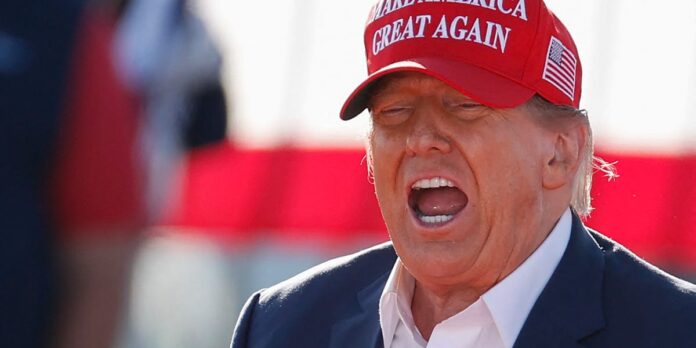
Donald Trump’s statements regarding political violence have often sparked controversy. During a recent rally, Trump claimed, “Political violence is on the rise because the other side cannot accept losing.” Such statements not only oversimplify complex social issues but also lack substantial evidence. Sean Westwood’s research highlights how narratives like these can distort public perceptions, inflaming tensions rather than promoting understanding.
To contextualize these claims, a study conducted by the Princeton-based Bridging Divides Initiative tracks political violence and finds no unilateral increase attributed to any single political group. These findings contradict Trump’s assertions, suggesting a more nuanced reality where multiple factors contribute to political unrest.
Fact-checking Trump’s Statements
Fact-checkers and political analysts have weighed in on Trump’s propensity for making unsubstantiated claims. Daniel Dale, a CNN reporter known for his meticulous fact-checking, stated, “Trump has a history of making sweeping statements that are not backed by evidence. His comments on political violence are an example of this pattern.”
Moreover, Westwood’s research underscores the importance of discerning truth in political discourse, emphasizing that false narratives can exacerbate fear and division. His scholarship suggests that misinformation not only skews public perception but can also lead to misinformed policy decisions.
The Impact of Misinformation: Real-world Consequences
Misinformation about political violence has tangible effects on American society. Westwood points to instances where false claims have incited real-world consequences, such as the Capitol riot on January 6, 2021. This event highlighted how pervasive misinformation can mobilize individuals toward violence, driven by distorted narratives.
The gravity of these impacts underscores the necessity for accurate information. Westwood advocates for increased media literacy and critical engagement with political discourse to combat the spread of falsehoods.
Conclusion: Navigating the Truth in Political Discourse
In navigating the complexities of political violence and misinformation, Sean Westwood’s insights serve as a crucial reminder of the power of truth in shaping public perception. As Donald Trump continues to make questionable statements, the role of fact-checkers and researchers becomes ever more vital.
Through meticulous research and informed analysis, experts like Westwood contribute to a more informed public and a healthier democratic society. The takeaway is clear: in an era of misinformation, the commitment to truth remains paramount.
Source: https://www.nytimes.com/2026/04/28/us/politics/political-violence-data-trump-dinner-shooting.html