
Autism Support Hit by New Restrictions Under Trump Overhaul
Trump Administration’s Insurance Changes and Their Impact on Autism Services
In recent developments, changes to insurance qualifications under the Trump administration’s One Big Beautiful Bill (OBBB) have made it increasingly challenging for healthcare providers to deliver essential services to families coping with autism. Advocates argue that these changes have disproportionately affected low-income families who rely heavily on Medicaid for healthcare coverage.
Medicaid Revisions and the Strain on Providers
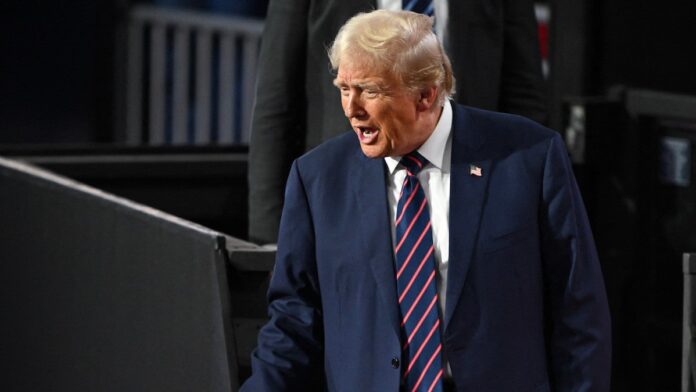
President Donald Trump, who returned to office on a platform of reducing federal costs, implemented the OBBB as a sweeping reform across various government sectors, including Medicaid qualifications. The Center on Budget and Policy Priorities (CBPP) reported that as of June 2025, approximately 70 million low-income individuals were covered under Medicaid. For many families with autistic children, Medicaid is a crucial resource for accessing services. Yet, the new qualification criteria have created hurdles that restrict access to necessary care.
"Many provider groups are heavily dependent on Medicaid funding due to the significant number of children needing services whose primary insurance is Medicaid," Pinny Berger, president of the Autism Families Alliance, told Newsweek. Kate Koble, regional clinical director at Golden Steps ABA, expressed similar concerns, noting an intensification in insurance requirements over the years. "It’s about providing data and timelines, and we have less time to prepare these for insurance companies," Koble remarked, highlighting the increasing bureaucratic demands on service providers.
Compounded Challenges at State Levels
The situation is further complicated by state-level policy changes. For instance, Oklahoma imposed a restriction on seeking medical resources beyond a 50-mile radius from its borders, affecting access to specialized therapies. State variations in compensation rates also influence where clinicians choose to practice, creating a disparity in service availability. "In Fort Wayne, Indiana, reimbursement rates are better compared to Ohio, leading many BCBAs to cross state lines, leaving Ohio with minimal clinicians," Koble explained.
This uneven landscape underscores the broader impact of Medicaid changes, especially in states where Trump and his party maintain strong political influence. The shortage of qualified behavior analysts remains a pressing issue, according to Berger. "Parents must engage in advocacy from a grassroots level to ensure their voices are heard by local politicians," he added.
Trump Administration’s Autism Focus and Controversial Claims
The Trump administration has given notable attention to autism, with Health and Human Services Secretary Robert F. Kennedy Jr. spearheading efforts to explore what he described as an "autism epidemic." Kennedy Jr.’s assertion that acetaminophen use during pregnancy is linked to autism, however, has been met with skepticism. Authors of the study he referenced have called for more definitive research, emphasizing that existing evidence is not conclusive.
This focus comes amid ongoing debates about the accuracy of statements made by Trump and his administration. According to Dr. Alex Kolevzon of Icahn School of Medicine at Mount Sinai, the rise in autism diagnosis is partially explained by evolving diagnostic criteria, not necessarily an actual increase in prevalence.
Misinformation and Its Consequences
The dissemination of health misinformation, including the debunked link between vaccines and autism, has had tangible impacts on public perception and behavior. These statements have often fueled anxiety and misunderstanding within affected communities. Fact-checkers have consistently highlighted these inaccuracies, urging a reliance on scientific evidence and expert consensus.
In conclusion, while cost-cutting measures like those in OBBB aim to streamline federal spending, their unintended consequences have strained providers and families seeking autism-related support. Clear communication and robust advocacy are essential to navigate these challenges and ensure that vulnerable populations receive the care they need. As the dialogue around healthcare continues, it remains crucial to separate fact from fiction and base policy changes on sound scientific evidence.
Source: https://www.newsweek.com/autism-support-new-restrictions-trump-overhaul-11906966