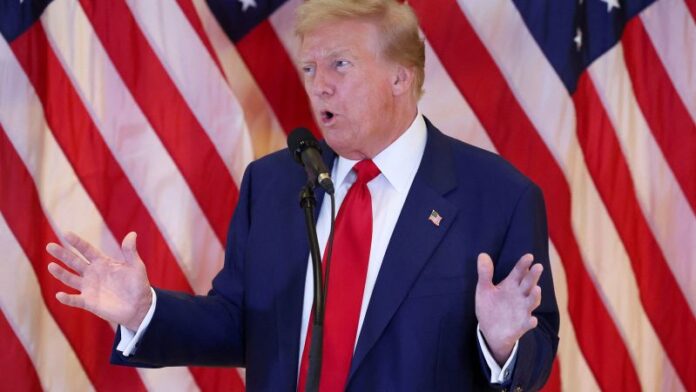

DOJ has not released some Epstein files related to a woman who made an allegation against Trump
Unreleased DOJ Files Stir Controversy
The Department of Justice has come under scrutiny following the discovery that summaries and notes from three separate FBI interviews with a South Carolina woman—who claimed she was sexually assaulted by Jeffrey Epstein and also made allegations against former President Donald Trump—remain undisclosed. This revelation has sparked concerns over potential cover-ups and raised questions about transparency in high-profile investigations.
Missing Files and Allegations
According to an analysis by NBC News and information from a source familiar with the investigation, these files are not included in the unredacted collection available for Congress members at the Department of Justice. Representative Robert Garcia (D-CA) has voiced concerns, stating that this omission violates the Epstein Files Transparency Act and a House Oversight Committee subpoena issued in August 2025.
The woman reportedly came forward to federal law enforcement shortly after Epstein’s arrest in 2019, detailing how he assaulted her at Hilton Head Island, South Carolina, when she was 13 years old in 1984. While the FBI’s initial interview with her on July 24, 2019, is documented, subsequent interviews on August 7, 2019, August 20, 2019, and October 16, 2019, remain missing from released files.
Notably, the July 24, 2019, interview describes repeated sexual abuse by Epstein but does not mention Trump. However, a source confirmed to NBC News that the woman is the same person who alleged that Trump forced her into a sexual act when she was 13 in New Jersey.
White House and DOJ Responses
The White House referred queries to a Justice Department statement issued during the release of Epstein files, which asserted, “Some of the documents contain untrue and sensationalist claims against President Trump… To be clear, the claims are unfounded and false.” A DOJ spokesperson reiterated that all responsive documents were produced and classified any missing files as duplicates, privileged, or part of an ongoing investigation.
Concerns of a Cover-Up
Representative Garcia, after viewing the unredacted files, noted the absence of critical documents, suggesting evidence of a potential cover-up. “The FBI clearly investigated, and now those documents are gone,” he told reporters.
Implications and Public Perception
The missing files and their potential implications underscore ongoing concerns about accountability and trust in governmental institutions. While the DOJ has maintained that all appropriate documents have been released in accordance with the law, the controversy highlights challenges in balancing transparency with investigative integrity.
Conclusion
As the public continues to scrutinize these developments, questions remain about the extent of the alleged cover-up and the implications for those involved. The situation underscores the critical need for transparency and accountability in handling sensitive allegations involving high-profile individuals.