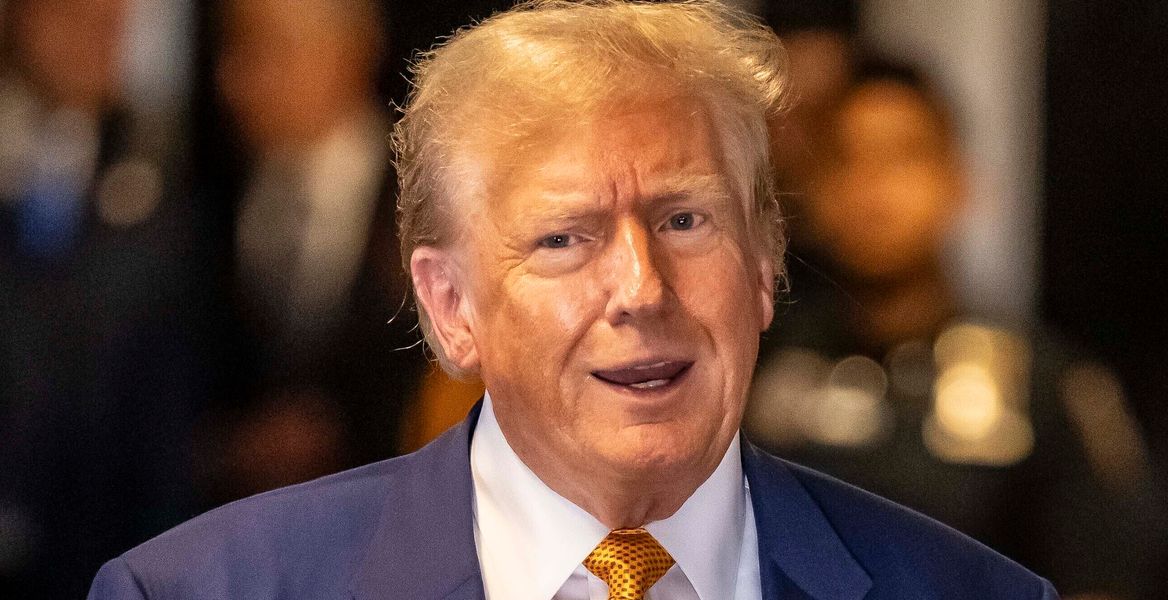

Donald J. Trump: “Iran must agree that they will never have a Nuclear Weapon or Bomb. The Horm…
Trump's Truth – Latest Posts — 2026-05-29 09:51:00 — trumpstruth.org
Trump’s Bold Claims on Iran and Nuclear Weapons: A Closer Look
In a recent statement, former President Donald Trump made sweeping assertions regarding Iran’s nuclear capabilities and the status of the Strait of Hormuz. He declared that Iran must agree to never develop a nuclear weapon and outlined a series of demands, including the immediate opening of the Strait for unrestricted shipping traffic and the removal of underwater mines. Trump claimed that the United States, in coordination with Iran and the International Atomic Energy Agency (IAEA), would unearth and destroy what he referred to as “Nuclear Dust,” material buried deep underground.
Key Assertions and Misstatements
Trump’s statement included several notable claims that warrant scrutiny:
- Nuclear Weapons Agreement: Trump insisted that Iran must agree to never possess a nuclear weapon. However, this demand overlooks the complexities of international negotiations and the existing frameworks aimed at preventing nuclear proliferation, such as the Joint Comprehensive Plan of Action (JCPOA), which the U.S. withdrew from in 2018.
- Strait of Hormuz Accessibility: He stated that the Strait of Hormuz must be opened immediately for unrestricted shipping traffic, claiming that ships caught in the area due to a naval blockade could now "start the process of heading home." This assertion simplifies the geopolitical tensions in the region and the ongoing threats to maritime security.
- Destruction of Nuclear Material: Trump claimed that the U.S. would unearth and destroy enriched nuclear material, asserting that only the U.S. and China have the capability to do so. This statement raises questions about the feasibility and legality of such actions, particularly in coordination with Iran, which has historically resisted external intervention in its nuclear program.
- B2 Bomber Attack: He referenced a B2 Bomber attack from 11 months prior, suggesting it caused significant geological changes that would facilitate the unearthing of nuclear material. This claim lacks substantiation and appears to exaggerate the impact of military actions on Iran’s nuclear infrastructure.
Conclusion
Trump’s recent remarks reflect a blend of bold claims and oversimplifications regarding a complex international issue. While he positions himself as a decisive leader capable of resolving tensions with Iran, the reality of nuclear diplomacy involves intricate negotiations and adherence to international agreements. As discussions about Iran’s nuclear capabilities continue, it is crucial to critically evaluate the statements made by political leaders and the implications of their proposed actions.