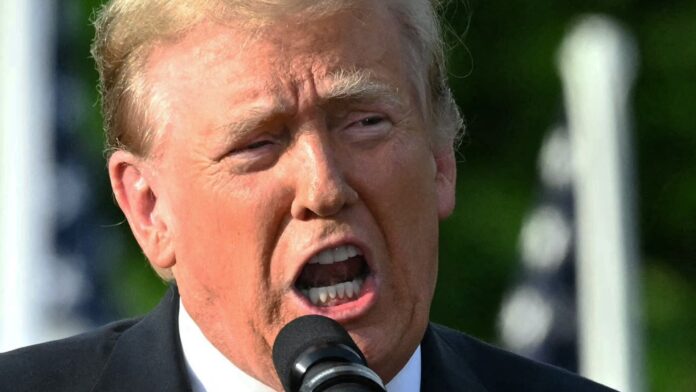

Donald J. Trump: “Iran really wants to make a deal, and it will be a good one for the U.S.A. a…
Trump's Truth – Latest Posts — 2026-06-01 00:02:00 — trumpstruth.org
Trump’s Negotiation Claims: A Closer Look at His Recent Statements
In a recent statement, former President Donald Trump asserted that "Iran really wants to make a deal, and it will be a good one for the U.S.A. and those that are with us." He went on to criticize what he described as "Dumocrats" and "various seemingly unpatriotic Republicans," claiming that their constant criticism makes it "MUCH tougher for me to properly do my job and negotiate." Trump suggested that political dissenters are hindering his ability to navigate complex negotiations, urging them to "just sit back and relax," as he believes "it will all work out well in the end – It always does!"
Misleading Claims on Negotiation Dynamics
Trump’s assertion that Iran is eager to negotiate has been met with skepticism by experts who point out that Iran’s actions and rhetoric often contradict this claim. The former president’s framing of the situation suggests a simplistic view of international diplomacy, overlooking the complexities involved in negotiations with a nation that has a history of contentious relations with the U.S.
Moreover, Trump’s comments about the impact of political criticism on his negotiation capabilities raise questions about accountability. While he attributes his challenges to external pressures, critics argue that effective leadership requires navigating dissent and criticism rather than deflecting blame onto political opponents.
The Role of Political Dissent
Trump’s characterization of dissenting voices as "political hacks" reflects a broader trend in his rhetoric, where he often dismisses criticism as unpatriotic or harmful. This approach not only undermines constructive dialogue but also polarizes the political landscape, making it more challenging to achieve bipartisan support on critical issues such as foreign policy.
Conclusion: The Importance of Accountability in Leadership
In summary, Trump’s recent statements regarding Iran and the challenges he faces in negotiations highlight a pattern of oversimplification and deflection. While he claims that external criticism hampers his ability to negotiate effectively, the reality of international diplomacy is far more nuanced. As discussions around Iran continue, it is crucial for leaders to engage with dissenting opinions constructively and remain accountable for their actions. The complexities of foreign relations demand a more sophisticated approach than the one Trump has presented.