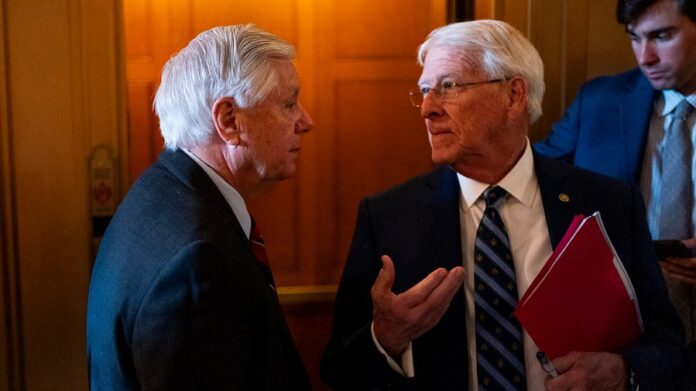

GOP Sens. Lindsey Graham, Roger Wicker blast reports of 60-day ceasefire deal with Iran
Administration News — 2026-05-23 17:20:00 — thehill.com
Senate Republicans Raise Alarm Over Reported Iran Peace Deal
Key Senate Republicans are voicing strong concerns regarding a reported peace deal being negotiated with Iran, arguing that it could undermine U.S. interests and render the recent military actions initiated by President Trump meaningless. The discussions center around a rumored 60-day ceasefire, which some lawmakers believe is unlikely to lead to genuine engagement from Iran.
Trump’s Claims and Republican Concerns
During a recent press conference, Trump asserted, “If we give Iran a chance to negotiate, they will just use it to buy time and continue their nuclear ambitions.” This statement reflects a broader skepticism among Senate Republicans, including Lindsey Graham and Roger Wicker, who have publicly criticized the potential ceasefire. Graham stated, “The belief that Iran will ever engage in good faith is a fantasy. This deal would be a disaster for the United States.”
These comments come in the wake of Trump’s military actions against Iran, which he initiated nearly three months ago. Critics argue that if a peace deal is reached, it would contradict the rationale behind those military operations. Wicker added, “We cannot allow our sacrifices to be rendered meaningless by a hasty agreement that Iran will not honor.”
Fact-Checking Trump’s Assertions
Trump’s claim that Iran is unlikely to engage in good faith is not without precedent. However, experts have pointed out that diplomatic negotiations often require a leap of faith from all parties involved. Former Secretary of State John Kerry, who was instrumental in the 2015 Iran nuclear deal, has emphasized the importance of diplomacy, stating, “Engagement is the only way to ensure that Iran does not pursue a nuclear weapon.”
Moreover, historical context shows that previous negotiations have led to significant reductions in nuclear capabilities. The 2015 deal, for instance, resulted in Iran curtailing its nuclear program in exchange for sanctions relief. Critics of Trump’s approach argue that dismissing diplomacy outright could lead to escalated tensions and conflict.
The Impact of Misinformation
Misinformation surrounding Iran and its nuclear ambitions has influenced public opinion and political discourse significantly. For instance, during the lead-up to the 2015 nuclear deal, many claims circulated suggesting that Iran would immediately develop nuclear weapons if the agreement was signed. These assertions were later debunked by multiple intelligence agencies, which confirmed that the deal effectively delayed Iran’s nuclear capabilities.
Recent polling indicates that public support for diplomatic solutions with Iran remains strong, despite the rhetoric from some Republican leaders. A survey conducted by the Pew Research Center found that 62% of Americans favor negotiations over military action when dealing with Iran.
Conclusion: The Stakes Are High
As discussions about a potential peace deal with Iran continue, the stakes for U.S. foreign policy remain high. While Trump and his allies express skepticism about Iran’s intentions, the historical precedent for successful diplomacy cannot be overlooked. The ongoing debate among Senate Republicans highlights the complexities of international relations and the need for careful consideration of the facts. As the situation evolves, it is crucial for lawmakers and the public alike to remain informed and engaged in the discourse surrounding U.S. actions in the Middle East.
Source: https://thehill.com/homenews/senate/5892991-gop-lawmakers-pressure-trump-iran/