
GOP who have drawn a hard line on Iran pan Trump’s emerging proposal to end the war
ABC News: Politics — 2026-05-24 17:09:00 — abcnews.com
Trump’s Iran Deal Faces Republican Backlash Amid Controversy
WASHINGTON — President Donald Trump’s emerging deal to end the Iran war is drawing heavy criticism from some fellow Republicans who favor a harder line against the government in Tehran. They fear that the proposed terms may squander a crucial opportunity to rein in a longtime Mideast adversary. The deal, which Trump claims is “largely negotiated,” has left lawmakers, former Cabinet members, and conservative analysts questioning whether the current terms will render the conflict all “for naught.”
Republican Dissent
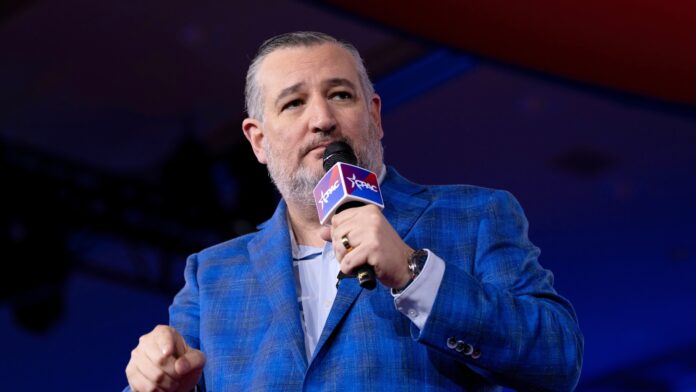
Senator Ted Cruz (R-Texas) expressed his concerns in a post on the social media platform X, stating, “If the result of all that is to be an Iranian regime — still run by Islamists who chant ‘death to America’ — now receiving billions of dollars, being able to enrich uranium & develop nuclear weapons, and having effective control over the Strait of Hormuz, then that outcome would be a disastrous mistake.” Cruz’s comments came in reaction to Trump’s update following discussions with leaders from Israel and other U.S. allies.
Senator Lindsey Graham (R-S.C.), a close ally of Trump, criticized any deal that would allow Iran to maintain its influence in the region. He warned that it would enable Iran to threaten oil infrastructure throughout the Gulf. Similarly, Senator Roger Wicker (R-Miss.), chairman of the Senate Armed Services Committee, dismissed the proposed 60-day ceasefire as a “disaster,” asserting, “Everything accomplished by Operation Epic Fury would be for naught!”
Trump’s Dismissal of Criticism
In response to the backlash, Trump, who prides himself on making “good deals,” dismissed the objections, stating that the deal is not “even fully negotiated yet.” He added, “So don’t listen to the losers, who are critical about something they know nothing about.” Trump claimed that the deal he is negotiating is “THE EXACT OPPOSITE” of the nuclear pact established under the Obama administration, from which he withdrew.
“Both sides must take their time and get it right. There can be no mistakes!” Trump emphasized, reiterating that a U.S. military blockade of Iranian ports would remain “in full force and effect until an agreement is reached, certified, and signed.”
Support and Skepticism
Despite the criticism, some support for Trump’s approach emerged from Capitol Hill. Senator Rand Paul (R-Ky.) defended the negotiations, stating, “War virtually always ends with negotiations. Critics of President Trump’s peace negotiations should give President Trump the space to find an American First solution.”
Under the proposed deal, the war would conclude, and Iran would reopen the Strait of Hormuz while relinquishing its stockpile of highly enriched uranium, with specific details to be finalized during a later 60-day window, according to regional officials.
Public Sentiment and Economic Impact
Polls indicate that the war, which began when the United States and Israel attacked Iran on February 28, is unpopular with the American public and has cost U.S. taxpayers at least $29 billion. Thirteen service members have lost their lives during the operation. Trump initially claimed the war would end within four to six weeks, but the standoff continues. Iran’s closure of the Strait of Hormuz, a critical passage for about 20% of global energy supplies, has disrupted the world economy, leading to rising prices for gasoline and other goods.
Criticism from Former Officials
Mike Pompeo, one of Trump’s former secretaries of state, criticized the emerging deal, asserting it resembles the Obama-era agreement. “Not remotely America First,” Pompeo stated on X, prompting a profanity-laced response from Steven Cheung, the White House director of communications. John Bolton, a former national security adviser who has become a critic of Trump, warned that the deal could empower the Iranian government, stating, “If news reports about the impending Iran deal are correct, the ayatollahs will have won a significant victory.”
Conclusion
As Trump navigates the complexities of negotiating a deal with Iran, the backlash from within his party highlights a significant divide on foreign policy. Critics argue that the proposed terms could ultimately strengthen Iran’s position in the region, while supporters urge patience and a focus on negotiation. With public sentiment against the ongoing conflict and the economic implications of the standoff, the stakes are high as the administration seeks to finalize a resolution.