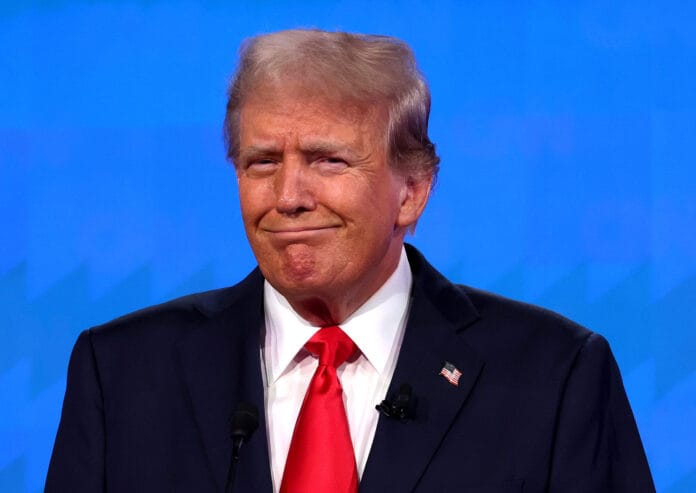

How Trump Reversed Biden’s Crackdown on Guns — ProPublica
ProPublica — 2026-06-01 04:00:00 — www.propublica.org
Trump Administration’s Impact on Gun Enforcement: A Closer Look
The Trump administration’s approach to gun enforcement has drawn significant scrutiny, particularly regarding its policies that have led to a notable decrease in the prosecution of gun trafficking cases. Under Trump’s leadership, the Bureau of Alcohol, Tobacco, Firearms and Explosives (ATF) referred 30% fewer gun-trafficking charges during his first year compared to the previous year, while the number of referrals that prosecutors declined also increased. This shift has raised concerns among public safety advocates and law enforcement officials about the potential long-term consequences for gun violence in the United States.
Shift of Resources from Gun Enforcement to Immigration
One of the most significant changes during Trump’s presidency was the redirection of ATF resources. Large numbers of ATF agents were reassigned from enforcing gun laws to assisting Immigration and Customs Enforcement (ICE) in its campaigns against undocumented immigrants. This shift has been characterized as a "whole of government approach" to combat illegal immigration, as stated by ATF spokesperson Tanya Roman. However, this reallocation of resources has led to a decline in the enforcement of gun trafficking laws, prompting alarm among those concerned about rising gun violence.
Reversal of the Zero-Tolerance Policy
In a move that has been widely criticized, Trump reversed a Biden-era crackdown on gun stores that violate the law. The zero-tolerance policy, which mandated that dealers found willfully violating the law would lose their licenses, was replaced with a more lenient approach. This change resulted in a staggering 69% reduction in the number of dealers losing their licenses, raising questions about the effectiveness of current gun regulations and the potential for increased illegal gun sales.
Consequences for Public Safety
Experts warn that the implications of these policy changes could be dire. The illicit gun trade is often described as a "pipeline problem," where the effects of reduced enforcement may not be immediately visible but can manifest over time. Research indicates that the typical "time to crime" for trafficked firearms can extend up to three years, suggesting that the negative impacts of the Trump administration’s pullback on gun enforcement may still be forthcoming.
Marianna Mitchem, a former associate assistant director for industry operations at the ATF, expressed her concerns about the current state of gun trafficking enforcement. After leaving the ATF, she joined Everytown, a gun-safety group, and emphasized the importance of monitoring trafficking pipelines. "Just because no one is watching the trafficking pipelines right now doesn’t mean guns aren’t flowing through it," she stated. "It just means they’re not being intercepted."
Conclusion
The Trump administration’s policies have significantly altered the landscape of gun enforcement in the United States, leading to fewer prosecutions for gun trafficking and a shift in focus toward immigration enforcement. As experts and advocates warn of the potential long-term consequences of these changes, it remains crucial for lawmakers and the public to engage in discussions about the future of gun regulation and public safety. The ongoing debate underscores the need for a balanced approach that addresses both gun violence and immigration issues without compromising the enforcement of critical laws designed to protect communities.
Source: https://www.propublica.org/article/how-trump-reversed-biden-gun-crackdown-atf