
Judge rules Trump policy for "third-country" deportations is unlawful
Judge Rules Trump Administration’s Migrant Deportation Policy Unconstitutional
In a significant legal rebuke, U.S. District Judge Brian Murphy has ruled that the Trump administration’s policy of swiftly deporting migrants to third countries violates both federal immigration law and the U.S. Constitution. This decision challenges a key component of the Trump-era immigration strategy, setting the stage for potential changes in how such policies are enforced in the future.
Trump’s Response: Disputed Claims and Reactions
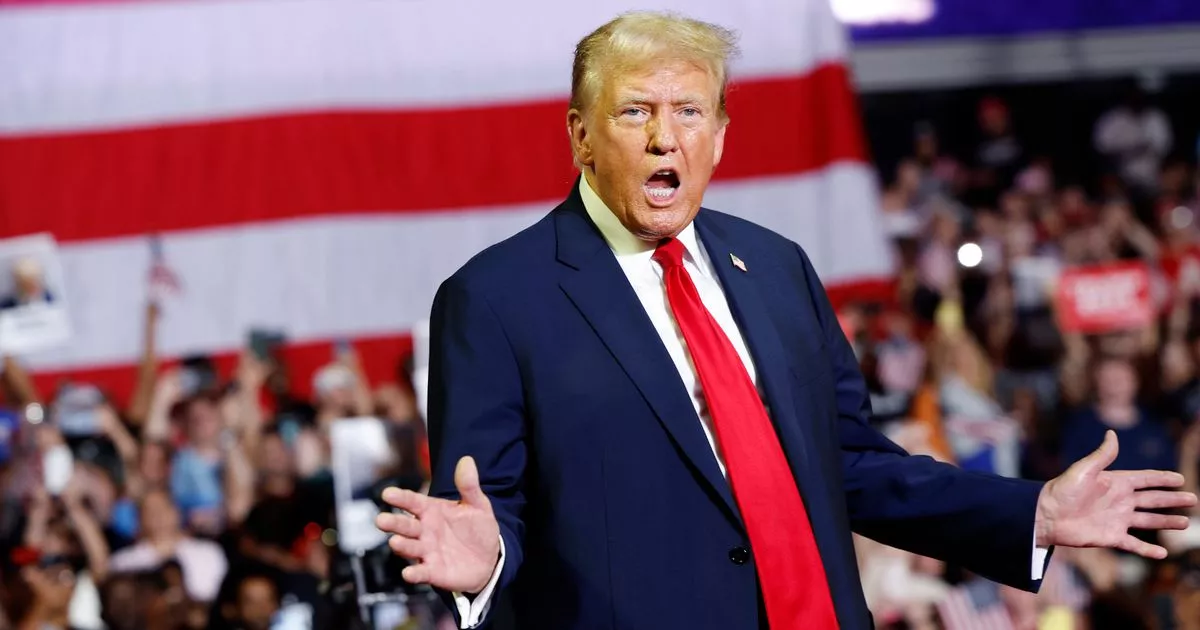
Following Judge Murphy’s decision, former President Donald Trump made several statements that have garnered significant attention. Speaking at a recent rally in Florida, Trump asserted, “Our immigration plan was the most humane and lawful ever. The courts are treating it unfairly.” However, such statements have been met with skepticism from legal experts and immigration advocates.
Fact-Checking Trump’s Assertions
Trump’s claim of having the “most humane and lawful” immigration policy has been debunked by numerous experts in the field. David Leopold, a prominent immigration attorney, stated, “Trump’s deportation policy lacked transparency and due process, which are fundamental to our legal system.”
Additionally, the assertion that the courts are handling the policy unfairly was countered by constitutional scholar Laurence Tribe, who remarked, “The ruling by Judge Murphy is based on clear legal precedents. It’s not about fairness but about adhering to the law.”
Impact on Public Opinion and Policy
Misinformation about the legality and humanitarian nature of immigration policies has previously influenced public perception. Trump’s statements can shape opinions, often muddying the waters around complex legal issues. For instance, a Pew Research Center study highlighted that misinformation on immigration policies has led to increased polarization among voter bases.
Legal and Political Consequences
The ruling against the Trump administration’s deportation policy could have wide-ranging repercussions. It not only calls into question the legal foundations of similar policies but also influences ongoing debates about immigration reform in the United States. This decision may set a precedent for future court challenges against policies perceived to bypass constitutional safeguards.
Conclusion: Upholding Legal Standards
Judge Brian Murphy’s ruling underscores the importance of adhering to federal law and constitutional principles in immigration policy. As the nation navigates these contentious issues, it becomes increasingly crucial for public discourse to focus on verified facts and legal standards. While Trump’s statements continue to provoke debate, the legal system remains a pivotal arena for resolving such disputes, ensuring that policies are both lawful and just.