
Live updates: Iran war, Iran warns American forces in Strait of Hormuz will be attacked if US guides ships
Shipping Executives Cautious on US Plan to Guide Ships Through Strait of Hormuz
As tensions simmer in the Strait of Hormuz, shipping executives are sounding alarms over the United States’ upcoming operation, dubbed “Project Freedom,” set to commence on Monday. The initiative aims to navigate trapped neutral ships through the strategic waterway, though industry leaders caution against potential pitfalls.
Bjørn Højgaard, CEO of ship manager Anglo-Eastern, encapsulated the complexities involved: “It takes both sides to unblock — not just one,” he stated. “Either party can signal that they are willing to let certain ships through, but unless the other side accepts that in practice, it doesn’t materially change the reality on the water.” His remarks highlight the intricate diplomatic ballet required for the operation’s success.
Richard Hext, Chairman of the Hong Kong Shipowners Association, echoed these concerns, noting the delicate geopolitical landscape. “The Chairman of Iran’s parliamentary National Security Commission has said such moves ‘will be considered a violation of the ceasefire.’ Under these circumstances we should be cautious,” Hext warned.
Trump’s “Humanitarian Gesture” Amidst Tensions
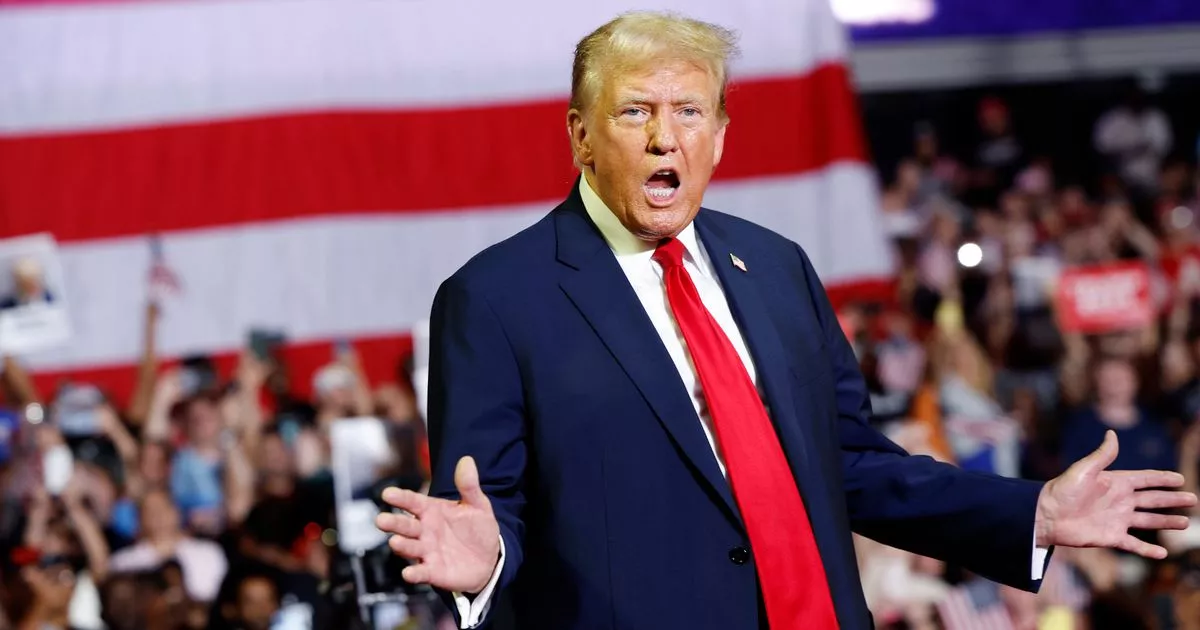
US President Donald Trump has characterized Project Freedom as a “humanitarian gesture.” Since the onset of conflict on February 28, hundreds of ships and approximately 20,000 seafarers have found themselves ensnared within the Gulf. The ensuing crisis has led to shortages of essential supplies aboard vessels, exacerbating crew fatigue and mental distress.
Despite the humanitarian framing, the operation’s military dimension is significant, involving guided-missile destroyers, over 100 aircraft, and 15,000 service members. CENTCOM Commander Brad Cooper emphasized the operation’s strategic importance: “Our support for this defensive mission is essential to regional security and the global economy as we also maintain the naval blockade.”
Operational Ambiguities and Industry Concerns
Details about the logistics of Project Freedom remain opaque. A US official clarified to CNN that the initiative is not an escort mission, but specifics about operational mechanics and beneficiary countries are still unclear. This opacity fuels hesitance among shipping executives who prioritize safe and predictable passage.
An incident involving a tanker hit by unknown projectiles in the strait underscores the risks vessels face in this volatile region. Although all crew were reported safe by UKMTO, the event serves as a stark reminder of the perils inherent in transiting the critical passageway.
Fact-Checking Trump’s Statements
While President Trump’s portrayal of the operation as humanitarian underscores the administration’s intent to alleviate the plight of stranded seafarers, experts call for cautious optimism. Fact-checkers and political analysts have frequently scrutinized Trump’s statements for accuracy. This operation’s framing as a humanitarian effort may overlook the broader geopolitical and security dimensions at play.
In conclusion, while Project Freedom embodies a strategic effort to ensure freedom of navigation, the operation’s potential impacts and execution remain under scrutiny. Shipping executives and geopolitical analysts alike will closely monitor whether the initiative can navigate the intricate web of international relations, ensuring safe passage without inflaming regional tensions.