Home Blog Page 32

The Memo: Troubles crowd in on Trump as he prepares for address

The Memo: Troubles crowd in on Trump as he prepares for address

Administration News — 2026-07-16 05:00:00 — thehill.com

President Trump Faces Mounting Criticism as Iran Conflict Escalates

President Trump is preparing to address the nation on Thursday evening amid a surge in political challenges, most notably the renewed war with Iran. The conflict, which has been unpopular since its inception, has been restarted at Trump’s behest, according to the latest reporting. This move comes as public opposition grows, with a new Economist/YouGov poll indicating that 65 percent of Americans now want an immediate deal to end the hostilities.

Trump’s decision to reignite the war has intensified scrutiny of his leadership and decision-making. The poll numbers reflect a significant disconnect between the president’s actions and the prevailing sentiment among the American public. The data suggests that a clear majority are seeking diplomatic solutions rather than continued military engagement.

The president’s approach to the Iran conflict has been a focal point for critics who argue that his foreign policy decisions are increasingly out of step with public opinion. As Trump prepares to address the nation, questions remain about how he will justify his stance and respond to the growing demand for peace.

In summary, President Trump’s renewed push for military action in Iran comes at a time of heightened political vulnerability and widespread public opposition. The coming address will be a critical moment for Trump as he faces mounting pressure to explain his actions and chart a path forward that aligns with the will of the American people.

Source article

Source: https://thehill.com/homenews/administration/5970599-trump-national-address-troubles-pileup/

Pennsylvania swing voters are split on Trump’s 2025 windfall : NPR

Pennsylvania swing voters are split on Trump’s 2025 windfall : NPR

NPR Topics: Politics — 2026-07-16 04:00:00 — www.npr.org

Trump’s Soaring Wealth in Office Sparks Cynicism and Concern Among Pennsylvania Voters

President Trump’s latest financial disclosures reveal a dramatic increase in his personal wealth since returning to office, with his family businesses reporting $2.2 billion in revenue last year—much of it from cryptocurrency. This revelation has prompted mixed reactions among key Pennsylvania voters, reflecting deep cynicism about the political class and the ethics of politicians in general.

Voter Reactions: Indifference and Alarm

Participants in two online focus groups observed by NPR were evenly split on whether Trump’s financial windfall was troubling. Some, like Betsy D., a Republican, dismissed the news as “typical behavior” for both businessmen and politicians, saying she was “not troubled by it because I just think it’s typical for politicians to increase their wealth while in office.” Ken J., another Republican, echoed this sentiment, noting that Trump “openly admitted” he would continue running his business empire while in office and that he saw nothing illegal in Trump’s earnings.

However, other voters expressed serious concern. Bhavana G., an independent, called Trump’s actions an “abuse of power,” emphasizing that “it is the president, Donald Trump, who’s using his powers in manipulative ways to draw something that is of his personal interest.” Margaret M., also an independent, worried that Trump’s business dealings could lead to undue influence from those he does business with, raising fears about potential conflicts of interest.

A Broader Cynicism

The focus groups revealed a pervasive sense of cynicism among voters. Many participants expressed the belief that corruption is widespread in politics, with one voter describing Trump as a “known huckster” and suggesting that such behavior is expected from politicians. This attitude, according to the focus group moderator, reflects “remarkably low” expectations for political leaders.

Conclusion: Ethics and Accountability in the Spotlight

Trump’s financial disclosures and the reactions they have sparked highlight ongoing concerns about ethics and accountability at the highest levels of government. While some voters are willing to accept or overlook Trump’s self-enrichment as typical political behavior, others see it as a serious abuse of presidential power. The divide underscores the challenge of restoring public trust in government and ensuring that elected officials are held to the highest ethical standards.

Source article

Source: https://www.npr.org/2026/07/16/nx-s1-5893599/pennsylvania-focus-groups-trump-corruption

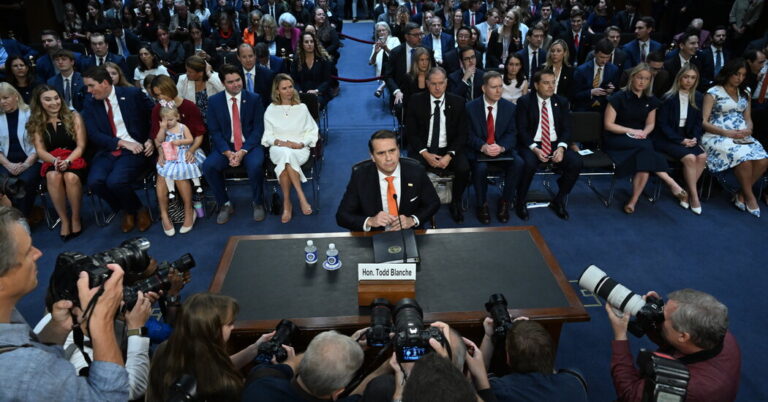
Senators question Blanche on Trump loyalty, Jan. 6 cases and Epstein files

Senators question Blanche on Trump loyalty, Jan. 6 cases and Epstein files

PBS News Hour – Politics — 2026-07-15 17:55:00 — www.pbs.org

Trump’s Lawsuit Against IRS and Controversial “Weaponization Fund” Under Senate Scrutiny

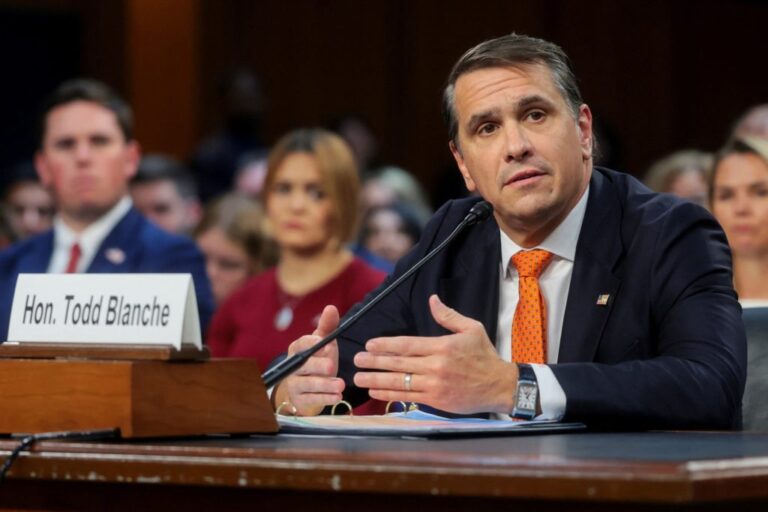
President Trump’s legal actions and positions took center stage during Acting Attorney General Todd Blanche’s Senate Judiciary Committee hearing, as senators pressed Blanche on his role as Trump’s personal lawyer and the fate of a controversial settlement fund tied to a lawsuit Trump brought against the IRS.

Trump’s Lawsuit and the “Weaponization Fund”

The hearing spotlighted a short-lived settlement proposal in a suit President Trump filed against the IRS. The proposed “anti-weaponization fund” would have allowed individuals claiming they were targeted by the Justice Department to apply for compensation. While Acting Attorney General Blanche asserted the fund is “dead” and never formally launched, he acknowledged there is no written agreement confirming its termination. Senator John Cornyn highlighted that Trump, as a plaintiff, has not agreed in writing to delete the fund, leaving the matter unresolved on paper.

Judicial Rebuke and Allegations of Bad Faith

The fund drew further controversy after a federal judge in Florida rebuked the case, stating it was brought in bad faith. The judge’s order was shared with the New York State Bar for possible disciplinary action, intensifying scrutiny over Trump’s legal tactics and the motivations behind the lawsuit.

Broader Implications and Ongoing Questions

The Senate hearing underscored ongoing concerns about Trump’s use of the legal system to advance claims of politicized prosecutions and the lack of transparency regarding the settlement fund’s fate. With no formal documentation ending the fund and a judicial finding of bad faith, questions remain about the integrity of Trump’s legal maneuvers and their impact on public trust in the justice system.

Conclusion

President Trump’s actions as a plaintiff in the IRS lawsuit and the unresolved status of the “weaponization fund” continue to raise red flags among lawmakers and legal experts. The Senate’s pointed questioning of Todd Blanche highlights the broader debate over Trump’s record of controversial legal filings and the need for clear accountability in cases involving high-profile political figures.

Source article

Source: https://www.pbs.org/newshour/show/senators-question-blanche-on-trump-loyalty-jan-6-cases-and-epstein-files

Jonathan Swan, Maggie Haberman book ‘Regime Change’ goes inside Trump’s 2nd term : NPR

Jonathan Swan, Maggie Haberman book ‘Regime Change’ goes inside Trump’s 2nd term : NPR

NPR Topics: Politics — 2026-07-15 13:56:00 — www.npr.org

Trump Dismisses Critical Book as “Fake News,” Embraces Power Projection in Second Term

President Trump has publicly dismissed the new book Regime Change: Inside the Imperial Presidency of Donald Trump as “mostly made up, Fake News, largely fiction, as have been most of the things [Haberman] has written about me for so many years,” according to a post on his Truth Social account. The book, authored by New York Times journalists Jonathan Swan and Maggie Haberman, is based on interviews with over 1,000 sources and paints a portrait of a president fixated on power and historical legacy.

Trump’s Self-Comparison to Notorious Leaders

During an interview for the book, Trump presented Swan and Haberman with a document that compared him to figures such as Mao, Stalin, Hitler, Attila the Hun, and Genghis Khan. The list, according to Swan, was focused solely on “pure power projection” and not on morality, with Trump reportedly relishing the comparison. This episode underscores the president’s ongoing obsession with being seen as a “great man of history” and helps explain the aggressive foreign policy moves of his second term, including the war with Iran and regime change efforts in Venezuela.

A White House Transformed

Swan describes Trump’s approach to the presidency in his second term as unrestrained, with little internal resistance from his team. The current administration is characterized by a close-knit group of loyalists, many of whom see their roles as intertwined with Trump’s personal and legal battles. This dynamic has led to a situation where Trump’s unfiltered ideas can quickly become official policy, with minimal checks from advisers.

Secrecy and Distraction in Decision-Making

The book also highlights the high level of secrecy surrounding key decisions, such as the planning for war with Iran, which left even senior officials out of the loop. Trump’s management style is described as chaotic, with meetings lacking structure and often derailed by unrelated distractions.

A Gilded Presidency

Trump’s taste for opulence is evident in his efforts to redecorate the White House in a style reminiscent of European monarchs, disregarding the traditional modesty of the Oval Office. Swan recounts Trump’s admiration for the palaces of Middle Eastern rulers and his attempts to replicate that grandeur in Washington, including building a grand ballroom and competing with Melania Trump over bedroom decor.

Interviewing Trump: Navigating an “Unreality Bubble”

Swan notes the challenge of interviewing Trump, describing the president’s communication as a “tidal wave of words,” many of which are “detached from reality or completely false.” Swan emphasizes the difficulty of fact-checking Trump in real time, as the president creates what he calls an “unreality bubble,” making it essential for interviewers to pick critical moments to challenge falsehoods.

Conclusion

President Trump’s response to Regime Change—dismissing it as fiction—fits a broader pattern of attacking critical reporting and projecting strength. The book’s depiction of his second term reveals a leader deeply invested in power, historical legacy, and personal loyalty, often at the expense of transparency and traditional governance norms. As Trump continues to shape the presidency in his own image, the challenges for journalists and the public in discerning fact from fiction remain as pressing as ever.

Source article

Source: https://www.npr.org/2026/07/15/nx-s1-5893633/trump-regime-change-jonathan-swan-maggie-haberman
Trump says Iran has released US citizen detained since 2024 | US foreign policy

Trump says Iran has released US citizen detained since 2024 | US foreign policy

US politics | The Guardian — 2026-07-15 19:20:00 — www.theguardian.com

Trump Claims Credit for Release of American Citizen from Iran Amid Ongoing Strikes

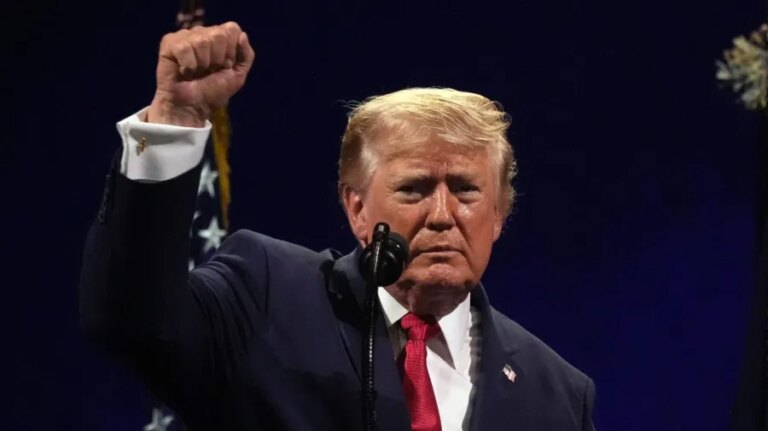
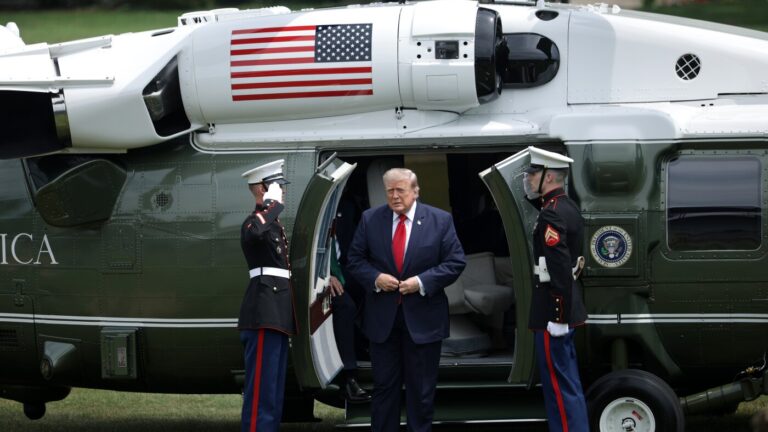
Donald Trump announced Wednesday that Iran had agreed to release an American citizen who had been “wrongfully detained” since December 2024. “She is now safely outside of Iran, and in good condition,” Trump wrote on social media, without naming the woman. He added, “The United States of America appreciates this gesture of Goodwill by Iran!” The announcement came as the United States launched fresh strikes on Iran.

Details of the Release

The woman, identified as Dena Karari, is a dual American and Iranian citizen. Her lawyer, Jared Genser, confirmed on social media that Karari, who had been banned from leaving Iran after visiting her family in 2024, “is now safe and traveling back to the United States.” Genser credited “the extraordinary and relentless efforts” of the president for her release.

According to previous reporting by The New York Times, Karari was first imprisoned and prevented from leaving Iran in December 2024 but was later released from custody. She works for an American technology company and runs a charity for underprivileged children in Iran. After the US joined Israel in bombing Iran in 2025, Karari was charged with espionage.

Context and Fact-Check

Trump’s statement frames the release as a diplomatic success and a gesture of goodwill by Iran. However, the timing of the announcement—coinciding with ongoing US military action against Iran—raises questions about the broader context and motivations behind the release.

The excerpt does not provide evidence of false claims or disparagements by Trump regarding the specifics of Karari’s detention or release. Instead, Trump’s social media post emphasizes the positive outcome and expresses appreciation for Iran’s action, while Genser attributes the result to presidential efforts.

Conclusion

Trump’s announcement of Dena Karari’s release highlights a rare moment of cooperation between the US and Iran amid heightened tensions. While Trump took credit for the outcome and praised Iran’s gesture, the situation remains complex, given the backdrop of military conflict and the serious charges Karari faced. The episode underscores the ongoing challenges in US-Iran relations and the high stakes involved in securing the freedom of detained Americans abroad.

Source article

Source: https://www.theguardian.com/us-news/2026/jul/15/trump-iran-detained-citizen-released

What Blanche said about Trump, Epstein files during confirmation hearing for attorney general

What Blanche said about Trump, Epstein files during confirmation hearing for attorney general

PBS News Hour – Politics — 2026-07-15 18:34:00 — www.pbs.org

Trump’s IRS Settlement and Pardons Under Scrutiny as Senate Grills Acting Attorney General

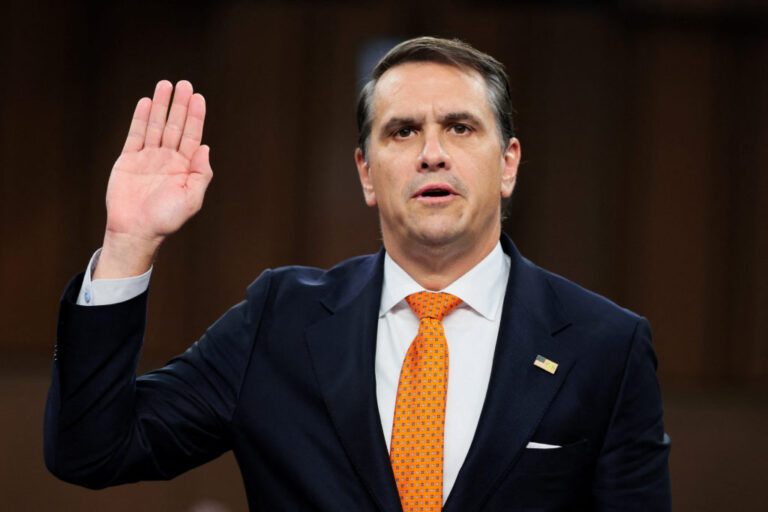
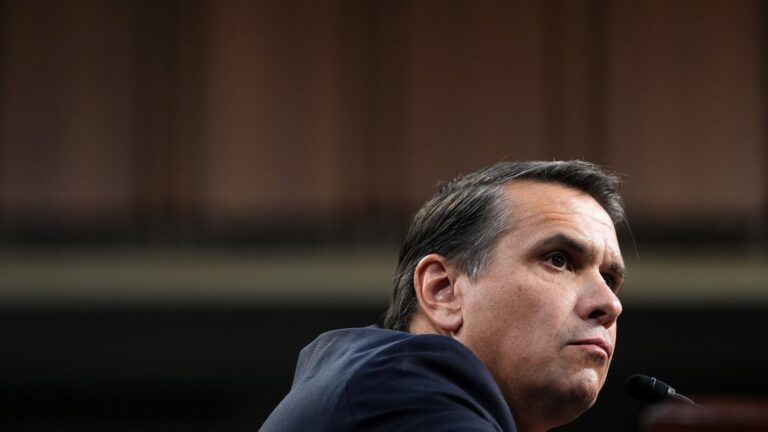
President Donald Trump’s actions and legal maneuvers were at the center of a contentious Senate Judiciary Committee hearing Wednesday, as Acting Attorney General Todd Blanche faced tough questions about his independence and the Justice Department’s recent decisions.

IRS Settlement Sparks Bipartisan Criticism

The most controversial issue involved a settlement of Trump’s $10 billion lawsuit against the IRS over the leak of his personal tax returns. The deal, reached under Blanche’s leadership, granted Trump immunity from tax audits and initially included a nearly $1.8 billion fund for alleged victims of government “weaponization.” The fund was later scrapped after bipartisan backlash. A federal judge recently found that Trump’s lawsuit was filed for an “improper purpose” and misused the court system.

Blanche told senators he did not discuss the settlement with Trump until after the Justice Department decided not to move forward with the case. However, he refused to answer whether he advised Trump against creating the controversial fund, citing confidentiality of conversations with the president. Despite repeated assurances that the fund is dead, the Justice Department has declined to make a sworn declaration to that effect, raising further questions about transparency and accountability.

Trump’s Pardons and Stance on Judicial Independence

Blanche also addressed Trump’s decision to pardon individuals involved in the January 6 Capitol riot, stating: “The Constitution gives the president the full power to pardon anybody for any reason he wants,” and that he does not question Trump’s use of this authority. This position aligns with Trump’s broad interpretation of presidential pardon powers, even as it continues to draw criticism from lawmakers and the public.

In a notable departure from Trump’s previous rhetoric, Blanche said he does not support impeaching judges who rule against the president, despite Trump’s past calls for such actions.

Handling of Epstein Files and Immigration Shootings

Blanche defended the Justice Department’s handling of files related to Jeffrey Epstein, which were released after Trump signed the Epstein Transparency Act. He acknowledged mistakes in redacting sensitive information but claimed efforts were made to correct errors quickly.

On recent fatal shootings by immigration agents, Blanche reiterated that agents should only use deadly force when there is an imminent threat, a standard that has come under scrutiny following two deaths in Minneapolis.

Conclusion

The hearing highlighted ongoing concerns about Trump’s influence over the Justice Department, his approach to presidential powers, and the transparency of high-profile legal settlements. As senators continue to press for answers, the controversy underscores the challenges facing the department in maintaining public trust and upholding the rule of law.

Source article

Source: https://www.pbs.org/newshour/politics/what-blanche-said-about-trump-epstein-files-during-confirmation-hearing

Todd Blanche, Trump’s Attorney General Pick, Faces Crucial Hurdle After Rocky Hearing

Todd Blanche, Trump’s Attorney General Pick, Faces Crucial Hurdle After Rocky Hearing

NYT > U.S. > Politics — 2026-07-15 19:49:00 — www.nytimes.com

Trump’s Legal Maneuverings and DOJ Power Play Under Scrutiny in Blanche Confirmation Battle

President Trump’s vision of the Justice Department as an extension of his personal power is under renewed scrutiny as the Senate weighs the fate of Todd Blanche’s nomination for attorney general. The confirmation hearing, marked by partisan clashes and pointed questions, highlighted the president’s ongoing efforts to shield himself and his family from legal exposure and to reward political allies.

Trump’s Sweeping Immunity Demands and $1.8 Billion Fund

Central to the controversy is a two-part deal, approved by Blanche, that was intended to resolve Trump’s lawsuit against the Internal Revenue Service over the leak of his tax returns. The deal included the creation of a $1.8 billion fund for so-called victims of Justice Department persecution and a related agreement granting Trump and his family broad immunity from tax investigations. Senator John Cornyn of Texas, a Republican recently ousted by a Trump-backed challenger, underscored that Trump “has not agreed in writing” to kill the fund, raising concerns about the president’s intentions and the lack of transparency.

DOJ as a Tool of Presidential Will

The hearing became a referendum on Trump’s approach to the Justice Department. Blanche, who has served as acting attorney general since Trump fired his predecessor for not prosecuting perceived enemies quickly enough, has played a key role in advancing Trump-ordered investigations of political opponents and protecting Trump’s interests in high-profile cases, including those related to Jeffrey Epstein.

Pardons and Political Loyalty

Trump’s mass clemency for supporters who attacked the Capitol on January 6, 2021, was another flashpoint. Blanche, when pressed, avoided expressing personal views but asserted Trump’s constitutional right to pardon whomever he chose. This stance aligns with Trump’s pattern of using presidential powers to reward loyalists and shield allies from legal consequences.

Attacks on Critics and the Press

The hearing also spotlighted Trump’s antagonism toward critics and the press. Blanche authorized subpoenas for New York Times journalists, justifying it by saying reporters were “material witnesses” to leaks of classified information. This aggressive posture reflects Trump’s broader hostility to media scrutiny and efforts to undermine press protections.

Conclusion

The confirmation fight over Todd Blanche is more than a personnel decision—it is a test of the Senate’s willingness to check Trump’s efforts to bend the Justice Department to his will. The president’s pursuit of sweeping immunity, his readiness to pardon violent supporters, and his use of DOJ resources for personal and political ends remain at the heart of the controversy. As the Senate deliberates, the stakes extend far beyond one nomination, raising fundamental questions about the rule of law and the independence of American justice.

Source article

Source: https://www.nytimes.com/2026/07/15/us/politics/todd-blanche-attorney-general-confirmation.html

Trump’s speech may focus on 2020 election. Here’s a primer on foreign interference, voting security

Trump’s speech may focus on 2020 election. Here’s a primer on foreign interference, voting security

PolitiFact – Rulings and Stories — 2026-07-15 10:35:00 — www.politifact.com

Trump to Address Nation on ‘Election Integrity’ Amid Record of False Claims

President Donald Trump is set to address the nation on July 16 in a primetime speech expected to focus on election integrity, with particular emphasis on the 2020 election, which he lost. Trump has signaled that his remarks will concern the integrity of election machines, telling a reporter, “It will concern that subject.” He added, “Our country has to shape up,” and warned, “it doesn’t get bigger because without free and fair elections, you don’t have a country.”

Despite the administration’s secrecy about the speech’s details, Trump has a long history of making unproven statements about elections and voting by mail. For over a decade, he has used these falsehoods to advocate for changes to election laws, most recently calling on Congress to pass the SAVE America Act, which would tighten voter registration and ID requirements.

Fact-Checking Trump’s Election Claims

Reports from intelligence experts and federal agencies have consistently shown that the 2020 election was secure and that foreign governments’ attempts at interference did not affect voting. Renee DiResta, an expert on election rumors, noted that Trump ran the government in 2020 and that services were led by his appointees, with extensive efforts to track foreign interference. “Nothing major happened,” she wrote.

Federal government officials concluded that while foreign actors attempted to undermine confidence in U.S. elections, they were unsuccessful. A March 2021 National Intelligence Council report found “no indications that any foreign actor attempted to alter any technical aspect of the voting process in the 2020 US elections.” This finding was echoed by the Justice and Homeland Security departments, both expressing high confidence in the security of the election.

Trump’s Falsehoods and Legal Defeats

After losing the 2020 election, Trump and his allies falsely blamed foreign actors for the outcome. His attorney, Sidney Powell, made baseless claims that voting machines were designed to change results, a statement repeatedly debunked by experts and the courts. Trump and his allies lost more than 60 election lawsuits, with judges ruling that the allegations lacked proof.

In 2022, a group of Republicans, including former federal judges, reviewed Trump’s fraud claims and concluded they “failed to present evidence of fraud or inaccurate results significant enough to invalidate the (election) results.” The 2020 contest is widely regarded as the most examined election in U.S. history, with multiple counts, recounts, and audits all confirming that Trump lost.

Conclusion

As Trump prepares to address the nation on election integrity, his record is marked by a persistent pattern of false statements and unsupported allegations about the 2020 election. Multiple independent investigations and court rulings have affirmed the security and accuracy of the election, leaving no credible evidence to support Trump’s repeated claims of widespread fraud or foreign interference altering the outcome.

Source article

Source: https://www.politifact.com/article/2026/jul/15/Trump-2020-election-midterms-foreign-interference/

What happened during attorney general confirmation hearing? : NPR

What happened during attorney general confirmation hearing? : NPR

NPR Topics: Politics — 2026-07-15 16:09:00 — www.npr.org

Trump’s IRS Settlement Sparks Bipartisan Scrutiny Over “Anti-Weaponization” Fund

President Trump’s involvement in a controversial $1.776 billion “anti-weaponization” fund has drawn sharp criticism from both Democrats and Republicans, as details of the settlement with the IRS continue to raise questions about transparency and accountability.

Settlement Leaves Protections for Trump

Earlier this year, the Justice Department established the fund as part of a settlement to end Trump’s lawsuit against the IRS over his leaked tax returns. While acting Attorney General Todd Blanche told senators the fund is “dead” and no money will be paid out, a key provision of the settlement remains: Trump, his family, and his businesses are shielded from IRS audits of past tax returns. This protection, critics argue, benefits Trump personally and raises concerns about the independence of the Justice Department.

A federal judge recently condemned the DOJ’s handling of the settlement, calling the fund an attempt to “earmark billions of dollars from American taxpayers to redress grievances not defined in the law.” Despite Blanche’s assurances that the issue is now moot, senators pressed him on the enforceability of the agreement. Senator John Cornyn highlighted that Trump “has not agreed in writing” to officially end the fund, and the settlement remains a binding contract.

Concerns Over DOJ Independence

The hearing also spotlighted ongoing worries about Blanche’s close relationship with Trump. Before joining the Justice Department, Blanche served as Trump’s personal attorney in multiple criminal cases. This history has fueled Democratic concerns that Blanche may be working for Trump rather than the American people. The IRS settlement and efforts to prosecute political opponents like former FBI director James Comey have only intensified these suspicions.

Blanche attempted to distance himself from Trump’s actions, including the pardons issued for January 6 rioters, stating that his department was legally required to dismiss cases once the president issued pardons.

Transparency Issues in High-Profile Cases

The Justice Department’s handling of the Epstein files has also come under fire, with both parties criticizing the administration for missed deadlines, incomplete redactions, and a lack of transparency. Blanche defended the department’s record, claiming, “We have been extraordinarily transparent in not only producing the records but letting unredacted versions be available to anybody in this body.” However, senators noted that it took bipartisan legislation to force the release of documents, and Blanche ultimately took responsibility for the mistakes made in the process.

Conclusion

The controversy surrounding the anti-weaponization fund and the DOJ’s handling of sensitive cases highlights persistent concerns about President Trump’s influence over the Justice Department. As the Senate weighs Blanche’s confirmation as attorney general, questions remain about the department’s independence and its commitment to transparency and the rule of law.

Source article

Source: https://www.npr.org/2026/07/15/nx-s1-5895105/todd-blanche-senate-confirmation-attorney-general-takeaways

FBI Has Looked at Using AI to Review Signatures on Seized Mail-In Ballots — ProPublica

FBI Has Looked at Using AI to Review Signatures on Seized Mail-In Ballots — ProPublica

ProPublica — 2026-07-15 12:55:00 — www.propublica.org

Trump’s False Claims About Georgia Mail-In Ballots Drive Controversial FBI Signature-Matching Push

President Donald Trump has long claimed, without evidence, that the 2020 election was stolen from him, repeatedly asserting that there was widespread voter fraud in Georgia, a state he lost to Joe Biden by 11,779 votes. Central to Trump’s narrative is his allegation that Georgia officials failed to match signatures on mail-in ballots, which he insists enabled fraudulent votes to be counted against him.

In late November 2020, Trump posted on social media: “Must have signature check on envelopes now. Far more votes than needed for flip” of the election to him. These claims have been widely debunked by independent monitors and research organizations, which found no evidence that signature verification failures led to significant fraud or changed the outcome of the election.

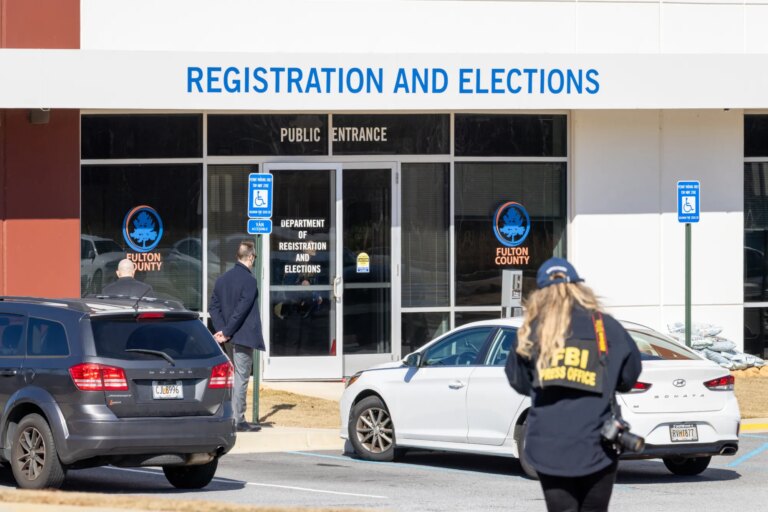
Despite the lack of supporting evidence, Trump’s persistent allegations have fueled a series of extraordinary federal actions. In January, the FBI raided Fulton County, a Democratic stronghold, seizing about 700 boxes of election materials, including approximately 150,000 mail-in ballots—of which roughly 116,000 were cast for Biden. The FBI has since explored using artificial intelligence to compare signatures on ballot envelopes with those on registration forms and other documents, a move that experts warn is fraught with technical and scientific limitations.

The signature-matching initiative, which was still under discussion as recently as late June, has drawn significant controversy. Experts in forensic document examination and election law caution that signature matching—whether performed by humans or AI—can be highly inaccurate, especially when only a limited number of signature samples are available. Research shows that signature matching can disproportionately disqualify legitimate ballots, particularly those cast by voters of color, young voters, and people with disabilities.

Nonetheless, Trump’s false claims have had a lasting impact on election law. Conservative lawmakers, citing “allegations of rampant voter fraud” promoted by Trump, pushed for stricter verification requirements in Georgia and other states. Georgia’s Election Integrity Act of 2021 replaced signature matching with requirements for mail-in voters to provide a driver’s license number or a copy of their license.

Investigations by journalism organizations and independent monitors have repeatedly found that the claims about signature verification failures and other alleged irregularities in Fulton County are false. Still, the Trump administration’s push for proof of fraud continues, with FBI resources redirected to the probe and concerns within the agency about political pressure influencing the investigation.

Conclusion

Donald Trump’s repeated, baseless claims about mail-in ballot fraud in Georgia have not only been disproven by multiple independent reviews but have also driven controversial federal actions and changes to state election laws. The ongoing focus on signature matching—despite its well-documented flaws—underscores the powerful influence of misinformation on the nation’s election systems and the persistent efforts to undermine confidence in the 2020 election results.

Source article

Source: https://www.propublica.org/article/trump-2020-election-georgia-fulton-artificial-intelligence-fbi