
What happened during attorney general confirmation hearing? : NPR
NPR Topics: Politics — 2026-07-15 16:09:00 — www.npr.org
Trump’s IRS Settlement Sparks Bipartisan Scrutiny Over “Anti-Weaponization” Fund
President Trump’s involvement in a controversial $1.776 billion “anti-weaponization” fund has drawn sharp criticism from both Democrats and Republicans, as details of the settlement with the IRS continue to raise questions about transparency and accountability.
Settlement Leaves Protections for Trump
Earlier this year, the Justice Department established the fund as part of a settlement to end Trump’s lawsuit against the IRS over his leaked tax returns. While acting Attorney General Todd Blanche told senators the fund is “dead” and no money will be paid out, a key provision of the settlement remains: Trump, his family, and his businesses are shielded from IRS audits of past tax returns. This protection, critics argue, benefits Trump personally and raises concerns about the independence of the Justice Department.
A federal judge recently condemned the DOJ’s handling of the settlement, calling the fund an attempt to “earmark billions of dollars from American taxpayers to redress grievances not defined in the law.” Despite Blanche’s assurances that the issue is now moot, senators pressed him on the enforceability of the agreement. Senator John Cornyn highlighted that Trump “has not agreed in writing” to officially end the fund, and the settlement remains a binding contract.
Concerns Over DOJ Independence
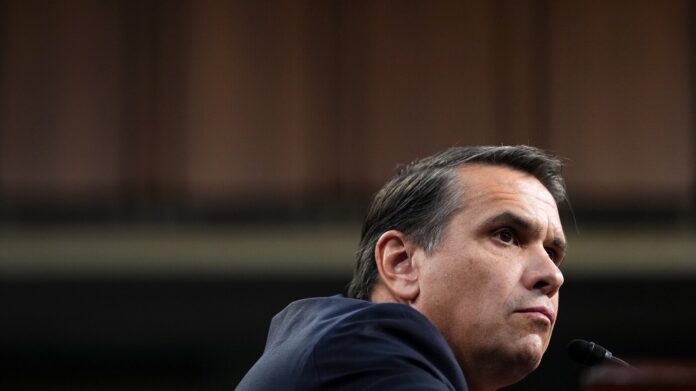
The hearing also spotlighted ongoing worries about Blanche’s close relationship with Trump. Before joining the Justice Department, Blanche served as Trump’s personal attorney in multiple criminal cases. This history has fueled Democratic concerns that Blanche may be working for Trump rather than the American people. The IRS settlement and efforts to prosecute political opponents like former FBI director James Comey have only intensified these suspicions.
Blanche attempted to distance himself from Trump’s actions, including the pardons issued for January 6 rioters, stating that his department was legally required to dismiss cases once the president issued pardons.
Transparency Issues in High-Profile Cases
The Justice Department’s handling of the Epstein files has also come under fire, with both parties criticizing the administration for missed deadlines, incomplete redactions, and a lack of transparency. Blanche defended the department’s record, claiming, “We have been extraordinarily transparent in not only producing the records but letting unredacted versions be available to anybody in this body.” However, senators noted that it took bipartisan legislation to force the release of documents, and Blanche ultimately took responsibility for the mistakes made in the process.
Conclusion
The controversy surrounding the anti-weaponization fund and the DOJ’s handling of sensitive cases highlights persistent concerns about President Trump’s influence over the Justice Department. As the Senate weighs Blanche’s confirmation as attorney general, questions remain about the department’s independence and its commitment to transparency and the rule of law.