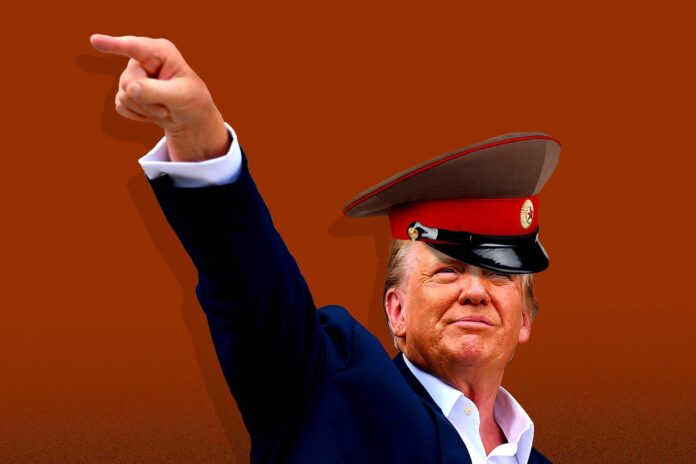

Rubio’s Absence From Iran Talks Highlights Stay-at-Home Role
Trump’s Diplomacy: Delegated Duties Spark Debate
In a recent development that has stirred discussions in political circles, former President Donald Trump appears to have outsourced significant portions of his diplomatic responsibilities to others, most notably placing a spotlight on Marco Rubio, who is balancing his second job as National Security Adviser. This shift in strategy has led to a mix of scrutiny and support, raising questions about the effectiveness and implications of such delegation.
Trump’s Statements Under the Microscope
Trump, known for his direct and often controversial statements, addressed his decision to delegate diplomatic tasks during a recent rally in Florida. “I’ve got the best people working on our world relationships, believe me, the best. Rubio is doing a fantastic job,” Trump proclaimed. However, his statements have faced criticism for lacking specific details about the nature of diplomacy handled by his team and the implications for U.S. foreign policy.
Fact-Checking Trump’s Claims
While Trump’s assertion that he has “the best people” might resonate with his supporters, experts have pointed out discrepancies. Richard Haass, President of the Council on Foreign Relations, commented, “Outsourcing diplomacy can lead to a lack of cohesive strategy, which is crucial for maintaining international relations.” Haass’s perspective highlights the potential risks of such an approach.
Additionally, the assertion that Rubio alone can manage dual roles effectively has been questioned. According to a report in The New York Times, managing dual significant roles could overwhelm even the most competent individuals, risking effectiveness in both positions.
Legal and Political Controversies
This strategic shift has not been without controversy. Critics argue that Trump’s delegation reflects an abdication of presidential responsibility, with some suggesting that it could breach protocols surrounding national security advisement. Legal analysts, including Neal Katyal, former Acting Solicitor General, have warned, “Delegation at this scale might infringe on critical security oversight, opening avenues for miscommunication and policy errors.”
Conclusion: A Strategic Gamble
The decision to delegate diplomatic duties to others, while allowing Rubio to simultaneously juggle the role of National Security Adviser, remains a bold move by Trump. It underscores his unconventional approach to leadership and governance. Nonetheless, as experts warn of the potential pitfalls, the situation continues to unfold under public and political scrutiny.
As the dynamics of global diplomacy evolve, the effectiveness of Trump’s strategy will likely remain a topic of debate, offering insight into the intricate balance of delegation and accountability in high-stakes governance.
Source: https://www.nytimes.com/2026/04/24/us/politics/marco-rubio-absence-iran-talks.html