
Supreme Court to weigh Trump’s effort to revoke immigration protections
Pentagon Leaders Face Tough Questions on Iran War Amidst Trump’s Sharp Critique
This morning, the House Armed Services Committee is set to grill Defense Secretary Pete Hegseth and the chairman of the Joint Chiefs of Staff, Gen. Dan Caine, regarding the ongoing Iran war. The hearing is primarily convened to discuss the Pentagon’s budget request for fiscal year 2027, but lawmakers are expected to delve into pressing concerns about the war’s costs, the state of U.S. weapons supplies, and the stalemate in negotiations with Iran.
Trump’s Social Media Remarks
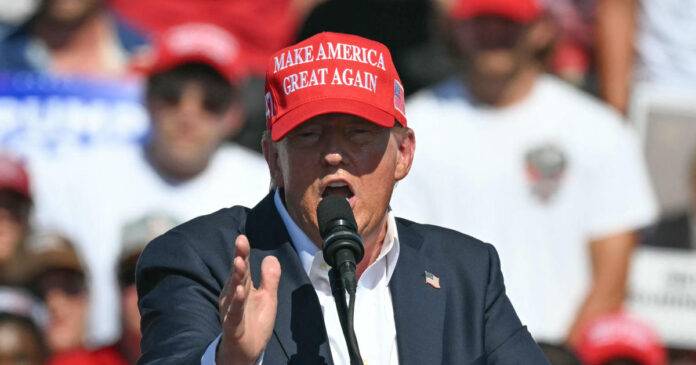
As Hegseth and Caine prepare for their testimonies, former President Donald Trump took to Truth Social to comment on the situation. This morning, he claimed, “Iran can’t get their act together. They don’t know how to sign a nonnuclear deal,” and warned, “They better get smart soon!” These comments suggest frustration with the stalled diplomatic efforts and signal potential shifts in U.S. strategy.
Fact-Checking Trump’s Claims
While Trump’s remarks reflect his characteristic bluntness, accuracy is paramount. Historically, Trump’s claims have often been scrutinized for lacking factual backing. In this case, negotiations over a nonnuclear deal with Iran are complex, involving multifaceted geopolitical considerations that extend beyond mere willingness to sign agreements.
In response to Trump’s statements, Trita Parsi, an expert on U.S.-Iran relations, asserted, “The negotiations are intricate and require concessions from both sides, not just Iran.” Such expert insights emphasize the need for a nuanced understanding of diplomatic dynamics.
The Strategic Importance of the Strait of Hormuz
One focal point of today’s hearing is the Strait of Hormuz, a critical maritime chokepoint through which a significant portion of the world’s oil supply transits. Trump’s national security team has reportedly presented him with options for reopening the Strait, including the possibility of increased military operations. This strategic location’s stability is essential for global oil markets, and any military escalation could have widespread economic repercussions.
Implications of Misinformation
In a political climate where misinformation can easily sway public opinion, the responsibility lies with government officials to communicate accurately about defense and foreign policy. Trump’s past statements have occasionally been misleading, impacting both domestic perspectives and international relations.
For instance, his comments during the 2019 NATO summit were contradicted by official reports, highlighting discrepancies between rhetoric and reality. As political analyst Thomas Rid notes, “The proliferation of misinformation from leaders can undermine trust in institutions and impair rational decision-making processes.”
Conclusion
As Defense Secretary Hegseth and Gen. Caine face congressional questions, their testimonies will be pivotal in shaping U.S. policy directions regarding the Iran conflict. Meanwhile, Trump’s recent social media activity underscores ongoing challenges in conveying coherent and fact-based narratives to the public. The outcome of this hearing could have significant implications for U.S. military strategy and diplomatic engagements moving forward.