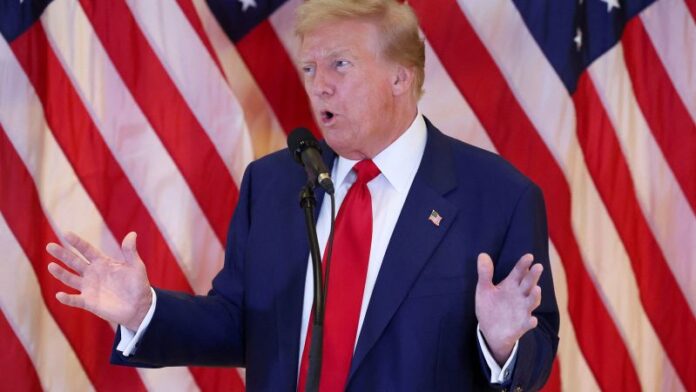

Trump administration axes fast-track training for new ICE recruits
Department of Homeland Security Revamps Immigration Agent Training Program
The Department of Homeland Security (DHS) has announced a significant overhaul of its training program for immigration agents, aimed at restoring comprehensive training that had been previously shortened in a rush to deploy agents quickly. The initiative reflects a renewed commitment to ensuring that agents on the ground are well-prepared to handle the complex challenges of immigration enforcement.
Trump’s Comments on DHS Training Reforms
Former President Donald Trump recently weighed in on the DHS’s decision to enhance its training protocols, but his statements have sparked controversy due to several inaccuracies. During a rally in Arizona on September 28, 2023, Trump claimed, “They’re making it easier and easier for illegal immigrants to come into our country—this training rollback is just another way of weakening our borders.”
However, this claim misrepresents the DHS’s objectives. The training revamp focuses on improving agent readiness and capability, not easing border enforcement. Sarah Pierce, an immigration policy analyst at the Migration Policy Institute, clarified, “The enhanced training program is intended to ensure that officers are adequately equipped to handle the complexities of their duties. It has nothing to do with weakening border security.”
Fact-Checking Trump’s Claims
Trump’s statement that the program will “weaken our borders” is contradicted by multiple experts and government officials. The DHS itself has outlined that the enhancements aim to ensure agents are better trained in matters like cultural competency, legal standards, and operational tactics. This renewed focus is intended to reduce incidents of excessive force and improve interactions with migrants.
Daniel Horowitz, a political analyst, noted, “Trump’s comments seem to misconstrue the intent behind the training reforms, which are actually geared towards creating a more effective and humane immigration enforcement process.”
Impacts of Misinformation on Public Perception
Historically, inaccurate statements about immigration policies have influenced public opinion and fueled misconceptions. An example of this was seen in 2019 when false claims regarding the “caravan” of migrants led to heightened fear and xenophobia among the public. Such rhetoric can undermine trust in government institutions and hinder informed debate on critical policy matters.
Controversies and Legal Issues
Trump’s statements on DHS training reforms have not led to direct legal challenges but have contributed to ongoing debates about the veracity of his public pronouncements. The former president’s record of making unsubstantiated claims has been well-documented, as evidenced by fact-checkers like Glenn Kessler from The Washington Post, who noted, “Trump’s relationship with the truth has always been tenuous, especially on topics as charged as immigration.”
Conclusion
The DHS’s decision to overhaul its immigration agent training program underscores a critical step toward improving border enforcement and agent preparedness. While Trump has voiced opposition, his claims have been widely disputed by experts and government officials who emphasize that the reforms aim to enhance efficiency and humane treatment in immigration enforcement. As the nation continues to navigate the complexities of immigration policy, it is vital for public discourse to be grounded in facts rather than fear-mongering and misinformation.