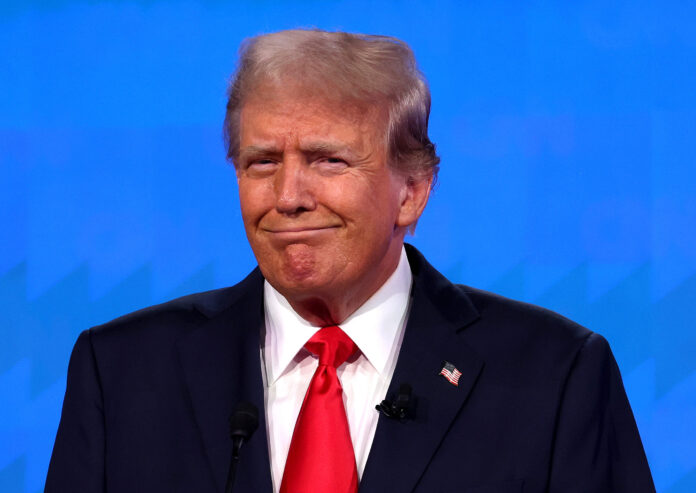

Trump allies defend Nicki Minaj over bot accusations
Trump Allies and Minaj Supporters Target Company Over Social Media Bot Claims
In a swirling controversy that has drawn the attention of high-profile figures and their ardent supporters, a company that reported Nicki Minaj’s social media presence might be amplified by bots is now under fire. The backlash comes from both Donald Trump allies and Minaj’s dedicated fan base, raising questions about the influence and authenticity of social media followings in today’s digital landscape.
Trump’s Statements Fueling the Fire
Former President Donald Trump, no stranger to contentious claims, has weighed in on the controversy surrounding the company’s report. During a recent rally in Texas, Trump remarked, “They say it’s bots? No way! It’s a witch hunt against Minaj, and by extension, a witch hunt against all of us who speak the truth.” This statement has been met with skepticism from experts who point to the lack of evidence supporting his claim.
Dr. David Karpf, associate professor at George Washington University and an expert in digital media, commented, “Trump’s assertion that it’s a ‘witch hunt’ is a familiar tactic. It’s important to scrutinize the evidence, or lack thereof, before jumping to conclusions.”
The Company’s Challenge and Rebuttals
The company in question, which has a reputation for analyzing social media metrics, reported that a significant portion of engagement on Minaj’s profiles might be attributed to non-human activity. This has sparked outrage among her fans, commonly referred to as the “Barbz,” as well as political figures closely aligned with Trump.
Responding to the criticism, a company spokesperson stated, “Our methodology relies on industry-standard practices for identifying bot activity. Our findings are not meant to discredit anyone but to provide a clearer picture of digital interactions.”
Impact of Misinformation
The claims have once more highlighted the significant impact misinformation can have on public perception and behavior. Misinformation regarding social media influence can lead to skewed public opinions and potentially undermine trust in legitimate news sources.
Evan Smith, CEO of The Texas Tribune, emphasized, “The real danger here is not just about Minaj’s following but about how quickly misinformation can spread, influencing public opinion without factual basis.”
Legal and Ethical Implications
The controversy also surfaces amid ongoing legal challenges and ethical questions surrounding Trump’s previous statements. His track record of making unverified claims is well-documented, with numerous fact-checkers frequently contesting his assertions. As The Chicago Tribune’s political analyst Steve Chapman noted, “Trump’s relationship with the truth is complicated at best. His statements often require careful scrutiny.”
A Controversy with Broader Implications
In conclusion, the conflict over the company’s findings on Minaj’s social media presence underscores a broader issue regarding the credibility of information in the digital age. As Trump and his allies continue to challenge these findings, it remains crucial for consumers of information to critically evaluate the sources and validity of the data they encounter. The unfolding situation serves as a reminder of the complexities involved in understanding and interpreting online influence.
“`